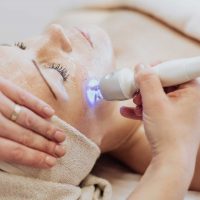

Microneedling costs between $200 and $700 per session on average, with most patients paying $300 to $500 for a standard treatment. According to CareCredit, the national average cost of a microneedling treatment is $954 when factoring in premium add-ons, though basic sessions start much lower. Most patients need 3 to 6 sessions spaced 4 to 6 weeks apart to see optimal results, which brings the total investment for a complete treatment series to roughly $600 to $4,200. Studies show that microneedling can increase collagen and elastin production by up to 400% within 6 months of treatment. In this article, you will learn what drives microneedling pricing, how it compares to other skin treatments, and how to get the best value from your sessions.
How Much Is a Full Face of Microneedling?
A full face of microneedling costs between $250 and $700 per session, depending on the device used, the provider’s experience, and your geographic location. According to RealSelf, the average patient-reported cost of professional microneedling is approximately $902 based on over 410 reviews. SkinPen microneedling, one of the most widely used FDA-cleared devices, averages around $630 per session.
The treatment area size directly affects the price. A full-face session covers the forehead, cheeks, nose, chin, and jawline, which takes more time and product than a targeted treatment on just one zone. Adding the neck to a full-face treatment typically adds $150 to $300, and adding the chest (decolletage) adds another $250 to $350. Many clinics offer bundled pricing when you treat the face and neck together.
Patients exploring what microneedling does for the skin will find that a full-face treatment addresses multiple concerns at once, including fine lines, uneven texture, enlarged pores, mild acne scarring, and dullness. It is one of the most versatile skin rejuvenation procedures available, and its ability to treat all skin tones safely makes it a standout option compared to many laser treatments.
How Much Is 3 Sessions of Microneedling?
3 sessions of microneedling cost between $600 and $2,100 when paying per session, though many clinics offer package pricing that reduces the total by 10% to 20%. A three-session package at $300 to $500 per session would cost $900 to $1,500 before any discount. This is the minimum number of sessions most providers recommend for noticeable, lasting results.
Clinical trials have found an average 50% improvement in acne scars after 3 to 4 microneedling sessions, according to data published in the Journal of Clinical and Aesthetic Dermatology. Patients treating fine lines, uneven skin tone, or general texture concerns also typically see meaningful improvement after 3 sessions, with results continuing to build as new collagen forms over the following months.
Most providers recommend spacing sessions 4 to 6 weeks apart. This allows the skin enough time to complete its healing cycle and produce new collagen before the next treatment stimulates another round of remodeling. The final results are not visible immediately because new collagen continues to be deposited for approximately 3 to 6 months after the last session, according to research published in the Indian Journal of Dermatology.
Is Microneedling Worth the Money?
Yes, microneedling is worth the money for patients who want to improve skin texture, reduce fine lines, minimize acne scarring, or address enlarged pores without the risks and downtime of more aggressive treatments. Research published in a comprehensive review in the journal Dermatologic Surgery confirms that microneedling is a safe and effective treatment for scars and wrinkles, with minimal side effects and shorter downtime compared to fractional laser treatments.
The science behind the value is strong. Histological studies have demonstrated that microneedling increases collagen and elastin deposition by up to 400% at 6 months after treatment. This means the results you pay for actually continue improving for months after your last session. A research article published in the Indian Journal of Dermatology also notes that the collagen remodeling triggered by microneedling can persist for 5 to 7 years in the form of type III collagen, which is responsible for skin strength and flexibility.
Compared to laser resurfacing, which can cost $1,000 to $3,000 per session and requires significant downtime, microneedling offers a comparable improvement in skin quality at a lower price point with far less recovery time. Most patients return to normal activities within 24 to 48 hours after a microneedling session. For patients who want visible skin improvement without aggressive intervention, microneedling delivers exceptional value per dollar.
How Long Does Microneedling Last For?
Microneedling results last for 6 to 12 months or longer after a complete series of treatments. The improvements come from new collagen and elastin that your body produces in response to the controlled micro-injuries created during treatment. This new collagen does not disappear overnight. It builds gradually over 3 to 6 months after your final session and then supports the skin for many months beyond that.
How long your specific results last depends on several factors: your age, your skin’s natural collagen production rate, sun exposure, skincare routine, and lifestyle habits like smoking and diet. Younger patients (under 40) who protect their skin from UV damage and use medical-grade skincare may see results last a full year or longer. Patients over 50 or those with significant sun damage may need maintenance treatments every 3 to 6 months to sustain their improvement.
Most providers recommend a maintenance session every 6 to 12 months after completing an initial treatment series. This keeps collagen production stimulated and prevents the skin from returning to its pre-treatment state. Patients who pair microneedling with other collagen-boosting treatments like chemical peels or peptide therapy often see longer-lasting improvements.
Is Microneedling Better Than Botox?
Microneedling is not better or worse than Botox because they treat completely different skin concerns. Microneedling improves skin texture, tone, pore size, scarring, and overall quality by stimulating collagen production. Botox relaxes the muscles that cause dynamic wrinkles like forehead lines, frown lines, and crow’s feet. They work through entirely different mechanisms and address different types of aging.
According to the ASPS, nearly 9.88 million neuromodulator treatments (Botox, Dysport, Xeomin) were performed in 2024, while skin resurfacing procedures (which include microneedling) totaled over 3.7 million. Both treatments are extremely popular because they fill different roles in a comprehensive anti-aging plan.
Many patients get the best results by using both. Botox prevents new expression lines from forming, while microneedling improves the overall quality, texture, and firmness of the skin. Botox works immediately on muscle-driven wrinkles, while microneedling delivers gradual, cumulative improvement in skin structure over weeks and months. A skilled provider can create a treatment plan that includes both for a comprehensive rejuvenation approach.
What Is the Downside of Microneedling?
The downside of microneedling is that it requires multiple sessions to see full results, involves temporary redness and downtime, and does not produce the same dramatic immediate effect as injectable fillers or surgical procedures. The most common side effects are redness, mild swelling, and skin sensitivity for 24 to 72 hours after treatment. These effects are part of the normal healing response and resolve on their own.
Less common risks include temporary dryness, flaking, minor bruising, and in rare cases, post-inflammatory hyperpigmentation. A comprehensive review published in Dermatologic Surgery found that permanent adverse events from microneedling are uncommon, and transient erythema (redness) is the most frequently reported side effect. The risk of complications increases significantly with at-home devices or unqualified practitioners, which is why professional, in-clinic treatment is always recommended.
The other consideration is that microneedling results are gradual, not instant. Unlike dermal fillers, which provide immediate volume, or Botox, which smooths wrinkles within days, microneedling requires patience. The real improvements emerge over weeks and months as collagen rebuilds beneath the skin’s surface. For patients who want immediate gratification, fillers or neurotoxins may be a better starting point.
What Age Is Best for Microneedling?
The best age for microneedling is typically in the mid-20s and beyond, depending on your specific skin concerns. There is no strict age requirement for microneedling, but it is most commonly sought by patients in their 30s to 50s who are dealing with early signs of aging, acne scarring, or uneven texture. Patients in their 20s can benefit from microneedling as a preventive measure, especially for acne scarring or texture issues that developed during adolescence.
For patients under 30, microneedling is most often used to treat acne scars, enlarged pores, or uneven skin tone rather than wrinkles. For patients in their 30s and 40s, microneedling becomes a powerful preventive and corrective tool that stimulates collagen at a time when the body’s natural production is declining. After age 30, the body loses approximately 1% of its collagen per year, according to research published in the American Journal of Clinical Dermatology. Microneedling directly counteracts this loss.
Patients over 50 can still see strong results, especially when microneedling is combined with other treatments. Radio frequency microneedling adds heat energy to the treatment, which provides additional skin tightening benefits that are especially valuable for more mature skin.
How Many Times a Year Should You Get Microneedling Done?
You should get microneedling done 2 to 4 times per year for maintenance after completing an initial treatment series of 3 to 6 sessions. The initial series is typically performed with sessions spaced 4 to 6 weeks apart. Once you have completed your initial course and achieved your desired results, maintenance treatments every 3 to 6 months help sustain those results long-term.
The exact number of annual treatments depends on your skin concerns and goals. Patients treating acne scars or significant texture issues may need more frequent sessions initially (every 4 weeks for 6 sessions), followed by quarterly maintenance. Patients using microneedling primarily for anti-aging and skin quality may only need 2 to 3 sessions per year to keep their results looking fresh.
Annual microneedling costs for maintenance typically fall between $400 and $2,100, depending on the number of sessions and per-session pricing. Many patients find this very manageable when spread across the year, especially when compared to the cumulative cost of daily high-end skincare products. For more detailed information on treatment frequency, how microneedling works explains the science behind treatment intervals and collagen production timelines.
Does Microneedling Age Your Skin?
No, microneedling does not age your skin. In fact, the opposite is true. Microneedling stimulates collagen and elastin production, which are the two proteins most responsible for keeping skin firm, smooth, and youthful. Research has consistently shown that microneedling promotes skin remodeling and rejuvenation, not deterioration.
This misconception may arise from the temporary redness and flaking that occur in the days immediately following treatment. These are signs that the healing process is active and that new, healthier skin is forming underneath. Within 5 to 7 days, the skin typically looks smoother, brighter, and more even-toned than it did before treatment.
A comprehensive review published in PMC (National Institutes of Health) confirms that microneedling induces skin remodeling by stimulating fibroblasts responsible for collagen and elastin production, resulting in thicker skin, improved texture, and reduced wrinkles. Far from aging the skin, microneedling is one of the most effective treatments available for slowing and reversing visible signs of aging.
What Is Better, Microdermabrasion or Microneedling?
Microneedling is better than microdermabrasion for most patients who want significant, lasting skin improvement. Microneedling penetrates deeper into the skin, stimulates collagen production, and effectively treats concerns like acne scars, moderate wrinkles, and skin laxity. Microdermabrasion only exfoliates the outermost layer of skin and is best suited for mild texture issues, dullness, and superficial discoloration.
In terms of cost, microdermabrasion is typically less expensive per session ($75 to $200) compared to microneedling ($200 to $700). However, microdermabrasion results are more superficial and shorter-lived, often requiring monthly sessions to maintain. Microneedling produces deeper structural changes that last 6 to 12 months, making it more cost-effective over time for patients seeking meaningful improvement.
A systematic review published in the Journal of Cutaneous and Aesthetic Surgery found that microneedling produces results comparable to fractional laser treatments for acne scars, with fewer side effects and less downtime. Microdermabrasion does not achieve this level of correction. For patients with only mild surface-level concerns, microdermabrasion may be sufficient. For anything beyond the superficial level, microneedling is the stronger choice.
Is 50 Too Old for Microneedling?
No, 50 is not too old for microneedling. Patients over 50 are actually among the best candidates for microneedling because their natural collagen production has declined significantly, and microneedling directly stimulates new collagen synthesis. The treatment is safe for all ages and all skin types, including darker skin tones that may not be candidates for certain laser treatments.
The ASPS 2024 statistics show that skin resurfacing procedures (a category that includes microneedling) grew 6% year-over-year, and the fastest-growing demographics include patients aged 40 to 69 who are seeking non-surgical ways to improve skin quality. Patients over 50 often see dramatic improvements in skin texture, firmness, and radiance after a full treatment series.
For more mature skin, combining standard microneedling with exosome microneedling or RF microneedling can amplify results. Exosomes deliver growth factors directly to the treated skin, enhancing the healing response, while RF energy adds a tightening effect that addresses skin laxity alongside texture improvement.
What Should You Not Do After Microneedling?
After microneedling, you should not apply makeup for at least 24 hours, use active skincare ingredients like retinoids, AHAs, or BHAs for 48 to 72 hours, expose your skin to direct sunlight without SPF 30+ sunscreen, exercise vigorously for 24 to 48 hours, or swim in pools, hot tubs, or natural bodies of water for at least 72 hours. These precautions protect the micro-channels in your skin while they heal and prevent irritation or infection.
You should also avoid touching your face unnecessarily, using harsh cleansers, and drinking alcohol for 24 hours after treatment. Stick to a gentle cleanser and a hydrating serum (hyaluronic acid is an excellent choice) for the first few days. Your provider will give you specific aftercare instructions based on your skin type and the depth of your treatment.
The micro-channels created during microneedling close within 12 to 24 hours, but the skin remains sensitive for 2 to 3 days. Applying sunscreen daily is critical during the recovery period because newly treated skin is more vulnerable to UV damage. Professional facials and other active treatments should be scheduled at least 1 to 2 weeks after your microneedling session.
Who Cannot Get Microneedling?
People who cannot get microneedling include pregnant or breastfeeding women, individuals with active acne or skin infections in the treatment area, patients taking blood-thinning medications like Accutane (isotretinoin), people with a history of keloid scarring, and those with certain autoimmune or immune-suppression conditions. Active cold sores, eczema, psoriasis, or rosacea in the treatment zone are also contraindications.
Patients who are on Accutane should wait at least 6 months after their last dose before considering microneedling, as the medication significantly thins the skin and impairs the healing response. Anyone with a bleeding disorder or who is taking anticoagulant medications should consult their physician before treatment.
A qualified provider will conduct a thorough skin assessment and review your medical history during your consultation to determine if microneedling is safe and appropriate for you. If microneedling is not recommended, alternatives like aqua facials, chemical peels, or BioRePeel may be suitable options for skin rejuvenation.
Microneedling Cost Comparison by Treatment Type
| Treatment Type | Cost Per Session | Sessions Needed | Total Series Cost | Results Duration |
|---|---|---|---|---|
| Standard Microneedling | $200 to $700 | 3 to 6 | $600 to $4,200 | 6 to 12 months |
| RF Microneedling | $600 to $2,400 | 3 to 4 | $1,800 to $9,600 | 12 to 18 months |
| PRP Microneedling | $500 to $1,500 | 3 to 4 | $1,500 to $6,000 | 6 to 12 months |
| Microdermabrasion | $75 to $200 | Monthly | $900 to $2,400/year | 2 to 4 weeks |
| Chemical Peel (Medium) | $150 to $400 | 3 to 6/year | $450 to $2,400/year | 1 to 3 months |
| Fractional Laser Resurfacing | $1,000 to $3,000 | 1 to 3 | $1,000 to $9,000 | 1 to 3 years |
Sources: CareCredit microneedling cost guide, RealSelf patient-reported data, American Society of Plastic Surgeons (2024), Thervo national pricing data
Does Insurance Cover Microneedling?
No, insurance does not cover microneedling. Microneedling is classified as a cosmetic procedure, and health insurance plans do not provide coverage for elective aesthetic treatments. The full cost of treatment is the patient’s responsibility.
Some clinics offer financing options through CareCredit or similar healthcare financing companies that allow you to spread the cost of treatment over several months. Package pricing and loyalty programs can also reduce the per-session cost. Seasonal promotions and new-patient specials are common at many medical spas, so it is always worth asking about available discounts when you schedule your consultation.
Is It Better To Go to a Dermatologist or Esthetician for Microneedling?
It is better to go to a provider whose qualifications match your specific skin concerns. Dermatologists and medical practitioners offer deeper, more aggressive microneedling treatments (1.5mm to 3.0mm depth) that are ideal for acne scarring, significant wrinkles, and medical-grade skin rejuvenation. Licensed estheticians at reputable medical spas perform microneedling at shallower depths (0.5mm to 1.5mm) that are well-suited for general texture improvement, pore refinement, and anti-aging maintenance.
Dermatologists and medical clinics tend to charge more per session ($600 to $1,500), while medical spas often offer competitive pricing ($200 to $600) with the same quality devices. The most important factor is not the title of the provider but their training, experience, and the quality of the device they use. FDA-cleared devices like SkinPen deliver consistent, safe results in the hands of any well-trained professional.
At a trusted medical spa, experienced practitioners perform microneedling with professional-grade equipment and follow strict sterile protocols. Microneedling treatments at a qualified practice deliver excellent results for most patients at a more accessible price point than a dermatology office.
Frequently Asked Questions
How Many Microneedling Sessions Do I Need for Acne Scars?
You need 3 to 6 microneedling sessions for acne scars, spaced 4 to 6 weeks apart. Clinical trials have found an average 50% improvement in acne scarring after 3 to 4 sessions, with some patients achieving up to 70% improvement, according to research published in the Journal of Clinical and Aesthetic Dermatology. The severity of your scars, the depth of penetration used, and whether you add PRP or other enhancers will determine how many sessions you need. Deeper, more severe scarring typically requires more sessions. Microneedling for enlarged pores typically requires fewer sessions, usually 3 to 4.
How Many Years Does Microneedling Take Off Your Face?
Microneedling can take several years off your face in terms of visible skin quality, though the exact number depends on your starting condition and the number of treatments you receive. Research shows that collagen and elastin deposition increases by up to 400% within 6 months of treatment, resulting in noticeably firmer, smoother, and more youthful skin. Many patients report looking 3 to 5 years younger after a full series of treatments, especially when microneedling is combined with a consistent skincare regimen and sun protection.
What Does Your Face Look Like 2 Days After Microneedling?
Your face looks red, slightly swollen, and may feel warm or tight 2 days after microneedling. This is similar to a moderate sunburn in appearance. The redness is a normal part of the healing process and indicates that your skin’s inflammatory response is active and collagen production is beginning. By day 3 to 5, most redness subsides and the skin begins to feel smoother. Some patients experience mild flaking or dryness as the treated skin turns over. By day 7, most people see a noticeable glow and improved texture.
Can You Combine Microneedling With Other Treatments?
Yes, you can combine microneedling with other treatments for enhanced results. Common pairings include microneedling with PRP (platelet-rich plasma), which accelerates healing and boosts collagen production, and microneedling followed by vitamin C or hyaluronic acid serums that penetrate more deeply through the micro-channels. RF microneedling adds radiofrequency energy for additional tightening. It is generally recommended to wait 1 to 2 weeks between microneedling and other active treatments like laser skin resurfacing or dermaplaning.
Is At-Home Microneedling Worth It?
At-home microneedling with a dermaroller ($25 to $40) is far less effective than professional in-office treatments and carries a higher risk of improper technique, infection, and skin damage. At-home devices use shorter needles (typically 0.1mm to 0.5mm) that only penetrate the superficial epidermis and cannot reach the deeper dermal layer where collagen is produced. Professional devices penetrate 0.5mm to 3.0mm and are calibrated to deliver consistent, controlled depth across the entire treatment area. For real, lasting skin improvement, professional microneedling is worth the investment.
Does Microneedling Help With Hyperpigmentation?
Yes, microneedling helps with hyperpigmentation by promoting skin cell turnover and enhancing the absorption of brightening agents like vitamin C. A comprehensive review in PMC found that microneedling is effective for treating melasma and other forms of discoloration, particularly in darker skin types where laser treatments carry a higher risk of causing additional pigmentation changes. Microneedling is considered one of the safest skin resurfacing options for patients with melanin-rich skin.
Final Thoughts
Microneedling is one of the most effective and versatile skin rejuvenation treatments available today. At $200 to $700 per session, it delivers measurable improvements in skin texture, firmness, tone, and scarring that last 6 to 12 months or longer. The science supports it: studies show up to 400% increases in collagen and elastin production, and systematic reviews confirm its safety and effectiveness for scars, wrinkles, and overall skin quality.
Whether you are dealing with acne scars, fine lines, enlarged pores, or just want healthier, more radiant skin, a series of 3 to 6 professional microneedling treatments can make a visible difference. Combining microneedling with treatments like skin tightening, Botox, or Juvederm fillers creates a comprehensive anti-aging plan that addresses both skin quality and structural volume.
If you are ready to find out how microneedling can transform your skin, Slimming Solutions Med Spa offers expert consultations with experienced practitioners who will assess your skin and build a customized treatment plan. Call (816) 524-3438 or request a consultation today to take the first step toward smoother, firmer, more youthful skin.
![[thumb]](https://slimmingsolutionsspa.com/wp-content/uploads/2023/12/botox1-150x150.png)
![[thumb]](https://slimmingsolutionsspa.com/wp-content/uploads/2023/12/Before2-150x150.png)
![[thumb]](https://slimmingsolutionsspa.com/wp-content/uploads/2023/12/Before3-150x150.png)


![[thumb]](https://slimmingsolutionsspa.com/wp-content/uploads/2023/12/revanesse-versa-1-150x150.png)
![[thumb]](https://slimmingsolutionsspa.com/wp-content/uploads/2023/12/revanesse-versa-2-150x150.png)
![[thumb]](https://slimmingsolutionsspa.com/wp-content/uploads/2023/12/revanesse-versa-3-150x150.png)
![[thumb]](https://slimmingsolutionsspa.com/wp-content/uploads/2023/12/revanesse-versa-4-150x150.png)
![[thumb]](https://slimmingsolutionsspa.com/wp-content/uploads/2023/12/revanesse-versa-5-150x150.png)
![[thumb]](https://slimmingsolutionsspa.com/wp-content/uploads/2024/01/Eyebrow-treatment-1-1-150x150.png)
![[thumb]](https://slimmingsolutionsspa.com/wp-content/uploads/2023/12/Skin-Rejuvenation-1-150x150.png)
![[thumb]](https://slimmingsolutionsspa.com/wp-content/uploads/2023/12/Skin-Rejuvenation-2-150x150.png)


![[thumb]](https://slimmingsolutionsspa.com/wp-content/uploads/2024/01/Lip-Filler-1-150x150.png)
![[thumb]](https://slimmingsolutionsspa.com/wp-content/uploads/2024/01/Lip-Filler-2-150x150.png)
![[thumb]](https://slimmingsolutionsspa.com/wp-content/uploads/2025/02/Lip-Filler-1-150x150.png)
![[thumb]](https://slimmingsolutionsspa.com/wp-content/uploads/2024/01/Lip-Filler-150x150.jpg)
![[thumb]](https://slimmingsolutionsspa.com/wp-content/uploads/2024/01/Before-1-150x150.jpg)

![[thumb]](https://slimmingsolutionsspa.com/wp-content/uploads/2024/01/RHA-Treatmetn-3-150x150.png)
![[thumb]](https://slimmingsolutionsspa.com/wp-content/uploads/2024/01/RHA-Treatmetn-2-150x150.png)
![[thumb]](https://slimmingsolutionsspa.com/wp-content/uploads/2024/01/RHA-Treatmetn-1-150x150.png)
![[thumb]](https://slimmingsolutionsspa.com/wp-content/uploads/2024/01/Thread-Lifts-1-150x150.png)
![[thumb]](https://slimmingsolutionsspa.com/wp-content/uploads/2024/01/Thread-Lifts-2-150x150.png)
![[thumb]](https://slimmingsolutionsspa.com/wp-content/uploads/2025/02/Lip-Filler-2-150x150.png)

![[thumb]](https://slimmingsolutionsspa.com/wp-content/uploads/2023/12/skin-reuvulation1-150x150.png)
![[thumb]](https://slimmingsolutionsspa.com/wp-content/uploads/2023/12/skin-rejuvulation-2-150x150.png)
![[thumb]](https://slimmingsolutionsspa.com/wp-content/uploads/2023/12/Skin-Tighting-150x150.png)
![[thumb]](https://slimmingsolutionsspa.com/wp-content/uploads/2023/12/Before-150x150.jpg)
![[thumb]](https://slimmingsolutionsspa.com/wp-content/uploads/2023/12/weightloss-1-150x150.png)
![[thumb]](https://slimmingsolutionsspa.com/wp-content/uploads/2023/12/weightloss-2-150x150.png)
![[thumb]](https://slimmingsolutionsspa.com/wp-content/uploads/2023/12/2Weight-Loss-2-150x150.png)
![[thumb]](https://slimmingsolutionsspa.com/wp-content/uploads/2025/02/Weight-Loss-1-new-150x150.png)
![[thumb]](https://slimmingsolutionsspa.com/wp-content/uploads/2023/12/Weight-Loss-3-150x150.png)
![[thumb]](https://slimmingsolutionsspa.com/wp-content/uploads/2025/03/Slimming-Solutions-BA-Template-150x150.png)


![[thumb]](https://slimmingsolutionsspa.com/wp-content/uploads/2023/12/dat3-150x150.png)
![[thumb]](https://slimmingsolutionsspa.com/wp-content/uploads/2023/12/dat-0-150x150.png)
![[thumb]](https://slimmingsolutionsspa.com/wp-content/uploads/2023/12/dat-1-150x150.png)
![[thumb]](https://slimmingsolutionsspa.com/wp-content/uploads/2023/12/Before-1-150x150.png)

![[thumb]](https://slimmingsolutionsspa.com/wp-content/uploads/2024/01/EMS-Treatment-2-150x150.png)
![[thumb]](https://slimmingsolutionsspa.com/wp-content/uploads/2024/01/EMS-Treatment-1-150x150.png)
![[thumb]](https://slimmingsolutionsspa.com/wp-content/uploads/2025/02/ems-BNA-front-150x150.png)
![[thumb]](https://slimmingsolutionsspa.com/wp-content/uploads/2025/02/EMS-bna-SIDE-150x150.png)
![[thumb]](https://slimmingsolutionsspa.com/wp-content/uploads/2024/01/EMS-Treatment-6-150x150.png)