
Dermal filler treatment costs between $500 and $1,500 per syringe in the United States, with the national average hovering around $715 for hyaluronic acid fillers and $901 for non-hyaluronic acid options like Radiesse and Sculptra, according to the American Society of Plastic Surgeons. The total cost of your treatment depends on the type of filler used, the number of syringes needed, the treatment area, your provider’s experience, and your geographic location. According to market research, the global dermal filler market was valued at $6.78 billion in 2024 and is projected to reach $12.79 billion by 2032, reflecting a massive increase in demand for non-surgical facial rejuvenation. This guide breaks down dermal filler costs by brand, treatment area, and number of syringes so you can plan your investment with confidence.
How Much Is Filler for Nasolabial Folds?
Filler for nasolabial folds typically costs between $600 and $1,500, depending on the brand, the number of syringes used, and the provider. Most patients need 1 to 2 syringes to treat both sides, making the average total treatment cost roughly $700 to $1,400. According to the ASPS, hyaluronic acid fillers like Juvederm and Restylane are the most commonly used products for smile lines and nasolabial folds.
The depth and severity of the folds play a major role in how many syringes you need. Mild lines may require just one syringe, while deeper folds often benefit from 2 syringes for a natural, smooth result. Some patients prefer collagen-stimulating fillers like Radiesse for nasolabial folds because the results can last 12 to 18 months, compared to 6 to 12 months for most HA fillers.
According to the ASPS 2024 Procedural Statistics Report, over 5.3 million HA filler procedures were performed in 2024, a 1% increase from the previous year. Nasolabial folds remain one of the top treatment areas, alongside lips, cheeks, and the jawline.
How Long Do Dermal Fillers Really Last?
Dermal fillers really last between 6 and 24 months, depending on the type of filler, the treatment area, and your individual metabolism. Hyaluronic acid fillers like Juvederm and Restylane typically last 6 to 18 months. Collagen-stimulating fillers like Radiesse last 12 to 18 months, and Sculptra can last up to 2 years or more.
Areas with a lot of movement, like the lips, tend to break down filler faster than more static areas like the cheeks or jawline. Your metabolism also matters. People with faster metabolisms tend to process fillers more quickly, while those with slower metabolisms often enjoy longer-lasting results.
Maintenance treatments are a normal part of the filler experience. Most patients return for touch-ups before their results fully fade to maintain a seamless, consistent look. Over time, regular maintenance can actually require fewer syringes per session because the collagen support built by previous treatments helps sustain volume. For a deeper look at longevity by product, this guide on how long dermal fillers last covers each brand in detail.
How Much Is 2 Syringes of Dermal Fillers?
Two syringes of dermal fillers cost between $1,000 and $3,000, depending on the brand and provider. For hyaluronic acid fillers, which average about $715 per syringe nationally, 2 syringes would run approximately $1,200 to $1,800. For premium products like Juvederm Voluma or Sculptra, the total for 2 syringes can reach $1,600 to $2,400.
Two syringes is a very common amount for a single treatment session. This quantity works well for treating one area like the cheeks (1 syringe per side) or for addressing multiple smaller areas like the nasolabial folds and marionette lines. Your provider will recommend the right number of syringes based on the degree of volume loss and your desired outcome.
According to data from CareCredit’s 2024 Aesthetic Cost Study, the national average cost per vial of dermal filler ranges from $868 to $1,323, depending on the product. Since some providers charge by the vial and others by the syringe, always clarify how your provider prices their treatments during your consultation.
Can Fillers Fix Sagging Cheeks?
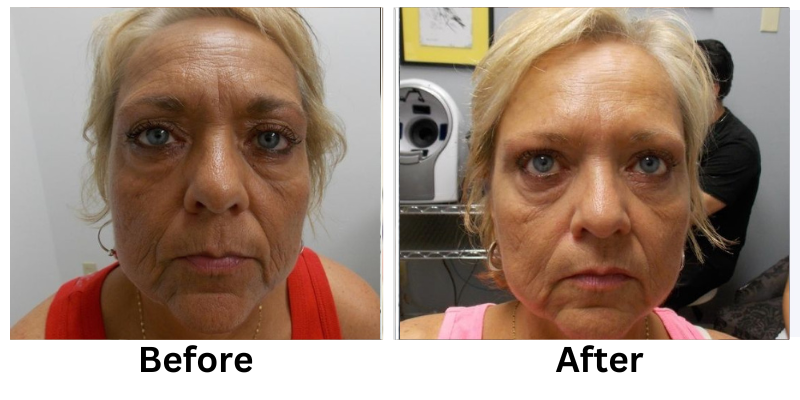
Yes, fillers can fix sagging cheeks by restoring the volume that has been lost due to aging, gravity, and collagen depletion. When filler is injected into the cheek area, it lifts the mid-face, fills in hollow areas, and creates a more defined, youthful contour. This lift can also reduce the appearance of nasolabial folds and jowls by supporting the tissue from above.
Cheek augmentation typically requires 2 to 4 syringes, depending on how much volume has been lost. Products like Juvederm Voluma and Sculptra are popular choices for the cheeks because they provide structural support and long-lasting results. According to industry data, a complete cheek enhancement treatment can range from $600 to $2,250.
Fillers are one of the most effective non-surgical solutions for sagging cheeks. While they do not replace the results of a surgical facelift, they can take years off your appearance with zero downtime and immediate results. Patients dealing with facial volume loss often start with cheek fillers as the foundation of their rejuvenation plan because the mid-face lift improves the entire lower face as well.
Is Botox or Fillers Better for Nasolabial Folds?
Fillers are better than Botox for nasolabial folds because these lines are caused by volume loss and skin laxity, not by muscle movement. Botox works by relaxing muscles that cause dynamic wrinkles like forehead lines and crow’s feet. Nasolabial folds are static wrinkles caused by the downward shift of cheek fat and collagen loss, which means they need volume replacement, not muscle relaxation.
Dermal fillers like Juvederm, Restylane, and Radiesse are specifically designed to add volume beneath the skin, filling in the fold and smoothing the transition between the cheek and the lip area. Results are immediate and last 6 to 18 months depending on the product.
That said, Botox and fillers work beautifully together when used in different areas of the face. Botox handles the upper face (forehead, frown lines, crow’s feet), while fillers address the mid and lower face (cheeks, nasolabial folds, lips, jawline). Combining both treatments in a single session is one of the most popular approaches in aesthetic medicine. The details on using Botox and fillers together explain how this combination works.
What Is the Most Natural-Looking Filler?
The most natural-looking filler is a hyaluronic acid filler like Restylane, Juvederm, or Revanesse Versa when injected by a skilled provider. HA fillers mimic a substance already found in your skin, so they integrate smoothly with your tissue and produce soft, natural results. The key to a natural look is not just the product but also the technique, dosage, and placement used by the injector.
Different HA fillers are formulated for different areas and purposes. Softer, thinner formulas are ideal for the lips and under-eye area, while thicker, more structured formulas provide better lift for the cheeks and jawline. An experienced injector selects the right product for each area and uses the right amount, which is essential for avoiding an overdone or “pillow face” appearance.
According to ASPS data, hyaluronic acid fillers accounted for the vast majority of filler procedures in 2024, with over 5.3 million treatments performed. Their popularity is driven by the fact that they look natural, provide immediate results, and can be dissolved with hyaluronidase if adjustments are needed.
How Painful Are Dermal Fillers?
Dermal fillers are not very painful for most patients. The sensation is commonly described as a brief pinch or mild pressure during injection. Most modern fillers contain lidocaine, a built-in local anesthetic that numbs the treatment area during the procedure. Providers may also apply a topical numbing cream before injection to further reduce discomfort.
The level of discomfort varies by treatment area. The lips tend to be the most sensitive because the tissue is thin and highly vascular. The cheeks, jawline, and nasolabial folds are generally more comfortable. Most filler treatments take 15 to 30 minutes, and any soreness after the injection typically resolves within a few hours to a day.
According to the ASPS, minimally invasive injectable treatments grew 3% in 2024, with injectables being favored for their short treatment times, minimal discomfort, and zero downtime. For patients who are nervous about pain, discussing numbing options with your provider beforehand can make the experience very comfortable.
Are Fillers Better Than Botox?
Fillers are not better or worse than Botox. They are different treatments that address different types of aging concerns. Fillers add volume to areas that have lost fullness, such as the cheeks, lips, nasolabial folds, and jawline. Botox relaxes muscles that cause dynamic wrinkles, such as forehead lines, frown lines, and crow’s feet.
The best approach for most patients is to use both. According to the ASPS 2024 data, nearly 9.9 million neuromodulator treatments and over 5.3 million HA filler procedures were performed in 2024. This shows that the vast majority of aesthetic patients benefit from a combination strategy rather than choosing one over the other.
During a consultation, your provider can evaluate your face and recommend which areas would benefit from Botox, which would benefit from fillers, and whether combining both in the same session would give you the best overall result. Patients exploring their options often start by learning about the best dermal fillers for wrinkles to understand which products work best for their specific concerns.
Is 60 Too Old for Fillers?
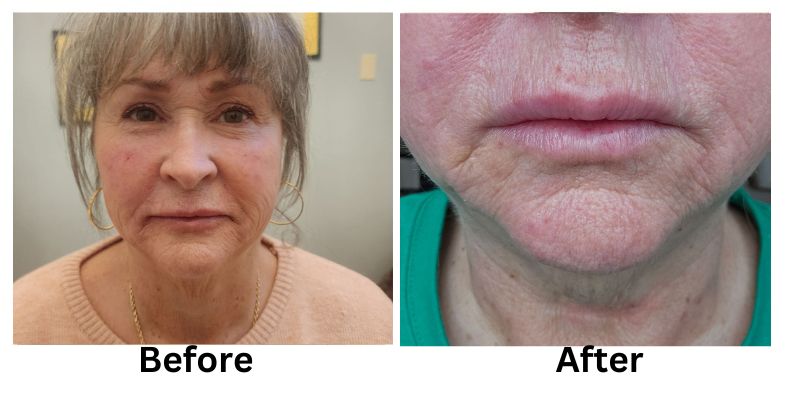
No, 60 is not too old for fillers. There is no upper age limit for dermal filler treatments. Many patients in their 60s, 70s, and even 80s benefit from fillers to restore lost volume, smooth deep wrinkles, and create a more youthful appearance without surgery.
According to ASPS data, patients aged 55 to 69 represent the second-largest demographic for cosmetic procedures. Older patients are excellent candidates for fillers, though the treatment approach is often adjusted. Providers typically use smaller amounts of product, focus on structural support rather than dramatic enhancement, and prioritize natural-looking results that match the patient’s overall facial proportions.
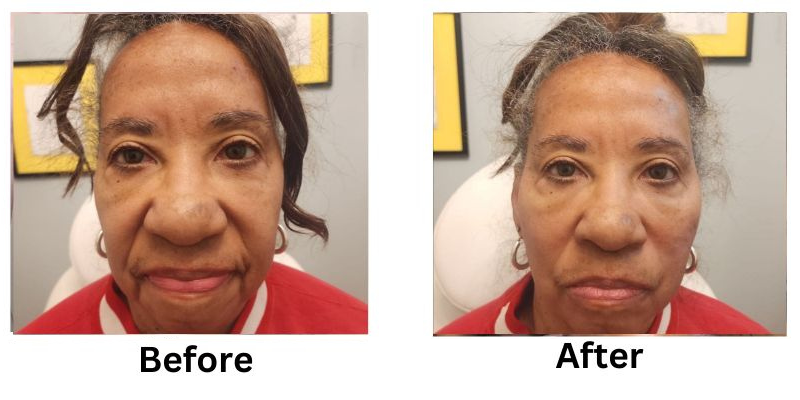
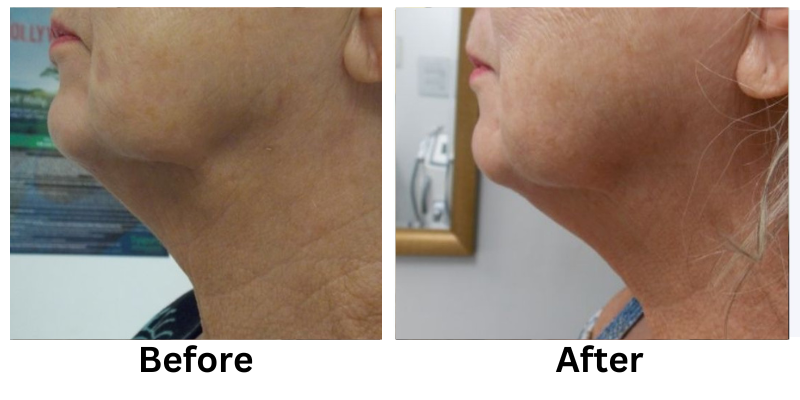
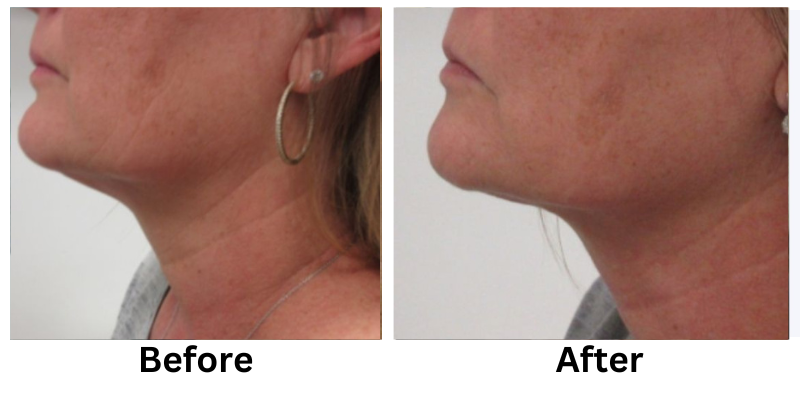
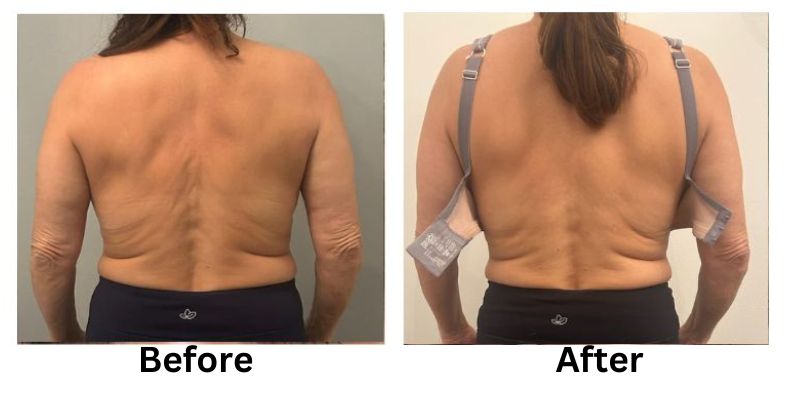
Fillers are one of the safest and most effective anti-aging treatments for mature patients because they are non-surgical, involve zero downtime, and produce immediate results. For patients who want to address lax skin and volume loss at the same time, combining fillers with skin tightening treatments creates a comprehensive approach that addresses aging from multiple angles.
Does Face Go Back to Normal After Fillers?
Yes, your face goes back to normal after fillers once the product is fully metabolized by your body. Hyaluronic acid fillers naturally break down over a period of 6 to 18 months, and your face gradually returns to its pre-treatment state. Fillers do not stretch the skin or cause your face to look worse than it did before treatment.
Some patients worry that stopping fillers will make them look older or cause their skin to sag. This is a common myth. Fillers simply add temporary volume. When the volume fades, your face returns to its natural baseline. In fact, collagen-stimulating fillers like Sculptra and Radiesse may leave you with slightly more collagen than you had before, which means some patients actually look a little better than their pre-treatment baseline even after the filler has worn off.
If you decide you want faster reversal of HA fillers, your provider can inject hyaluronidase, an enzyme that dissolves hyaluronic acid within 24 to 48 hours. This is one of the major advantages of HA fillers over non-HA options that cannot be dissolved.
What Fillers Lift Jowls?
The fillers that lift jowls are typically thicker, more structured products like Juvederm Voluma, Restylane Lyft, Radiesse, and Sculptra. These fillers are designed to provide lift and structural support in the mid-face and jawline area, which are the key areas that influence the appearance of jowls.
Jowls form when volume in the cheeks and mid-face diminishes, causing skin and tissue to sag downward along the jawline. The most effective filler approach for jowls is to restore volume to the cheeks first, which lifts the tissue upward and reduces the heaviness along the jaw. Additional filler can then be placed along the jawline itself to sharpen the contour.
This approach typically requires 2 to 4 syringes for the cheeks and 1 to 2 syringes for the jawline, bringing the total treatment cost to approximately $2,000 to $4,000 depending on the products used. For patients who want a non-surgical alternative to address jowling, this combination approach is one of the most effective options available. Those interested in a more comprehensive plan for sagging skin may also benefit from the best treatments for sagging jowls without surgery.
Which Filler Lasts the Longest for Nasolabial Folds?
The filler that lasts the longest for nasolabial folds is Radiesse, which typically provides results for 12 to 18 months. Sculptra can last even longer, up to 2 years, but requires multiple treatment sessions. Among hyaluronic acid fillers, Juvederm Vollure is one of the longest-lasting options for nasolabial folds, with results lasting up to 18 months.
Radiesse lasts longer because it uses calcium hydroxylapatite microspheres that provide immediate volume and stimulate your body to produce new collagen over time. As the filler is gradually absorbed, the new collagen takes its place, extending the life of the results. According to Sculptra clinical data, collagen production continues for several months after injection, which is why results can last 2 years or more.
The trade-off with longer-lasting fillers is that they typically cannot be dissolved if you are unhappy with the results. HA fillers offer a shorter duration but come with the safety net of reversibility. Your provider will help you weigh the pros and cons based on your goals and preferences.
Does Nasolabial Fold Filler Make You Look Younger?
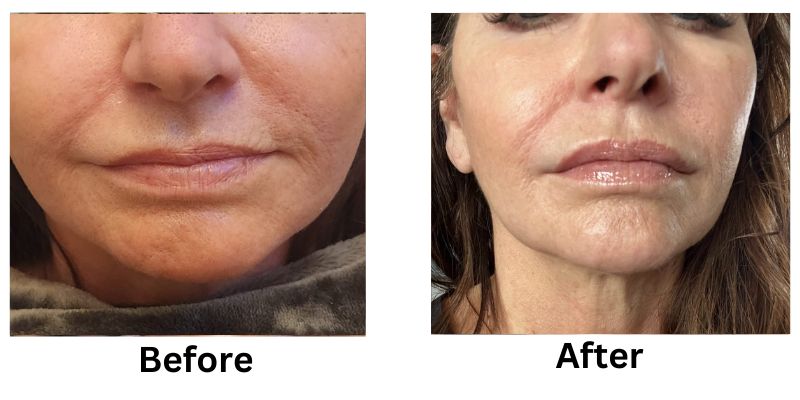
Yes, nasolabial fold filler makes you look younger by smoothing the deep lines that run from the nose to the corners of the mouth. These lines are one of the most visible signs of aging, and softening them creates a more rested, refreshed appearance that can take years off your face.
According to the ASPS, dermal fillers for the face are one of the top five minimally invasive cosmetic procedures performed in the United States. Nasolabial fold treatment is among the most commonly requested because the results are dramatic yet natural-looking, and the procedure takes only 15 to 30 minutes with zero downtime.
For the most youthful result, many providers recommend treating the nasolabial folds along with the cheeks. Restoring cheek volume lifts the tissue that creates the fold, while filler in the fold itself smooths the remaining crease. This combination creates a more comprehensive rejuvenation than treating the folds alone. Patients focused on reversing the signs of aging often combine fillers with skin tightening for maximum impact.
Dermal Filler Cost by Brand and Treatment Area
| Filler Brand | Avg Cost Per Syringe | Best For | How Long It Lasts |
|---|---|---|---|
| Juvederm Ultra/Ultra Plus | $600 to $800 | Lips, nasolabial folds | 6 to 12 months |
| Juvederm Voluma | $800 to $1,200 | Cheeks, mid-face lift | Up to 24 months |
| Restylane / Restylane Lyft | $650 to $900 | Cheeks, nasolabial folds, hands | 6 to 18 months |
| Radiesse | $750 to $1,000 | Nasolabial folds, jawline, hands | 12 to 18 months |
| Sculptra | $850 to $1,200 | Full-face volume, temples, cheeks | Up to 2+ years |
| Revanesse Versa | $550 to $750 | Lips, nasolabial folds, fine lines | 6 to 12 months |
| Belotero Balance | $600 to $800 | Fine lines, under-eye, lip lines | 6 to 12 months |
Sources: American Society of Plastic Surgeons 2024 Procedural Statistics Report, CareCredit 2024 Aesthetic Cost Study, FDA-approved product clinical data
What Is the Danger Zone of the Nasolabial Fold?
The danger zone of the nasolabial fold is the area near the angular artery and the branches of the facial artery that run along the nasolabial fold. Injecting filler into or near these blood vessels can cause vascular occlusion, a serious but rare complication where the filler blocks blood flow to the skin or, in extreme cases, to the eye.
This is why choosing a qualified, experienced injector is the most important decision you make when getting fillers. A provider who has thorough knowledge of facial anatomy can avoid these danger zones, use aspiration techniques to check for blood vessels before injecting, and respond quickly if any signs of vascular compromise appear.
According to an FDA advisory panel, adverse event reports related to dermal fillers have increased alongside the growth in procedures, but serious complications remain rare when treatments are performed by trained professionals. Always choose a provider who works in a medical setting and has the proper training and credentials to administer injectables safely.
Frequently Asked Questions
How Much Does a Full Face of Filler Cost?
A full face of filler costs between $2,000 and $6,000 or more, depending on the number of areas treated and the products used. A comprehensive treatment plan might include 2 to 3 syringes for the cheeks, 1 to 2 for the nasolabial folds, 1 for the lips, and 1 to 2 for the jawline, totaling 5 to 8 syringes. At an average of $700 to $1,000 per syringe, the total adds up quickly. Most providers offer package pricing for multiple syringes, which can reduce the per-syringe cost.
What Is the Riskiest Place for Fillers?
The riskiest places for fillers are the nose (non-surgical rhinoplasty), the glabella (between the eyebrows), and the nasolabial folds because these areas have major blood vessels close to the skin’s surface. Injecting filler into or near these vessels can cause vascular occlusion, which can lead to tissue damage or, in rare cases, vision loss. An experienced injector with deep knowledge of facial anatomy can minimize these risks significantly.
Is There a Downside to Dermal Fillers?
Yes, there is a downside to dermal fillers, including temporary swelling and bruising after injection, the need for repeat treatments to maintain results, the cost of ongoing maintenance, and the rare but possible risk of complications like infection, lumps, or vascular occlusion. These downsides are manageable when you choose a qualified provider and follow all aftercare instructions. The benefits, including immediate volume, zero downtime, and natural-looking rejuvenation, outweigh the downsides for the vast majority of patients.
At What Age Should You Stop Fillers?
There is no specific age at which you should stop fillers. The decision should be based on your health, your goals, and your provider’s recommendation. Many patients continue fillers into their 70s and beyond with excellent results. As you age, the approach may shift toward lighter doses and more conservative placement, but the treatment remains safe and effective at any adult age when performed by a qualified professional.
Where Is the Most Painful Place to Get Fillers?
The most painful place to get fillers is the lips because the tissue is thin, highly vascular, and rich in nerve endings. The under-eye area and the nose can also be more sensitive than other areas. However, most fillers contain lidocaine, and providers routinely apply topical numbing cream before treatment. The discomfort is brief and very manageable for the vast majority of patients. For more on lip filler aftercare, proper preparation and recovery steps can help minimize discomfort.
How Do Celebrities Get Rid of Nasolabial Folds?
Celebrities get rid of nasolabial folds using a combination of dermal fillers, Botox, and sometimes surgical procedures like facelifts. The most common non-surgical approach is injecting HA fillers directly into the folds and adding volume to the cheeks to create an overall lift. Many celebrities also use collagen-stimulating fillers like Sculptra for gradual, long-lasting improvement. Consistent skincare, professional facial treatments, and sun protection all contribute to maintaining smooth, youthful skin between injectable sessions.
Does Insurance Cover Dermal Fillers?
Insurance does not cover dermal fillers when they are used for cosmetic purposes. Fillers are considered an elective aesthetic treatment, and health insurance plans do not pay for elective cosmetic procedures. However, many providers offer financing options, payment plans, or membership programs that make filler treatments more accessible. Scheduling a consultation is the best way to get a personalized estimate and discuss payment options.
Final Thoughts
Dermal fillers are one of the most popular and effective non-surgical treatments for restoring volume, smoothing wrinkles, and creating a more youthful facial contour. The cost varies based on the type of filler, the number of syringes, the treatment area, and your provider’s expertise. On average, you can expect to invest $500 to $1,500 per syringe, with most treatments requiring 1 to 4 syringes depending on your goals.
The most important factor in your filler experience is not the price per syringe but the skill and experience of the person injecting it. A qualified provider selects the right product, uses the right amount, and places it in exactly the right location for safe, beautiful, natural-looking results. At Slimming Solutions Med Spa, experienced injectors offer a full range of dermal fillers including Juvederm, Restylane, Radiesse, Sculptra, Revanesse Versa, and Belotero Balance. Request a consultation today to find out which filler is right for you and get a personalized treatment plan and estimate
![[thumb]](https://slimmingsolutionsspa.com/wp-content/uploads/2023/12/botox1-150x150.png)
![[thumb]](https://slimmingsolutionsspa.com/wp-content/uploads/2023/12/Before2-150x150.png)
![[thumb]](https://slimmingsolutionsspa.com/wp-content/uploads/2023/12/Before3-150x150.png)
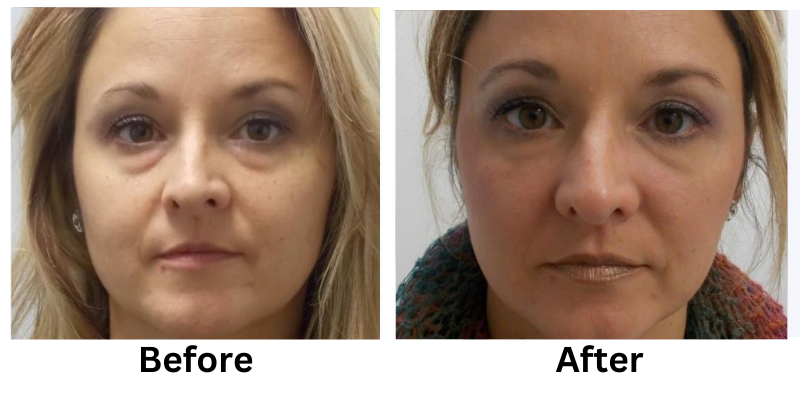
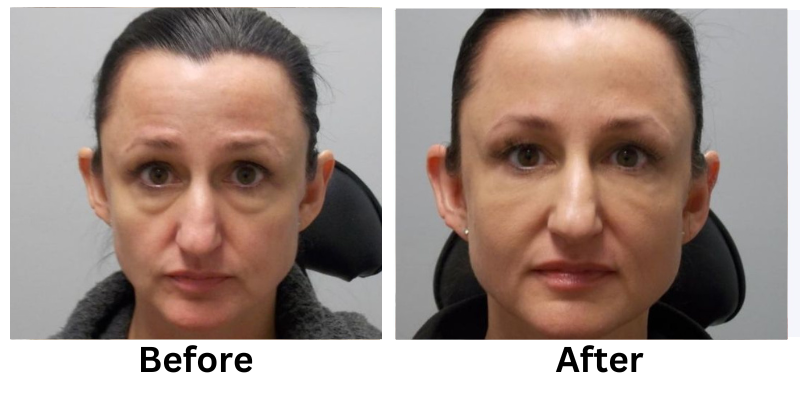
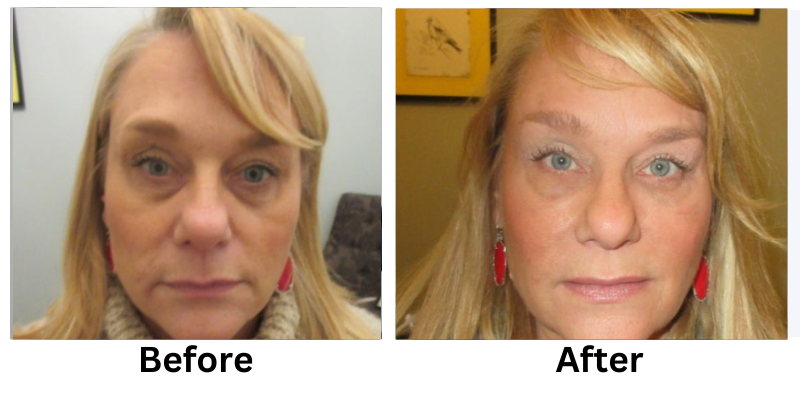


![[thumb]](https://slimmingsolutionsspa.com/wp-content/uploads/2023/12/revanesse-versa-1-150x150.png)
![[thumb]](https://slimmingsolutionsspa.com/wp-content/uploads/2023/12/revanesse-versa-2-150x150.png)
![[thumb]](https://slimmingsolutionsspa.com/wp-content/uploads/2023/12/revanesse-versa-3-150x150.png)
![[thumb]](https://slimmingsolutionsspa.com/wp-content/uploads/2023/12/revanesse-versa-4-150x150.png)
![[thumb]](https://slimmingsolutionsspa.com/wp-content/uploads/2023/12/revanesse-versa-5-150x150.png)
![[thumb]](https://slimmingsolutionsspa.com/wp-content/uploads/2024/01/Eyebrow-treatment-1-1-150x150.png)
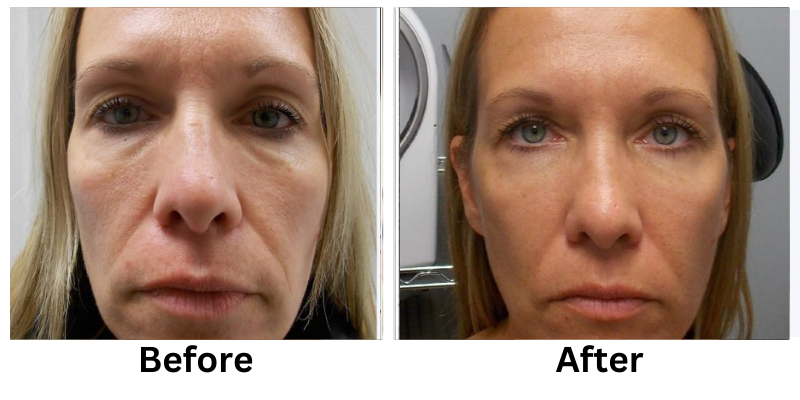
![[thumb]](https://slimmingsolutionsspa.com/wp-content/uploads/2023/12/Skin-Rejuvenation-1-150x150.png)
![[thumb]](https://slimmingsolutionsspa.com/wp-content/uploads/2023/12/Skin-Rejuvenation-2-150x150.png)


![[thumb]](https://slimmingsolutionsspa.com/wp-content/uploads/2024/01/Lip-Filler-1-150x150.png)
![[thumb]](https://slimmingsolutionsspa.com/wp-content/uploads/2024/01/Lip-Filler-2-150x150.png)
![[thumb]](https://slimmingsolutionsspa.com/wp-content/uploads/2025/02/Lip-Filler-1-150x150.png)
![[thumb]](https://slimmingsolutionsspa.com/wp-content/uploads/2024/01/Lip-Filler-150x150.jpg)
![[thumb]](https://slimmingsolutionsspa.com/wp-content/uploads/2024/01/Before-1-150x150.jpg)

![[thumb]](https://slimmingsolutionsspa.com/wp-content/uploads/2024/01/RHA-Treatmetn-3-150x150.png)
![[thumb]](https://slimmingsolutionsspa.com/wp-content/uploads/2024/01/RHA-Treatmetn-2-150x150.png)
![[thumb]](https://slimmingsolutionsspa.com/wp-content/uploads/2024/01/RHA-Treatmetn-1-150x150.png)
![[thumb]](https://slimmingsolutionsspa.com/wp-content/uploads/2024/01/Thread-Lifts-1-150x150.png)
![[thumb]](https://slimmingsolutionsspa.com/wp-content/uploads/2024/01/Thread-Lifts-2-150x150.png)
![[thumb]](https://slimmingsolutionsspa.com/wp-content/uploads/2025/02/Lip-Filler-2-150x150.png)

![[thumb]](https://slimmingsolutionsspa.com/wp-content/uploads/2023/12/skin-reuvulation1-150x150.png)
![[thumb]](https://slimmingsolutionsspa.com/wp-content/uploads/2023/12/skin-rejuvulation-2-150x150.png)
![[thumb]](https://slimmingsolutionsspa.com/wp-content/uploads/2023/12/Skin-Tighting-150x150.png)
![[thumb]](https://slimmingsolutionsspa.com/wp-content/uploads/2023/12/Before-150x150.jpg)
![[thumb]](https://slimmingsolutionsspa.com/wp-content/uploads/2023/12/weightloss-1-150x150.png)
![[thumb]](https://slimmingsolutionsspa.com/wp-content/uploads/2023/12/weightloss-2-150x150.png)
![[thumb]](https://slimmingsolutionsspa.com/wp-content/uploads/2023/12/2Weight-Loss-2-150x150.png)
![[thumb]](https://slimmingsolutionsspa.com/wp-content/uploads/2025/02/Weight-Loss-1-new-150x150.png)
![[thumb]](https://slimmingsolutionsspa.com/wp-content/uploads/2023/12/Weight-Loss-3-150x150.png)
![[thumb]](https://slimmingsolutionsspa.com/wp-content/uploads/2025/03/Slimming-Solutions-BA-Template-150x150.png)


![[thumb]](https://slimmingsolutionsspa.com/wp-content/uploads/2023/12/dat3-150x150.png)
![[thumb]](https://slimmingsolutionsspa.com/wp-content/uploads/2023/12/dat-0-150x150.png)
![[thumb]](https://slimmingsolutionsspa.com/wp-content/uploads/2023/12/dat-1-150x150.png)
![[thumb]](https://slimmingsolutionsspa.com/wp-content/uploads/2023/12/Before-1-150x150.png)

![[thumb]](https://slimmingsolutionsspa.com/wp-content/uploads/2024/01/EMS-Treatment-2-150x150.png)
![[thumb]](https://slimmingsolutionsspa.com/wp-content/uploads/2024/01/EMS-Treatment-1-150x150.png)
![[thumb]](https://slimmingsolutionsspa.com/wp-content/uploads/2025/02/ems-BNA-front-150x150.png)
![[thumb]](https://slimmingsolutionsspa.com/wp-content/uploads/2025/02/EMS-bna-SIDE-150x150.png)
![[thumb]](https://slimmingsolutionsspa.com/wp-content/uploads/2024/01/EMS-Treatment-6-150x150.png)