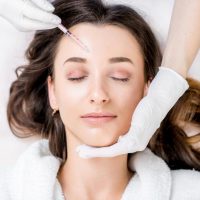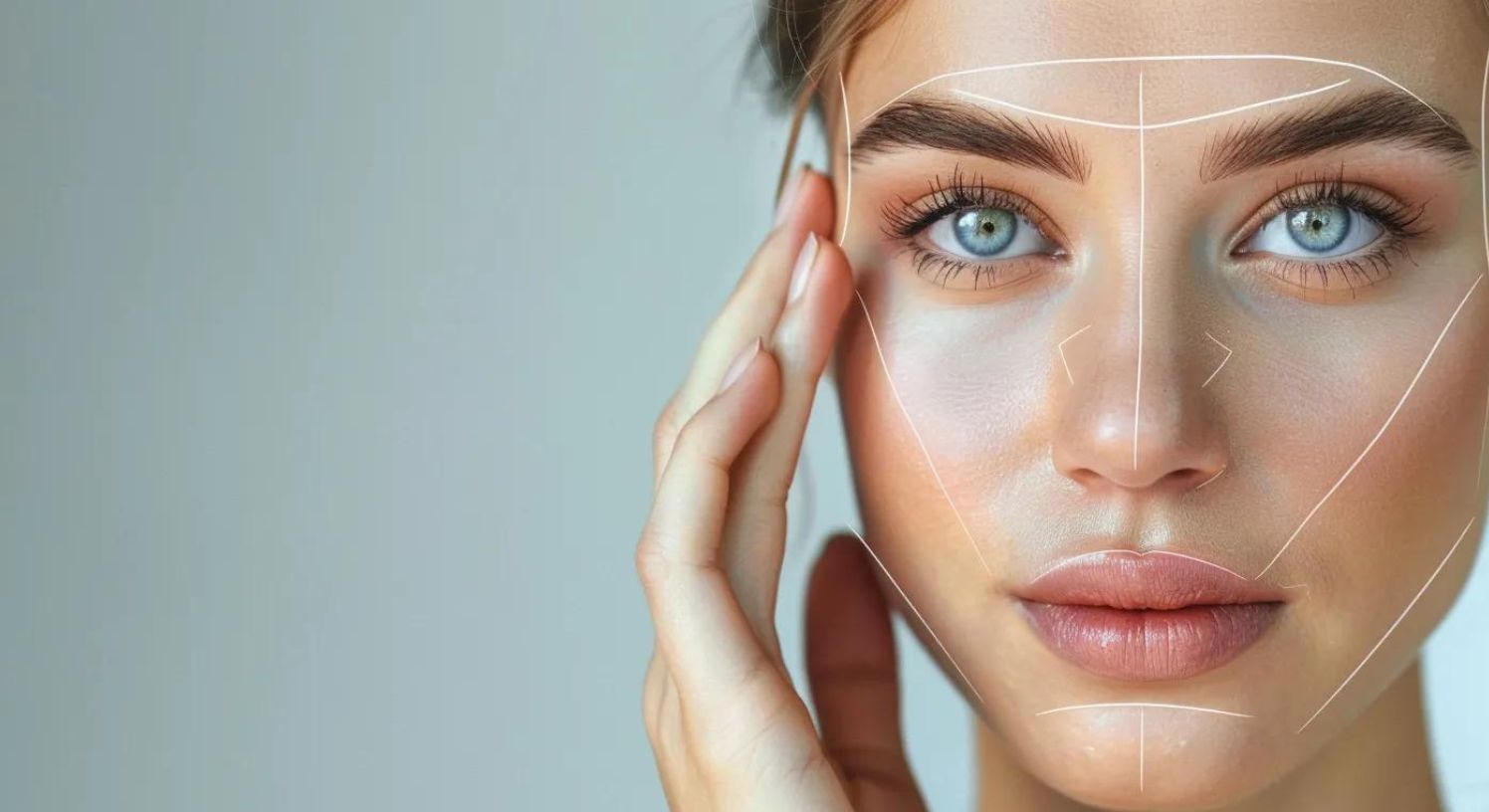
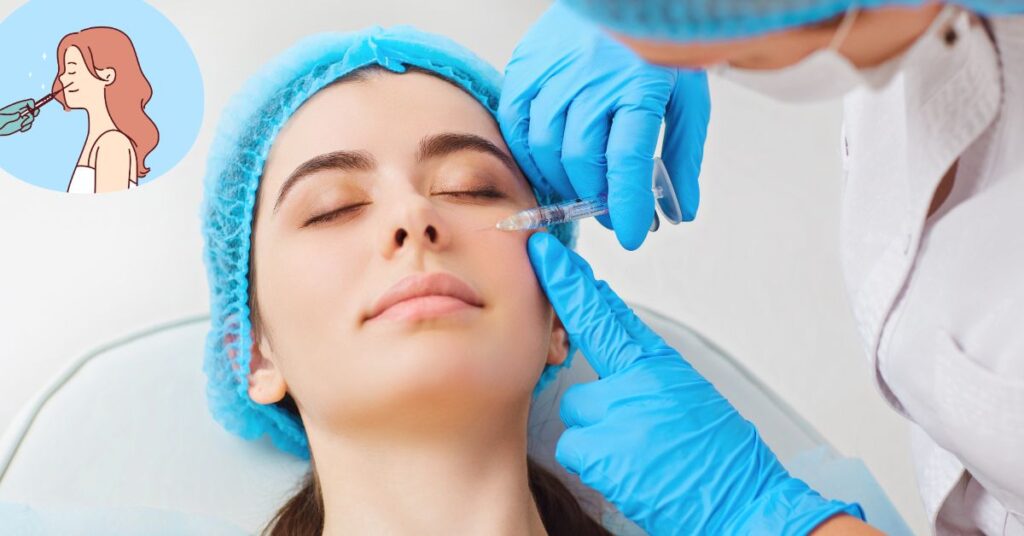
Botox takes 3 to 5 days to start working, with full results becoming visible between 10 and 14 days after injection. The treatment works by blocking nerve signals to the muscles that cause dynamic wrinkles like forehead lines, frown lines, and crow’s feet. This process is gradual, not instant, which is why results develop over the course of about two weeks. According to the American Society of Plastic Surgeons (ASPS), neuromodulator injections like Botox were the most popular minimally invasive cosmetic treatment in 2024, with 9,883,711 procedures performed, a 4% increase over the previous year. This guide covers the full Botox timeline day by day, explains what affects how fast it works, how long results last, and answers the most common questions people have about getting Botox.
How Long Does Botox Take to Work?
Botox takes about 3 to 5 days to start showing visible results, with the full effect typically settling in between 10 and 14 days. The neurotoxin works by blocking the release of acetylcholine, the chemical messenger that tells facial muscles to contract. Because this process involves nerve signaling, it does not happen instantly. Instead, muscle relaxation builds gradually as the medication binds to nerve endings and interrupts the communication between nerves and muscles.
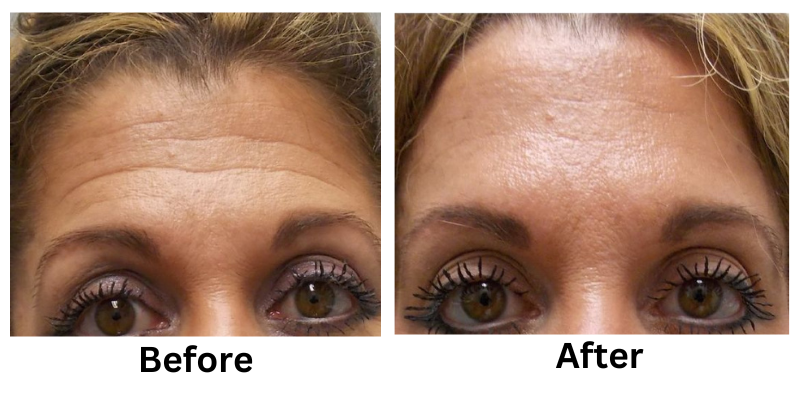
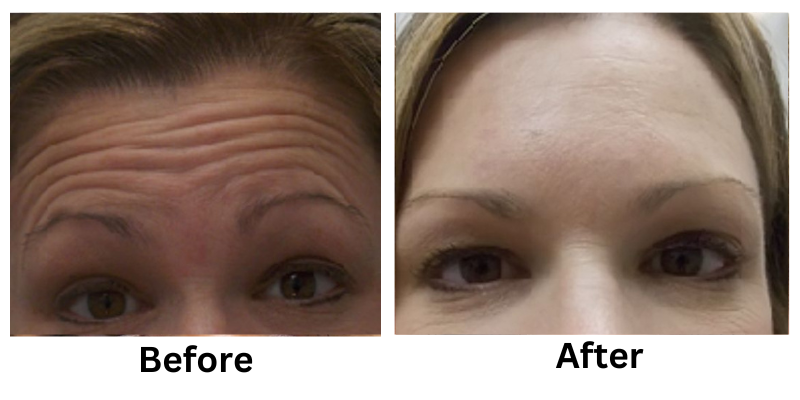
According to board-certified facial plastic surgeons, the finer the lines, the faster the results. Areas like crow’s feet around the eyes and fine forehead lines tend to show improvement earlier than deeper lines like the “11s” between the eyebrows. These deeper frown lines may take the full 14 days to fully smooth out because the underlying muscles are stronger and require more time to relax completely.
Botox gets a 95% user satisfaction rating on RealSelf, one of the highest ratings for any cosmetic treatment. That high satisfaction rate reflects how predictable and reliable Botox results are once the treatment has fully settled. If you are planning Botox for a special event, schedule your appointment at least 2 weeks before to allow the full results to develop.
What Are the First Signs of Botox Working?
The first signs of Botox working are a subtle tightness or heaviness in the treated area, a reduction in muscle movement when you try to make certain facial expressions, and a slight softening of fine lines. Most people notice these early changes between days 2 and 5 after their injection.
At this stage, the changes are often subtle enough that other people will not notice them yet. You may feel like it is slightly harder to frown, raise your eyebrows fully, or squint. This reduced movement is exactly what Botox is designed to do. It relaxes the muscles that create dynamic wrinkles, allowing the skin above to smooth out over the following days.
By days 7 to 10, the results become much more visible. Lines and wrinkles in the treated area appear noticeably softer, and the overall appearance of the face looks more refreshed and rested. Friends and family may comment that you look well-rested or younger without being able to identify exactly what changed. This natural-looking improvement is one of the biggest reasons Botox remains the most popular non-surgical cosmetic treatment in the world.
How Long Does Botox Last?
Botox lasts approximately 3 to 4 months for most people. After this period, muscle activity gradually returns, and the wrinkles and lines begin to reappear. Regular maintenance treatments every 3 to 4 months help keep the results consistent and can even train the muscles to require less product over time.
According to data from the ASPS, the number of Botox procedures has increased by 459% from 2000 to 2020, and it continued to grow through 2024. This sustained growth reflects the fact that repeat treatments are a routine part of the Botox experience for millions of patients.
Several factors affect how long Botox lasts for each individual. Younger patients with more skin elasticity may see results last longer. People with faster metabolisms tend to break down Botox more quickly. Lifestyle factors like smoking, sun exposure, and intense physical activity can also shorten the duration of results. Maintaining a consistent treatment schedule is the best way to maximize the longevity of your Botox results.
Does Botox Work Faster the Second Time?
Botox can work faster the second time because the targeted muscles are already partially weakened from the first treatment. When muscles have been relaxed by a previous round of Botox, they may respond more quickly to the next injection because they are starting from a weaker baseline.
With consistent treatments over a year or more, many patients find that their results last longer and settle faster with each session. The muscles gradually become “trained” to stay relaxed, which means you may need fewer units over time to achieve the same results.
However, every treatment is different, and individual factors like metabolism, stress levels, and lifestyle habits still play a role. Providers typically recommend waiting the full 14 days before judging any Botox treatment, whether it is your first or your tenth.
What Should You Not Do After Botox?
What you should not do after Botox includes lying down for at least 4 to 5 hours, rubbing or massaging the treated areas, exercising vigorously for 24 hours, drinking alcohol for 24 hours, taking hot showers or visiting saunas, and using blood-thinning medications like aspirin or ibuprofen unless prescribed by your doctor.
Lying down too soon after Botox can cause the product to migrate from the intended injection site to surrounding muscles, which can lead to uneven results or unwanted effects like a droopy eyelid. Staying upright allows the Botox to bind to the targeted nerve receptors without shifting.
Rubbing or pressing on the treated area can also push the Botox into unintended muscles. Vigorous exercise raises blood pressure and increases blood flow, which can cause bruising and potentially spread the product. Alcohol thins the blood and can increase bruising at the injection sites. Following these aftercare guidelines for the first 24 hours gives your Botox the best chance to settle properly and deliver optimal results.
How Does Botox Work?
Botox works by blocking the release of acetylcholine, a chemical neurotransmitter that signals facial muscles to contract. When Botox is injected into a targeted muscle, it binds to the nerve endings and prevents them from sending contraction signals. Without those signals, the muscle relaxes, and the wrinkles caused by repeated muscle movement gradually smooth out.
The active ingredient in Botox is botulinum toxin type A, a purified protein produced by the bacterium Clostridium botulinum. It was first used medically in the late 1970s to treat crossed eyes (strabismus), and the FDA approved it as a cosmetic treatment in 2002. Since then, it has become the gold standard for treating dynamic wrinkles, which are the lines that form from repeated facial expressions like frowning, squinting, and raising the eyebrows.
Botox does not fill wrinkles or add volume. It simply relaxes the muscles that cause them. This is why it is best suited for dynamic wrinkles rather than static wrinkles (lines that are visible even when your face is at rest). For static wrinkles and volume loss, dermal fillers are typically the better option. Many patients benefit from combining both treatments for a comprehensive rejuvenation. Knowing how Botox works helps set realistic expectations for your results.
What Is the Best Age to Start Botox?
The best age to start Botox depends more on your muscle activity and the appearance of your lines than on a specific number. Most providers see patients beginning Botox in their late 20s to early 30s for preventative purposes, while others start in their 40s or 50s to treat existing wrinkles.
According to industry data, approximately 24% of Botox patients are between the ages of 19 and 34. This growing segment is driven by the concept of “preventative Botox,” which involves treating muscles before deep wrinkles form. By relaxing the muscles early, you can slow down the development of lines over time.
The average age of a Botox patient is 43 years. Patients aged 40 to 54 accounted for the largest percentage of cosmetic procedures in 2024, according to the ASPS. However, there is no single “right” age. The decision should be based on when you start noticing lines that bother you and a conversation with a qualified provider about your goals. Learning more about the benefits of Botox can help you decide if the timing is right for you.
Can Botox Prevent Wrinkles if You Start Early?
Yes, Botox can prevent wrinkles if you start early because it stops the repetitive muscle movements that cause lines to form in the first place. When you repeatedly frown, squint, or raise your eyebrows, the skin creases in the same spots over and over. Eventually, those creases become permanent lines. Botox breaks this cycle by relaxing the muscles before the lines have a chance to etch deeply into the skin.
Preventative Botox has become one of the fastest-growing trends in aesthetic medicine, especially among millennials and Gen Z. According to ASPS data for 2024, neuromodulator injections like Botox were the most popular minimally invasive treatment across all younger age groups, with Gen Z embracing preventative skincare and subtle enhancements.
Starting Botox early does not mean you need large doses. Preventative treatments typically use fewer units than corrective treatments because the goal is to soften muscle activity, not freeze it completely. A provider experienced in cosmetic injectables can determine the right dose for your age, skin type, and facial anatomy.
How Many Units of Botox Do I Need?
The number of units of Botox you need depends on the treatment area, the strength of your facial muscles, and your desired results. Common dosage ranges are 10 to 30 units for the forehead, 20 to 25 units for the glabella (frown lines between the eyebrows), and 5 to 15 units per side for crow’s feet.
According to the ASPS, the average cost of neuromodulator injections was $466 per treatment in 2024. Since Botox is typically priced per unit, the total cost depends on how many units you need to achieve your goals. A first-time patient will often start with a conservative dose, and the provider may adjust the amount at a follow-up visit based on how the muscles respond.
Men typically need more Botox than women because male facial muscles are generally larger and stronger. People who have never had Botox before may also need slightly more product initially, though this often decreases with consistent treatments over time. Discussing your Botox costs and unit needs during a consultation helps you plan and budget for your treatment.
Is Botox Safe?
Yes, Botox is safe when administered by a qualified, trained provider using FDA-approved products. Botox has been FDA-approved for cosmetic use since 2002 and has been studied in thousands of clinical trials over more than four decades. It is one of the most researched and widely used cosmetic treatments in the world.
Common side effects include mild redness, swelling, or bruising at the injection sites, which typically resolve within a few hours to a few days. More serious side effects are rare but can include headache, eyelid drooping, or unintended muscle weakness. These are almost always temporary and are most commonly associated with improper injection technique or incorrect placement.
Choosing an experienced, qualified injector is the single most important factor in Botox safety. A skilled provider understands facial anatomy, knows exactly where and how much to inject, and can minimize the risk of side effects. The ASPS strongly recommends choosing a board-certified provider for any injectable treatment.
Botox vs. Xeomin: What Is the Difference?
The difference between Botox and Xeomin is in their formulation. Both are botulinum toxin type A products that work the same way, by blocking nerve signals to relax muscles. However, Xeomin is a “naked” neurotoxin, meaning it does not contain the extra proteins that surround the active ingredient in Botox. This makes Xeomin a purer formulation that some providers and patients prefer.
Both products produce similar results and have similar timelines. You can expect to see Xeomin start working within 3 to 5 days, with full results by 10 to 14 days, just like Botox. The duration of results is also comparable, lasting approximately 3 to 4 months for most patients.
Some patients who develop a tolerance to Botox over time may respond better to Xeomin because of its cleaner protein profile. Your provider can help you determine which neurotoxin is the best fit for your needs and goals. Comparing Botox vs. Xeomin in more detail can help you make an informed choice.
Can Botox and Fillers Be Used Together?
Yes, Botox and fillers can be used together, and many providers recommend combining them for the most comprehensive facial rejuvenation. Botox relaxes the muscles that cause dynamic wrinkles, while fillers add volume to areas that have lost fullness due to aging, such as the cheeks, lips, nasolabial folds, and under-eye hollows.
According to the ASPS, over 5.3 million hyaluronic acid filler procedures were performed in 2024 alongside the nearly 9.9 million neuromodulator treatments. This data shows that combining Botox and fillers is one of the most common approaches in aesthetic medicine.
When used together, Botox and fillers complement each other. Botox handles the upper face (forehead, frown lines, crow’s feet), while fillers address the mid and lower face (cheeks, lips, jawline). This “liquid facelift” approach delivers natural-looking rejuvenation without surgery. Learning about using Botox and fillers together is a great starting point for anyone considering a full facial refresh.
Botox Results Timeline: Day by Day
| Timeframe | What to Expect |
|---|---|
| Day 1 (Treatment Day) | Mild redness or swelling at injection sites. No visible wrinkle changes yet. Stay upright and avoid touching the treated area. |
| Days 2 to 3 | You may feel slight tightness or reduced muscle movement. Swelling and any bruising should begin to fade. Botox is binding to nerve receptors. |
| Days 3 to 5 | First visible signs of smoothing. Fine lines begin to soften. Muscle movement in treated areas starts to decrease noticeably. |
| Days 7 to 10 | Significant improvement visible. Forehead lines, frown lines, and crow’s feet appear noticeably smoother. Face looks more refreshed. |
| Day 14 | Full results are visible. This is the ideal time for a follow-up appointment to assess symmetry and determine if a touch-up is needed. |
| Weeks 3 to 4 | Botox has fully settled. Results look natural and stable. Treated areas appear smooth and relaxed. |
| Months 3 to 4 | Results begin to gradually fade as muscle activity slowly returns. Time to schedule your next maintenance appointment. |
Sources: American Society of Plastic Surgeons 2024 Procedural Statistics Report, Healthline, RealSelf, board-certified plastic surgeon clinical guidelines
Frequently Asked Questions
Does Botox Hurt?
Botox does not hurt significantly for most people. Most patients describe the sensation as a brief pinch or sting that lasts only a second per injection. The needles used for Botox are extremely fine, much thinner than those used for blood draws. Numbing cream can be applied before the treatment for patients who are more sensitive, though most people find it unnecessary. The entire procedure takes about 10 to 15 minutes.
How Often Should You Get Botox?
You should get Botox every 3 to 4 months to maintain your results. This timing aligns with the natural duration of the product’s effects. Waiting too long between treatments allows the muscles to fully regain their strength, which means you may need more units to achieve the same results. Consistent treatments can actually train the muscles to stay relaxed longer over time, potentially allowing you to extend the interval between appointments.
Can You See Botox Results in 2 Days?
You may see very subtle Botox results in 2 days, such as a slight reduction in muscle movement, but visible smoothing of wrinkles typically does not appear until days 3 to 5. Full results take 10 to 14 days to develop. If you do not see changes after 2 days, there is no cause for concern. The Botox is working behind the scenes, gradually binding to nerve endings and blocking muscle contractions.
What Makes Botox Kick In Faster?
Factors that make Botox kick in faster include the skill and technique of the injector, the dosage used, your individual metabolism, and whether you have had Botox before. Some providers recommend making facial expressions like frowning and squinting for a few hours after injection to help the Botox bind to the nerve receptors more quickly. However, every treatment follows its own timeline, and 14 days is always the recommended waiting period before assessing final results.
Is Preventative Botox Worth It?
Yes, preventative Botox is worth it for people who want to slow down the formation of wrinkles before they become deeply etched into the skin. By relaxing the muscles that cause dynamic wrinkles, preventative Botox keeps the skin smoother for longer. According to ASPS data, approximately 24% of Botox patients are aged 19 to 34, showing that younger adults are increasingly choosing early treatment to maintain a youthful appearance over time.
What Happens if You Stop Getting Botox?
If you stop getting Botox, your facial muscles will gradually return to their full activity, and the wrinkles that were being treated will reappear over a period of 3 to 4 months. Your face will not look worse than it did before you started. Botox does not accelerate aging or cause new wrinkles. It simply pauses the clock temporarily. When you stop, your skin continues aging at its natural pace.
Can Men Get Botox?
Yes, men can and do get Botox, and it is one of the fastest-growing segments of the cosmetic treatment market. According to industry data, approximately half a million men received neurotoxin injections in 2023. Men commonly get Botox for forehead lines, frown lines, crow’s feet, jaw slimming, and excessive sweating. The treatment approach for men often uses slightly higher unit counts because male facial muscles tend to be larger and stronger. Exploring the pros and cons of Botox can help anyone, regardless of gender, make a confident decision.
Final Thoughts
Botox is the most popular non-surgical cosmetic treatment in the world for a reason. It delivers predictable, natural-looking results with minimal downtime and a proven safety record spanning decades. The timeline is straightforward: expect to see early changes within 3 to 5 days and full results by day 14. From there, you can enjoy smoother, more refreshed skin for 3 to 4 months before scheduling your next maintenance appointment.
The key to great Botox results is choosing an experienced injector who understands facial anatomy and takes the time to customize your treatment to your goals. At Slimming Solutions Med Spa, skilled providers offer professional Botox and neurotoxin treatments in a comfortable, welcoming environment. Whether you are considering Botox for the first time or looking for a new provider, request a consultation today and take the first step toward a smoother, more confident you.
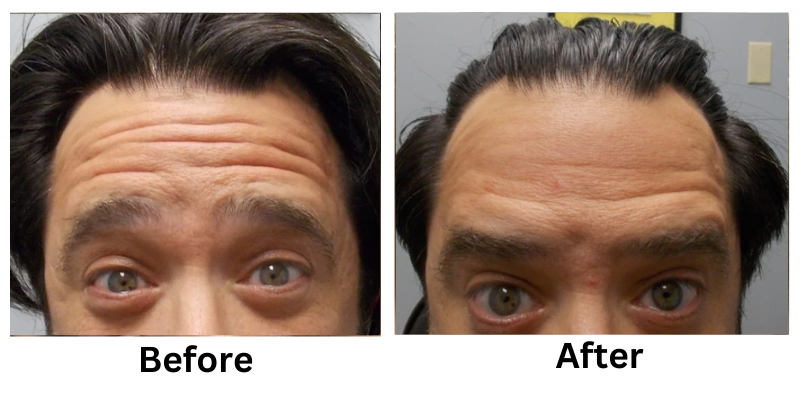
![[thumb]](https://slimmingsolutionsspa.com/wp-content/uploads/2023/12/botox1-150x150.png)
![[thumb]](https://slimmingsolutionsspa.com/wp-content/uploads/2023/12/Before2-150x150.png)
![[thumb]](https://slimmingsolutionsspa.com/wp-content/uploads/2023/12/Before3-150x150.png)
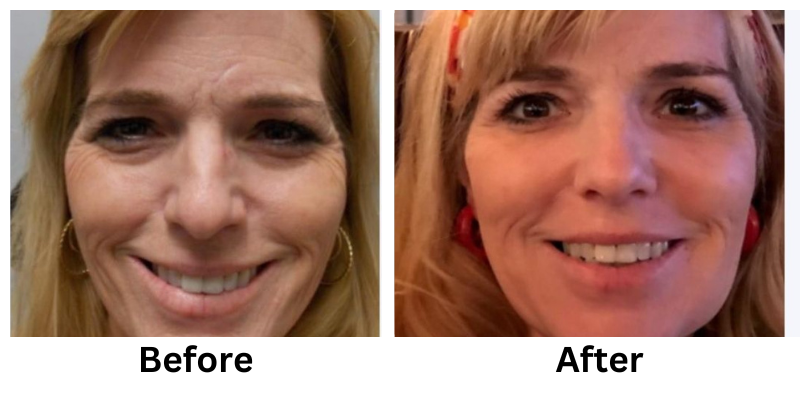
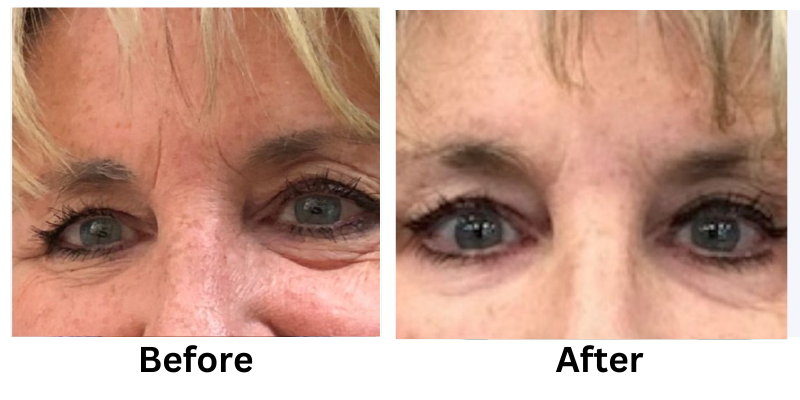
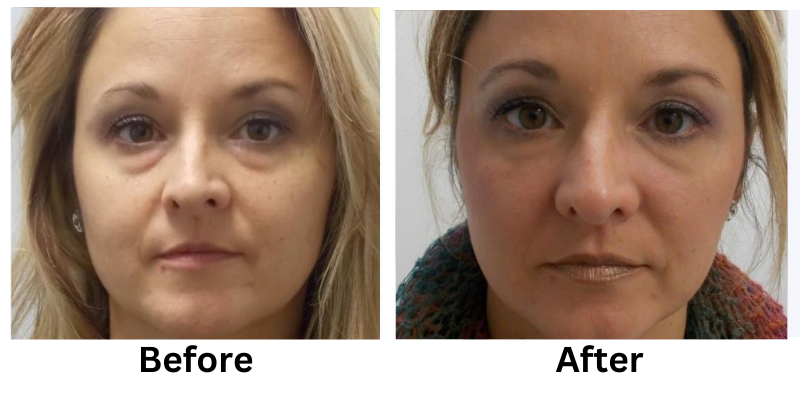


![[thumb]](https://slimmingsolutionsspa.com/wp-content/uploads/2023/12/revanesse-versa-1-150x150.png)
![[thumb]](https://slimmingsolutionsspa.com/wp-content/uploads/2023/12/revanesse-versa-2-150x150.png)
![[thumb]](https://slimmingsolutionsspa.com/wp-content/uploads/2023/12/revanesse-versa-3-150x150.png)
![[thumb]](https://slimmingsolutionsspa.com/wp-content/uploads/2023/12/revanesse-versa-4-150x150.png)
![[thumb]](https://slimmingsolutionsspa.com/wp-content/uploads/2023/12/revanesse-versa-5-150x150.png)
![[thumb]](https://slimmingsolutionsspa.com/wp-content/uploads/2024/01/Eyebrow-treatment-1-1-150x150.png)
![[thumb]](https://slimmingsolutionsspa.com/wp-content/uploads/2023/12/Skin-Rejuvenation-1-150x150.png)
![[thumb]](https://slimmingsolutionsspa.com/wp-content/uploads/2023/12/Skin-Rejuvenation-2-150x150.png)


![[thumb]](https://slimmingsolutionsspa.com/wp-content/uploads/2024/01/Lip-Filler-1-150x150.png)
![[thumb]](https://slimmingsolutionsspa.com/wp-content/uploads/2024/01/Lip-Filler-2-150x150.png)
![[thumb]](https://slimmingsolutionsspa.com/wp-content/uploads/2025/02/Lip-Filler-1-150x150.png)
![[thumb]](https://slimmingsolutionsspa.com/wp-content/uploads/2024/01/Lip-Filler-150x150.jpg)
![[thumb]](https://slimmingsolutionsspa.com/wp-content/uploads/2024/01/Before-1-150x150.jpg)

![[thumb]](https://slimmingsolutionsspa.com/wp-content/uploads/2024/01/RHA-Treatmetn-3-150x150.png)
![[thumb]](https://slimmingsolutionsspa.com/wp-content/uploads/2024/01/RHA-Treatmetn-2-150x150.png)
![[thumb]](https://slimmingsolutionsspa.com/wp-content/uploads/2024/01/RHA-Treatmetn-1-150x150.png)
![[thumb]](https://slimmingsolutionsspa.com/wp-content/uploads/2024/01/Thread-Lifts-1-150x150.png)
![[thumb]](https://slimmingsolutionsspa.com/wp-content/uploads/2024/01/Thread-Lifts-2-150x150.png)
![[thumb]](https://slimmingsolutionsspa.com/wp-content/uploads/2025/02/Lip-Filler-2-150x150.png)

![[thumb]](https://slimmingsolutionsspa.com/wp-content/uploads/2023/12/skin-reuvulation1-150x150.png)
![[thumb]](https://slimmingsolutionsspa.com/wp-content/uploads/2023/12/skin-rejuvulation-2-150x150.png)
![[thumb]](https://slimmingsolutionsspa.com/wp-content/uploads/2023/12/Skin-Tighting-150x150.png)
![[thumb]](https://slimmingsolutionsspa.com/wp-content/uploads/2023/12/Before-150x150.jpg)
![[thumb]](https://slimmingsolutionsspa.com/wp-content/uploads/2023/12/weightloss-1-150x150.png)
![[thumb]](https://slimmingsolutionsspa.com/wp-content/uploads/2023/12/weightloss-2-150x150.png)
![[thumb]](https://slimmingsolutionsspa.com/wp-content/uploads/2023/12/2Weight-Loss-2-150x150.png)
![[thumb]](https://slimmingsolutionsspa.com/wp-content/uploads/2025/02/Weight-Loss-1-new-150x150.png)
![[thumb]](https://slimmingsolutionsspa.com/wp-content/uploads/2023/12/Weight-Loss-3-150x150.png)
![[thumb]](https://slimmingsolutionsspa.com/wp-content/uploads/2025/03/Slimming-Solutions-BA-Template-150x150.png)


![[thumb]](https://slimmingsolutionsspa.com/wp-content/uploads/2023/12/dat3-150x150.png)
![[thumb]](https://slimmingsolutionsspa.com/wp-content/uploads/2023/12/dat-0-150x150.png)
![[thumb]](https://slimmingsolutionsspa.com/wp-content/uploads/2023/12/dat-1-150x150.png)
![[thumb]](https://slimmingsolutionsspa.com/wp-content/uploads/2023/12/Before-1-150x150.png)

![[thumb]](https://slimmingsolutionsspa.com/wp-content/uploads/2024/01/EMS-Treatment-2-150x150.png)
![[thumb]](https://slimmingsolutionsspa.com/wp-content/uploads/2024/01/EMS-Treatment-1-150x150.png)
![[thumb]](https://slimmingsolutionsspa.com/wp-content/uploads/2025/02/ems-BNA-front-150x150.png)
![[thumb]](https://slimmingsolutionsspa.com/wp-content/uploads/2025/02/EMS-bna-SIDE-150x150.png)
![[thumb]](https://slimmingsolutionsspa.com/wp-content/uploads/2024/01/EMS-Treatment-6-150x150.png)