
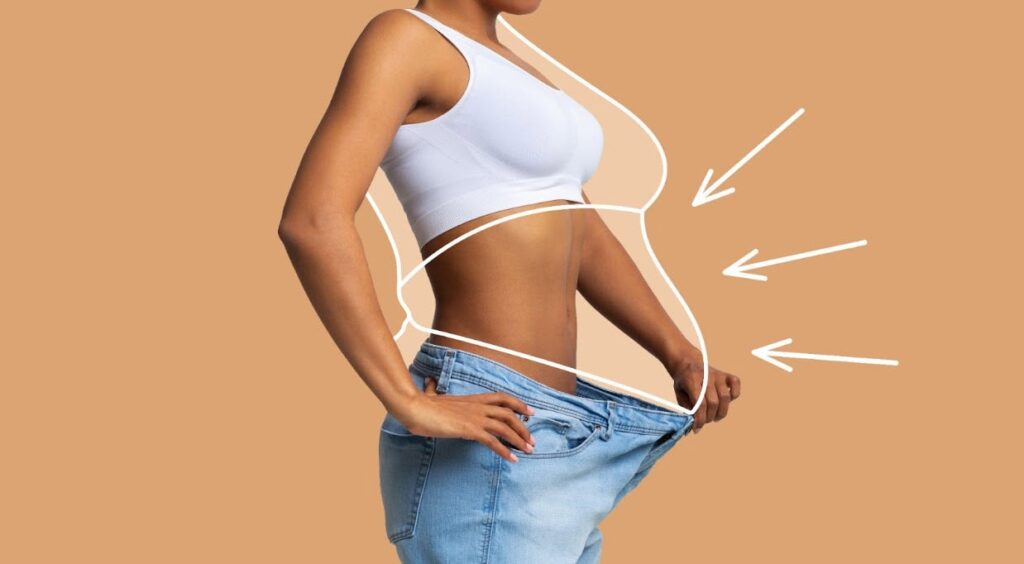
Weight loss on tirzepatide happens gradually over several months. Most people start seeing results within the first four weeks, losing 2 to 5 pounds during the initial low-dose period. By month three, average weight loss reaches 5 to 8 percent of body weight. By month six, most people have lost 12 to 15 percent of their starting weight. Peak weight loss typically occurs around 12 months, with average total loss reaching 20 to 22 percent of body weight. The medication starts at a low dose and increases slowly over 16 to 20 weeks, so early weight loss is modest but accelerates as the dose increases.
This article breaks down the tirzepatide weight loss timeline week by week, what to expect at different stages, and factors that influence how quickly you’ll see results.
What Is Tirzepatide Weight Loss Timeline?
The tirzepatide weight loss timeline spans approximately 12 to 18 months for maximum results. Weight loss starts within the first month but continues steadily throughout the first year as your body responds to increasing doses.
Weeks 1 to 4 involve the starting dose of 2.5 mg. Most people lose 2 to 5 pounds during this period. The focus is on adjusting to the medication and minimizing side effects rather than dramatic weight loss.
Weeks 5 to 8 increase to 5 mg. Weight loss picks up slightly, with most people losing another 4 to 8 pounds. Appetite reduction becomes more noticeable at this dose.
Weeks 9 to 12 move to 7.5 mg. By the end of month three, average weight loss reaches 5 to 8 percent of starting body weight. For someone weighing 200 pounds, that’s 10 to 16 pounds.
Weeks 13 to 16 increase to 10 mg. Weight loss accelerates as the therapeutic dose takes effect. Most people lose 2 to 4 pounds per week during this phase.
According to research published in The New England Journal of Medicine, participants in tirzepatide clinical trials experienced consistent weight loss through month 12, with some continued loss through month 18.
Weeks 17 to 20 reach the maximum dose of 15 mg for most people. Not everyone needs this highest dose. Some people achieve their goals at 10 mg or 12.5 mg and stay there.
Months 6 to 12 represent the period of maximum weight loss. Most people lose 15 to 20 percent of their body weight during this timeframe. The rate slows as you approach your body’s new set point.
Months 12 to 18 involve maintenance and possible plateau. Weight loss may slow or stop as your body adjusts. Some people continue losing weight gradually, others maintain their new weight.
What Are Tirzepatide Results Week by Week?
Week-by-week results vary individually, but clinical data provides general patterns. Understanding typical progression helps set realistic expectations.
Weeks 1-2: Most people notice reduced appetite and feel full sooner when eating. The scale might show 1 to 2 pounds of loss. Some people experience mild nausea or digestive changes as their body adjusts.
Weeks 3-4: Weight loss continues at 1 to 2 pounds per week. You’re adapting to the medication, and side effects typically decrease. Total loss by week 4 is usually 3 to 5 pounds.
Weeks 5-8: Dose increases to 5 mg. Appetite suppression becomes more noticeable. Weight loss may accelerate to 2 to 3 pounds per week. By week 8, total loss averages 8 to 12 pounds.
Weeks 9-12: Moving to 7.5 mg, weight loss remains consistent. You’re developing new eating patterns and learning to recognize fullness signals. Total loss by week 12 typically reaches 12 to 18 pounds for someone starting at 200 pounds.
Weeks 13-16: At 10 mg, many people enter a phase of accelerated weight loss. The combination of therapeutic dose and established healthy habits produces 2 to 4 pounds of loss per week. Total loss by week 16 averages 18 to 25 pounds.
According to data from the SURMOUNT clinical trial program, participants showed consistent weekly weight loss throughout the dose escalation period, with slight plateaus when adjusting to new doses.
Weeks 17-24: Maximum therapeutic dose is reached. Weight loss continues steadily at 1 to 3 pounds per week. By week 24 (6 months), average total loss is 15 to 18 percent of starting body weight, or 30 to 36 pounds for someone starting at 200 pounds.
Weeks 25-52: Weight loss slows but continues. Most people lose another 5 to 10 percent of their starting weight during this period. By week 52 (1 year), average total loss reaches 20 to 22 percent, or 40 to 44 pounds for someone starting at 200 pounds.
Individual results vary based on starting weight, adherence to medication and lifestyle changes, metabolism, and other health factors. These numbers represent averages from clinical trials.
Interested in starting a medical weight loss program? Schedule a consultation and we’ll walk you through what to expect.
How Long to See Results on Tirzepatide?
Most people see initial results within two to four weeks of starting tirzepatide. You’ll notice reduced appetite and some weight loss during this early period, though results are modest since the starting dose is low.
Visible physical changes typically appear around weeks 8 to 12. Clothes start fitting differently, and people close to you may notice your face looking slimmer or your body appearing smaller.
Significant, noticeable weight loss usually occurs between months three and six. This is when friends, family, and coworkers who see you regularly start commenting on your transformation.
According to research in Diabetes, Obesity and Metabolism, patient-reported satisfaction with weight loss increases significantly after the first three months of treatment, when cumulative loss reaches meaningful levels.
The timeline depends partly on starting weight. People with more weight to lose often see faster initial results. Someone starting at 300 pounds might lose 50 to 60 pounds in six months, while someone starting at 180 pounds might lose 20 to 25 pounds in the same timeframe.
Your commitment to lifestyle changes affects timing too. People who combine tirzepatide with consistent healthy eating and regular exercise see results faster than those relying on medication alone.
Metabolic factors play a role. Some people respond quickly to the medication, others more slowly. Age, hormonal balance, sleep quality, stress levels, and underlying health conditions all influence the speed of weight loss.
Don’t get discouraged if your timeline doesn’t match someone else’s. Focus on your individual progress rather than comparing yourself to others. As long as the scale is trending downward and you’re feeling better, you’re on the right track.
We work with clients here in Lee’s Summit to set realistic timeline expectations based on their specific situations. Everyone’s path looks a little different.
Is Tirzepatide Effective for Weight Loss?
Yes, tirzepatide is highly effective for weight loss. Clinical trials consistently demonstrate significant weight reduction compared to placebo and other weight loss medications.
The SURMOUNT-1 trial, published in The New England Journal of Medicine, showed that participants receiving tirzepatide lost an average of 20.9 percent of their body weight over 72 weeks. This was compared to 3.1 percent in the placebo group.
Approximately 89 percent of participants on the highest dose (15 mg) lost at least 5 percent of their body weight. About 57 percent lost at least 20 percent of their body weight. These success rates far exceed what’s typically achieved through diet and exercise alone.
According to the American Medical Association, tirzepatide represents one of the most effective pharmacological treatments for obesity available today, with weight loss outcomes approaching those seen with bariatric surgery.
The medication works by activating two hormone receptors: GIP and GLP-1. This dual action reduces appetite, slows stomach emptying, and improves how your body processes sugar and fat. The combination produces more weight loss than medications targeting only one pathway.
Effectiveness extends beyond just weight loss. Tirzepatide improves multiple health markers including blood sugar control, blood pressure, cholesterol levels, and liver function. Many people with type 2 diabetes achieve normal blood sugar levels while on the medication.
Real-world results outside clinical trials show similar patterns. Medical weight loss programs incorporating tirzepatide consistently report 15 to 25 percent weight loss in patients who complete a full year of treatment.
The medication doesn’t work for everyone. About 10 to 15 percent of people don’t respond adequately despite proper dosing and lifestyle adherence. Individual variation in metabolism, genetics, and other factors affects outcomes.
Tirzepatide is most effective when combined with dietary changes and increased physical activity. The medication creates favorable conditions for weight loss, but your daily choices determine how much weight you actually lose.
How Does Tirzepatide Compare to Semaglutide?
Tirzepatide typically produces greater weight loss than semaglutide. Head-to-head comparisons show tirzepatide leading to approximately 20 to 22 percent weight loss compared to 15 percent with semaglutide over similar timeframes.
The difference comes from the dual mechanism. Semaglutide works by activating GLP-1 receptors only. Tirzepatide activates both GLP-1 and GIP receptors, creating additional metabolic benefits.
A study published in The Lancet compared tirzepatide to semaglutide in patients with type 2 diabetes. Tirzepatide produced superior weight loss and better blood sugar control across all doses tested.
According to data from the SURPASS clinical trial program, patients taking tirzepatide 15 mg lost approximately 5 to 7 percent more body weight than those taking semaglutide 1 mg over 40 weeks.
Side effect profiles are similar between the two medications. Both cause gastrointestinal symptoms like nausea, diarrhea, and constipation. Some studies suggest tirzepatide has slightly higher rates of nausea, though differences are small.
Cost is a consideration. Both medications are expensive without insurance, typically $900 to $1,300 per month. Tirzepatide is newer and may have less insurance coverage initially compared to the more established semaglutide.
Dosing schedules differ slightly. Both are weekly injections, but tirzepatide has a longer dose escalation period (16 to 20 weeks) compared to semaglutide (12 to 16 weeks).
For maximum weight loss results, tirzepatide appears to have an edge. For people who respond well to semaglutide and are satisfied with their results, there’s no compelling reason to switch. Both are excellent options.
We help clients in the Kansas City area choose between available medications based on their goals, insurance coverage, tolerance for side effects, and individual response to treatment.
Want to discuss which medication might work best for you? Contact us and we’ll help you make an informed decision.
What Is Average Weight Loss on Tirzepatide?
The average weight loss on tirzepatide is 20 to 22 percent of total body weight over 72 weeks when taking the 10 mg or 15 mg dose. This translates to 40 to 44 pounds for someone starting at 200 pounds, or 60 to 66 pounds for someone starting at 300 pounds.
Results vary by dose. The 5 mg dose produces approximately 15 percent weight loss. The 10 mg dose produces about 19.5 percent weight loss. The 15 mg dose produces approximately 20.9 percent weight loss, according to SURMOUNT-1 trial data.
These numbers represent averages from clinical trials where participants received nutritional counseling and were encouraged to increase physical activity. Real-world results can vary based on individual adherence and lifestyle factors.
According to research in Obesity Science & Practice, weight loss distribution follows a bell curve. Most people cluster around the average, but some lose significantly more and others lose less.
Approximately 90 percent of people on therapeutic doses lose at least 5 percent of their body weight, which is considered clinically significant. About 70 percent lose at least 10 percent. Around 50 to 60 percent lose 20 percent or more.
Starting weight affects total pounds lost. Someone starting at 250 pounds losing 20 percent sheds 50 pounds. Someone starting at 180 pounds losing 20 percent sheds 36 pounds. The percentage is similar, but the absolute numbers differ.
Here’s a breakdown by starting weight:
| Starting Weight | 20% Loss | Approximate Final Weight |
|---|---|---|
| 180 pounds | 36 pounds | 144 pounds |
| 200 pounds | 40 pounds | 160 pounds |
| 250 pounds | 50 pounds | 200 pounds |
| 300 pounds | 60 pounds | 240 pounds |
Individual factors influence results. People who exercise regularly tend to lose more weight than sedentary individuals. Those who make significant dietary improvements see better results than those who don’t change eating habits much.
Age plays a small role. Younger people sometimes lose weight slightly faster, though people of all ages can achieve significant results with tirzepatide.
Metabolic health affects outcomes. People with insulin resistance or metabolic syndrome may see better results as the medication improves these conditions alongside weight loss.
Factors That Affect How Fast You Lose Weight
Your starting weight influences the rate of loss. People with higher BMIs often lose weight faster initially because they have more to lose and their bodies are carrying excess weight that responds to treatment.
Adherence to the medication schedule is critical. Missing doses or inconsistent timing can slow results. Tirzepatide works best when taken weekly on the same day without skipping.
Diet quality matters significantly. Eating whole, nutrient-dense foods supports faster weight loss than consuming processed foods, even if total calories are similar. Protein intake is especially important for preserving muscle mass.
Physical activity accelerates results. You don’t need intense exercise, but regular movement helps. Walking 30 minutes most days, strength training twice weekly, and staying generally active throughout the day all contribute to faster weight loss.
According to research in the International Journal of Obesity, participants who combined tirzepatide with structured exercise programs lost 15 to 20 percent more weight than those relying on medication alone.
Sleep quality affects weight loss speed. Poor sleep disrupts hormones that regulate hunger and metabolism. People sleeping fewer than six hours per night lose weight more slowly than those getting seven to eight hours.
Stress levels influence results. Chronic stress raises cortisol, which can interfere with weight loss and promote fat storage around the midsection. Managing stress through healthy coping strategies supports better outcomes.
Hormonal balance plays a role. Thyroid disorders, PCOS, menopause, and other hormonal conditions can slow weight loss. Hormone replacement therapy sometimes helps when hormonal imbalances are present.
Metabolism varies individually. Some people naturally have faster metabolisms and lose weight more quickly. Others have slower metabolisms and need more time to see the same results.
Previous dieting history affects response. People who have yo-yo dieted extensively may lose weight more slowly initially as their metabolism has adapted to repeated cycles of restriction.
Managing Side Effects During Weight Loss
Tirzepatide causes side effects in most people, especially gastrointestinal symptoms. Managing these effectively helps you stick with treatment long enough to see results.
Nausea is the most common side effect. About 20 to 30 percent of people experience nausea, particularly when starting or increasing doses. Eating smaller, more frequent meals helps. Avoiding fatty, greasy, or spicy foods reduces nausea.
According to clinical trial data published in Diabetes Care, most gastrointestinal side effects are mild to moderate and improve within two to four weeks as your body adjusts to each new dose.
Diarrhea and constipation both occur. Staying hydrated, eating adequate fiber, and maintaining regular meal times helps regulate digestion. Some people need fiber supplements or stool softeners temporarily.
Reduced appetite can be so strong that you struggle to eat enough. This actually slows weight loss because eating too little lowers metabolism and causes muscle loss. Make sure you’re getting at least 1,200 to 1,500 calories daily with adequate protein.
Fatigue happens if you’re not eating enough or if you’re dehydrated. Monitor your energy levels and adjust food intake accordingly. Don’t mistake the medication’s appetite suppression for permission to skip meals.
Injection site reactions like redness, swelling, or itching occur occasionally. Rotating injection sites and proper technique minimize these issues. The abdomen, thigh, and upper arm are all appropriate injection locations.
Heartburn or acid reflux can develop as stomach emptying slows. Eating smaller meals, avoiding lying down immediately after eating, and elevating the head of your bed helps manage reflux symptoms.
We monitor side effects closely during treatment here at Slimming Solutions Med Spa. If symptoms become severe or don’t improve with time, we can adjust dosing or provide additional support.
Nutrition Guidelines While on Tirzepatide
What you eat matters just as much as the medication itself. Tirzepatide creates the opportunity for weight loss by controlling appetite, but your food choices determine actual results.
Prioritize protein at every meal. Aim for 25 to 30 grams per meal to preserve muscle mass during weight loss. Good sources include chicken, fish, eggs, Greek yogurt, cottage cheese, and lean beef.
According to research in the American Journal of Clinical Nutrition, adequate protein intake during weight loss preserves lean muscle mass and supports sustained metabolic rate, leading to better long-term outcomes.
Fill half your plate with non-starchy vegetables. Vegetables provide nutrients, fiber, and volume without many calories. They help you feel full and satisfied while keeping calorie intake reasonable.
Include healthy fats in moderation. Avocados, nuts, olive oil, and fatty fish provide essential nutrients and help with satiety. Just watch portions since fats are calorie-dense.
Choose complex carbohydrates over simple ones. Whole grains, beans, and starchy vegetables provide sustained energy without blood sugar spikes. Limit refined carbs like white bread, pastries, and sugary snacks.
Stay hydrated throughout the day. Drink water consistently, aiming for at least 64 ounces daily. Adequate hydration supports metabolism and helps minimize side effects like constipation.
Eat slowly and stop when satisfied, not stuffed. Tirzepatide slows stomach emptying, so food sits in your stomach longer. Overeating can cause uncomfortable fullness or nausea.
Plan meals and snacks rather than eating randomly. Structure helps you get adequate nutrition even when appetite is reduced. Don’t skip meals just because you’re not hungry.
Consider working with a nutritionist who understands medical weight loss. Professional guidance helps optimize your diet for the best results while on tirzepatide.
Exercise Recommendations for Maximum Results
Exercise enhances tirzepatide’s weight loss effects and helps preserve muscle mass as you lose weight. You don’t need intense workouts, but consistent activity makes a significant difference.
Start with walking if you’re not currently active. Walking 30 minutes most days burns calories, improves cardiovascular health, and is easy on joints. Gradually increase duration or intensity as fitness improves.
Add strength training at least twice weekly. Lifting weights, using resistance bands, or doing bodyweight exercises preserves muscle mass during weight loss. Muscle burns more calories at rest than fat, supporting long-term weight maintenance.
According to the American College of Sports Medicine, combining aerobic exercise with resistance training produces superior weight loss and body composition outcomes compared to either type alone.
Find activities you enjoy. If you hate the gym, try swimming, cycling, dancing, hiking, or group fitness classes. You’re more likely to stick with exercise you find enjoyable.
Increase daily movement beyond formal exercise. Take stairs instead of elevators, park farther away, do household chores vigorously, or play actively with kids or pets. These activities add up throughout the day.
Start slowly if you’re new to exercise or significantly overweight. Pushing too hard too fast leads to injury or burnout. Gradual progression is safer and more sustainable.
Listen to your body while adjusting to tirzepatide. Some people feel fatigued initially and need to scale back exercise until energy levels stabilize. That’s okay. Do what you can without forcing it.
Consider working with a personal trainer who understands weight loss. Professional guidance helps you exercise effectively and safely while maximizing results.
Our clients here in Lee’s Summit often combine tirzepatide with our body sculpting treatments to enhance results and address specific problem areas as they lose weight.
Ready to start a comprehensive program? Request a consultation and we’ll create a plan that works for you.
Plateaus and How to Break Through Them
Weight loss plateaus are common on tirzepatide. After months of steady loss, the scale might stop moving for several weeks despite continued medication and healthy habits.
Plateaus happen for several reasons. Your body adjusts to its new weight and metabolism slows slightly. You might be eating more than you realize as appetite control becomes routine. Exercise routines that once challenged you may no longer provide enough stimulus.
According to research in Obesity Reviews, weight loss plateaus typically occur after losing 10 to 15 percent of body weight, as the body attempts to defend against further loss through metabolic adaptations.
Track your food intake carefully for a week. Food tracking apps reveal portions that have gradually increased or hidden calories you’re not accounting for. Sometimes small changes creep in without notice.
Increase physical activity. Add an extra walk, bump up workout intensity, or try a new type of exercise. Your body adapts to routines, so changing things up can restart progress.
Reassess protein intake. Make sure you’re getting enough to preserve muscle mass. Inadequate protein can slow metabolism and stall weight loss.
Check your stress and sleep. High stress and poor sleep both interfere with weight loss through hormonal effects. Prioritizing these factors often breaks a plateau.
Be patient. Sometimes plateaus resolve on their own as your body adjusts. If you’re following your plan consistently, trust the process and give it time.
Discuss dose adjustments with your provider. If you’re on a lower dose and plateau, increasing to the next level might restart weight loss. Some people need the maximum dose to reach their goals.
Don’t give up during a plateau. This is when many people quit, just before their body would have adjusted and resumed losing weight. Persistence is key.
Maintaining Weight Loss After Tirzepatide
Maintaining weight loss requires ongoing effort. Clinical data shows that people who stop tirzepatide tend to regain weight, though not always all of it.
A study published in JAMA Cardiology followed participants who stopped tirzepatide after achieving significant weight loss. They regained an average of 50 percent of lost weight within one year of stopping medication.
Continuing tirzepatide at a maintenance dose is one strategy. Many people stay on the medication long-term at the lowest effective dose that maintains their weight. This prevents regain while minimizing side effects and costs.
Building sustainable habits during weight loss is critical for maintenance whether you continue medication or not. The eating patterns, activity levels, and lifestyle choices you establish become your foundation for keeping weight off.
According to the National Weight Control Registry, people who successfully maintain weight loss share common behaviors: eating breakfast daily, weighing themselves regularly, staying physically active, and maintaining consistent eating patterns.
Regular monitoring helps catch regain early. Weekly weigh-ins alert you to upward trends before they become significant. Some people use a range of 5 pounds above their goal weight as a trigger to tighten their habits.
Stay connected to support systems. Whether that’s regular check-ins with healthcare providers, support groups, or accountability partners, ongoing support improves maintenance success.
Consider intermittent use of medication if weight starts creeping back up. Some people successfully use tirzepatide periodically to correct small regains rather than staying on it continuously.
Hormonal factors affect maintenance. Hormone balance through treatments like HRT can support weight maintenance when hormonal issues are present.
Be realistic about maintenance. It requires continued attention to diet, exercise, and lifestyle. The work doesn’t end when you reach your goal weight, it just changes form.
Final Thoughts
Weight loss on tirzepatide happens gradually over 12 to 18 months, with most people losing 20 to 22 percent of their body weight. Initial results appear within the first month, with consistent loss continuing as doses increase. Peak weight loss typically occurs around one year of treatment.
The medication is highly effective, producing greater weight loss than diet and exercise alone and comparable results to semaglutide. Success requires combining tirzepatide with healthy lifestyle habits including nutritious eating and regular physical activity.
Individual timelines vary based on starting weight, adherence to treatment, lifestyle factors, and metabolic characteristics. Focus on your personal progress rather than comparing yourself to others. As long as you’re trending downward and feeling better, you’re on the right path.
If you’re in Lee’s Summit or the Kansas City area and interested in tirzepatide for weight loss, we’re here to help. Contact us to schedule a consultation. We’ll assess your situation, answer your questions, and create a comprehensive weight loss plan that includes medication, nutritional guidance, and ongoing support. Our team at Slimming Solutions Med Spa is committed to helping you achieve and maintain your weight loss goals.
![[thumb]](https://slimmingsolutionsspa.com/wp-content/uploads/2023/12/botox1-150x150.png)
![[thumb]](https://slimmingsolutionsspa.com/wp-content/uploads/2023/12/Before2-150x150.png)
![[thumb]](https://slimmingsolutionsspa.com/wp-content/uploads/2023/12/Before3-150x150.png)



![[thumb]](https://slimmingsolutionsspa.com/wp-content/uploads/2023/12/revanesse-versa-1-150x150.png)
![[thumb]](https://slimmingsolutionsspa.com/wp-content/uploads/2023/12/revanesse-versa-2-150x150.png)
![[thumb]](https://slimmingsolutionsspa.com/wp-content/uploads/2023/12/revanesse-versa-3-150x150.png)
![[thumb]](https://slimmingsolutionsspa.com/wp-content/uploads/2023/12/revanesse-versa-4-150x150.png)
![[thumb]](https://slimmingsolutionsspa.com/wp-content/uploads/2023/12/revanesse-versa-5-150x150.png)
![[thumb]](https://slimmingsolutionsspa.com/wp-content/uploads/2024/01/Eyebrow-treatment-1-1-150x150.png)
![[thumb]](https://slimmingsolutionsspa.com/wp-content/uploads/2023/12/Skin-Rejuvenation-1-150x150.png)
![[thumb]](https://slimmingsolutionsspa.com/wp-content/uploads/2023/12/Skin-Rejuvenation-2-150x150.png)


![[thumb]](https://slimmingsolutionsspa.com/wp-content/uploads/2024/01/Lip-Filler-1-150x150.png)
![[thumb]](https://slimmingsolutionsspa.com/wp-content/uploads/2024/01/Lip-Filler-2-150x150.png)
![[thumb]](https://slimmingsolutionsspa.com/wp-content/uploads/2025/02/Lip-Filler-1-150x150.png)
![[thumb]](https://slimmingsolutionsspa.com/wp-content/uploads/2024/01/Lip-Filler-150x150.jpg)
![[thumb]](https://slimmingsolutionsspa.com/wp-content/uploads/2024/01/Before-1-150x150.jpg)

![[thumb]](https://slimmingsolutionsspa.com/wp-content/uploads/2024/01/RHA-Treatmetn-3-150x150.png)
![[thumb]](https://slimmingsolutionsspa.com/wp-content/uploads/2024/01/RHA-Treatmetn-2-150x150.png)
![[thumb]](https://slimmingsolutionsspa.com/wp-content/uploads/2024/01/RHA-Treatmetn-1-150x150.png)
![[thumb]](https://slimmingsolutionsspa.com/wp-content/uploads/2024/01/Thread-Lifts-1-150x150.png)
![[thumb]](https://slimmingsolutionsspa.com/wp-content/uploads/2024/01/Thread-Lifts-2-150x150.png)
![[thumb]](https://slimmingsolutionsspa.com/wp-content/uploads/2025/02/Lip-Filler-2-150x150.png)

![[thumb]](https://slimmingsolutionsspa.com/wp-content/uploads/2023/12/skin-reuvulation1-150x150.png)
![[thumb]](https://slimmingsolutionsspa.com/wp-content/uploads/2023/12/skin-rejuvulation-2-150x150.png)
![[thumb]](https://slimmingsolutionsspa.com/wp-content/uploads/2023/12/Skin-Tighting-150x150.png)
![[thumb]](https://slimmingsolutionsspa.com/wp-content/uploads/2023/12/Before-150x150.jpg)
![[thumb]](https://slimmingsolutionsspa.com/wp-content/uploads/2023/12/weightloss-1-150x150.png)
![[thumb]](https://slimmingsolutionsspa.com/wp-content/uploads/2023/12/weightloss-2-150x150.png)
![[thumb]](https://slimmingsolutionsspa.com/wp-content/uploads/2023/12/2Weight-Loss-2-150x150.png)
![[thumb]](https://slimmingsolutionsspa.com/wp-content/uploads/2025/02/Weight-Loss-1-new-150x150.png)
![[thumb]](https://slimmingsolutionsspa.com/wp-content/uploads/2023/12/Weight-Loss-3-150x150.png)
![[thumb]](https://slimmingsolutionsspa.com/wp-content/uploads/2025/03/Slimming-Solutions-BA-Template-150x150.png)


![[thumb]](https://slimmingsolutionsspa.com/wp-content/uploads/2023/12/dat3-150x150.png)
![[thumb]](https://slimmingsolutionsspa.com/wp-content/uploads/2023/12/dat-0-150x150.png)
![[thumb]](https://slimmingsolutionsspa.com/wp-content/uploads/2023/12/dat-1-150x150.png)
![[thumb]](https://slimmingsolutionsspa.com/wp-content/uploads/2023/12/Before-1-150x150.png)

![[thumb]](https://slimmingsolutionsspa.com/wp-content/uploads/2024/01/EMS-Treatment-2-150x150.png)
![[thumb]](https://slimmingsolutionsspa.com/wp-content/uploads/2024/01/EMS-Treatment-1-150x150.png)
![[thumb]](https://slimmingsolutionsspa.com/wp-content/uploads/2025/02/ems-BNA-front-150x150.png)
![[thumb]](https://slimmingsolutionsspa.com/wp-content/uploads/2025/02/EMS-bna-SIDE-150x150.png)
![[thumb]](https://slimmingsolutionsspa.com/wp-content/uploads/2024/01/EMS-Treatment-6-150x150.png)