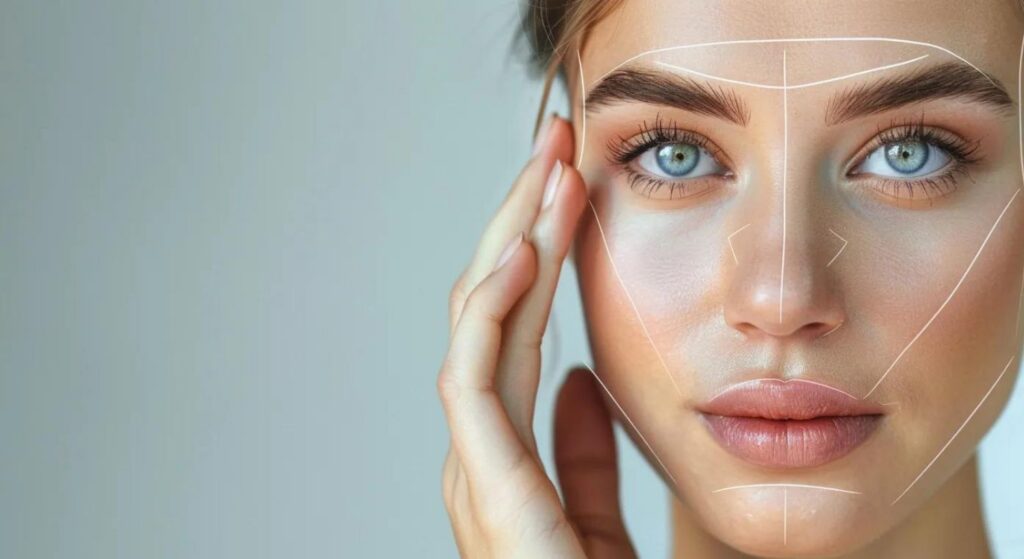
Facial balance and proportion in aesthetic treatments refers to the practice of using dermal fillers, neurotoxins, and other non-surgical methods to create harmony between your facial features. Instead of changing one part of your face, this approach looks at the whole face and makes small, strategic adjustments so that every feature works together. According to the American Society of Plastic Surgeons (ASPS), over 3.4 million dermal filler procedures were performed in the United States in 2023 alone, and that number continues to climb. For residents in Lee’s Summit, MO and the greater Kansas City area, facial balancing has become one of the most requested services at medical spas. This guide covers what facial balance means, why proportion matters, how the golden ratio applies, and what treatments can help you reach your goals.
What Is Aesthetic Facial Balancing?
Aesthetic facial balancing is a non-surgical method that evaluates your face as a whole and uses injectables and fillers to improve symmetry, proportion, and harmony between features. Rather than focusing on one area like just the lips or just the cheeks, this approach considers how each feature relates to every other feature. A skilled provider looks at your forehead, temples, cheeks, nose, chin, jawline, and lips together to find areas where small changes create the biggest impact.
The concept is rooted in centuries of art and science. Leonardo da Vinci first described dividing the face into equal thirds in his writings on human anatomy. Today, aesthetic providers in Lee’s Summit and across Kansas City use those same principles with modern tools like hyaluronic acid fillers and neuromodulators. According to a 2014 study published in The Scientific World Journal by Milutinovic and colleagues at the University of Belgrade, attractive faces consistently showed uniformity of the facial thirds and fifths, while faces in the general population differed from those ideal proportions.
The goal is not to make everyone look the same. It is to bring out the best version of your unique features by making sure everything is in proportion.
What Are Balanced Facial Proportions?
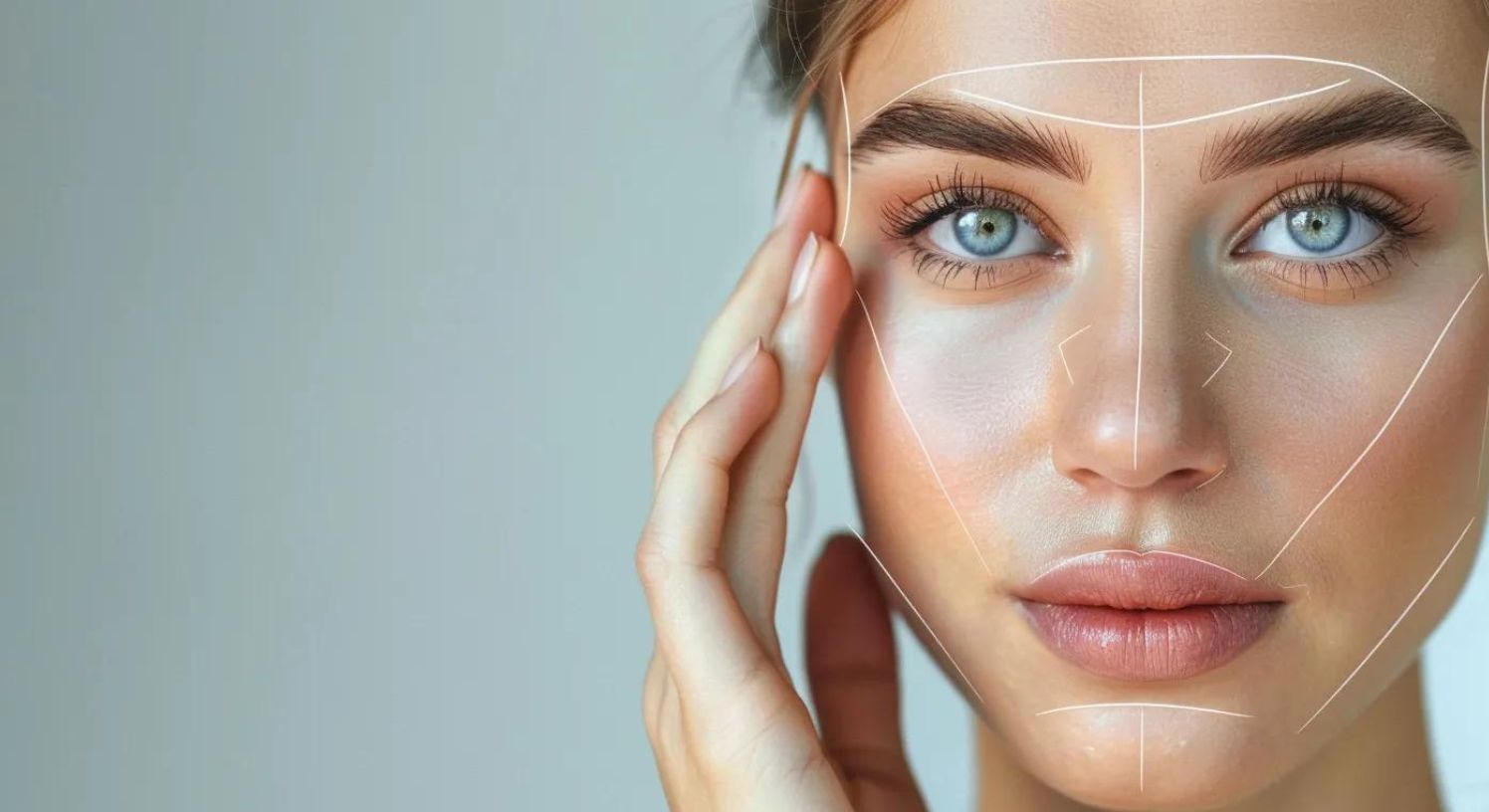
Balanced facial proportions are measurements and ratios between different facial features that create a look of visual harmony. The face is commonly divided into three horizontal sections, called “thirds.” The upper third goes from the hairline to the eyebrows. The middle third goes from the eyebrows to the base of the nose. The lower third goes from the base of the nose to the chin. When these three sections are roughly equal, the face tends to look balanced.
The face is also divided vertically into five equal sections, roughly the width of one eye each. This is called the “rule of fifths.” Research published in the journal Facial Plastic Surgery by Armengou and colleagues confirms that this method of dividing the face into thirds and fifths remains one of the most widely used frameworks in aesthetic medicine for assessing facial harmony.
Many people in the Lee’s Summit, MO area come in for a consultation because something feels “off” about their face, but they cannot pinpoint what it is. Often, the answer lies in proportions. A chin that is slightly too short can make a nose look larger. Flat cheeks can make the lower face appear heavier. These subtle imbalances are what facial balancing is designed to address.
What Is the Golden Ratio in Face Aesthetics?
The golden ratio in face aesthetics is a mathematical proportion of approximately 1:1.618, also called “Phi” or the “divine proportion.” It has been studied for thousands of years in art, architecture, and nature. According to research published in Clinical and Experimental Dental Research (2025), ideal facial proportions have a direct connection to this ratio of 1:1.618, and it has been used as a reference point in both dental and facial aesthetic assessments.
In practice, the golden ratio shows up in several facial relationships. The width of the mouth compared to the width of the nose, the distance between the eyes compared to the width of the face, and the height of the face compared to its width are all areas where the golden ratio can be observed. Leonardo da Vinci’s famous “Vitruvian Man” drawing applied these proportions to human anatomy.
However, it is important to know that the golden ratio is a guide, not a strict rule. A plastic surgeon writing for a clinical review noted that many attractive individuals do not conform strictly to Phi. Beauty is personal and varies across cultures. For clients visiting Slimming Solutions Med Spa in Lee’s Summit, the golden ratio is a helpful starting point, but your treatment plan is always built around your individual face.
What Is the 1/3 Face Rule?
The 1/3 face rule is a classic guideline that says the face should be divided into three roughly equal horizontal sections. The upper third includes the forehead and hairline area. The middle third covers the space from the brows to the base of the nose. The lower third extends from the base of the nose to the tip of the chin. When each third is close to equal in height, the face is considered well-proportioned.
Research published in the Journal of Cutaneous and Aesthetic Surgery (2020) confirms that diagnosing facial aging is possible by analyzing the structure of these thirds and studying facial proportions within each section. As we age, the middle and lower thirds of the face change the most, with volume loss in the cheeks and temples and lengthening of the lower face due to bone resorption and gravity.
For people in the Kansas City metro area, the 1/3 face rule is one of the first things a provider evaluates during a facial treatment consultation. If the lower third of your face looks too long or too short compared to the other two sections, targeted filler placement can restore that balance.
Within the lower third itself, there is another important ratio. Studies published in the Journal of Cranio-Maxillofacial Surgery have found that the ideal lower face has a proportion of about 30% upper lip to 70% lower lip and chin. This ratio has remained remarkably stable for over 2,500 years across different populations.
Can an Esthetician Do Facial Balancing?
Yes, an esthetician can do facial balancing in some cases, but it depends on the state and the type of treatment involved. In Missouri, injecting dermal fillers and neurotoxins like Botox requires medical oversight or a license that permits injectable procedures. Medical spas like Slimming Solutions Med Spa in Lee’s Summit operate under proper medical supervision, so clients can feel safe knowing their facial balancing treatments are performed by trained, qualified professionals.
The skill of the injector matters just as much as the products used. Facial balancing requires an artistic eye and an advanced knowledge of facial anatomy. According to research published in the journal Hubmed Education, aesthetic facial harmony depends on proportion, and skilled injectors use both static and dynamic assessments to determine how features interact at rest and in motion. This goes far beyond a simple injection.
What Are the Four Main Aesthetics?
The four main aesthetics in facial analysis are proportion, symmetry, volume distribution, and skin quality. Proportion refers to the size relationships between features, like the ones described in the rule of thirds and the golden ratio. Symmetry refers to how closely the left and right sides of the face mirror each other. Volume distribution looks at where fat, bone, and soft tissue sit across the face and whether any areas are hollow or overly full. Skin quality includes texture, tone, firmness, and clarity.
A study published in the Archives of Plastic Surgery (2023) found that perfect facial symmetry is observed in only about 2% of the world’s population. This means almost everyone has some degree of natural asymmetry. The goal of facial treatments is not to force perfect symmetry, but to improve harmony between all four aesthetic elements.
For residents in Lee’s Summit looking to improve skin quality alongside balance and proportion, treatments like chemical peels or laser skin resurfacing can complement injectable treatments for a full-face refresh.
Is Facial Balancing Worth It?
Yes, facial balancing is worth it for people who want natural, proportionate improvements to their face without surgery. Research consistently shows high satisfaction rates among patients who undergo facial filler treatments. A study by Bertucci and Nikolis found that over 89% of patients reported high satisfaction levels after facial enhancement procedures. Another study published in PubMed showed that at 18 months after full-facial volume restoration with hyaluronic acid fillers, 95% of subjects still showed improvement and all subjects reported being satisfied with their aesthetic outcome.
The results are immediate. Downtime is minimal. Most treatments take less than an hour. And because hyaluronic acid fillers are temporary and reversible, the commitment is low. According to the American Society of Plastic Surgeons, minimally invasive cosmetic procedures have grown nearly 200% since 2000, showing that more and more people find this approach to be effective and worthwhile.
Clients at Slimming Solutions Med Spa in Lee’s Summit often say that after facial balancing, they look more rested and refreshed rather than “done” or artificial. That natural result is the entire point.
What Will I Look Like with Facial Balancing?
You will look like a refreshed, more harmonious version of yourself with facial balancing. The changes are subtle but meaningful. If your chin is slightly receded, filler can bring it forward to better balance your profile. If your cheeks have lost volume with age, restoring that volume can lift the midface and reduce the appearance of fine lines and wrinkles.
Providers treat the face the way an artist approaches a canvas. Small amounts of filler placed in the right spots can make the lips look naturally fuller, the jawline more defined, and the forehead smoother. A 2024 study published in ScienceDirect found that facial asymmetry increases significantly with age, rising from an average of 0.45 mm in young children to 0.98 mm in adults over 70. Facial balancing helps reverse this gradual shift.
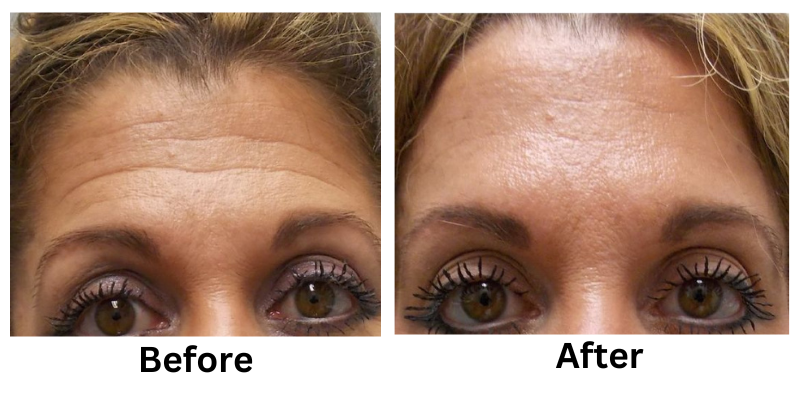
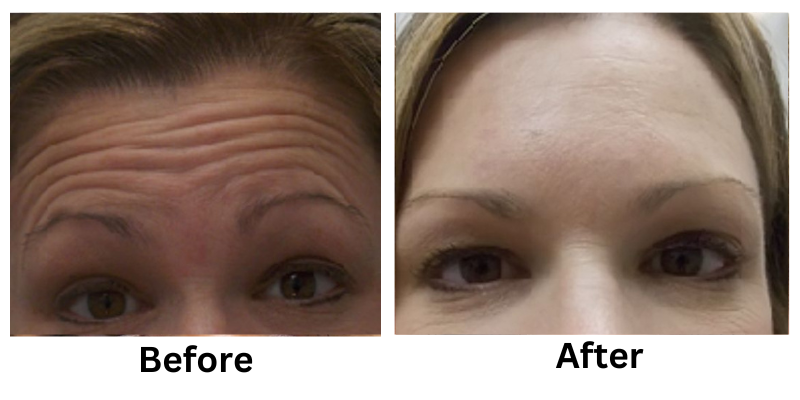
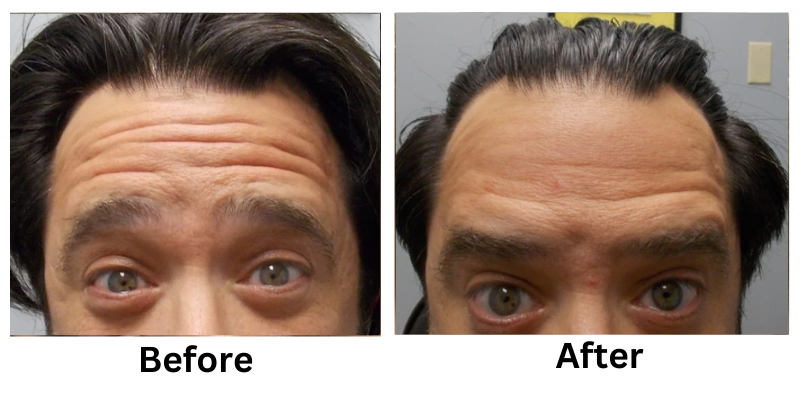
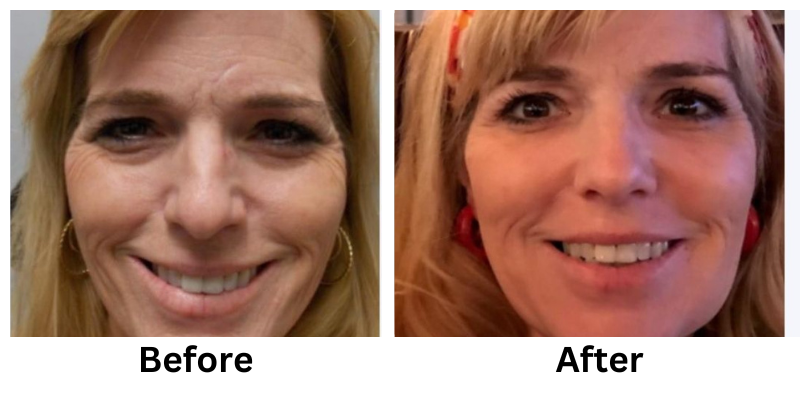
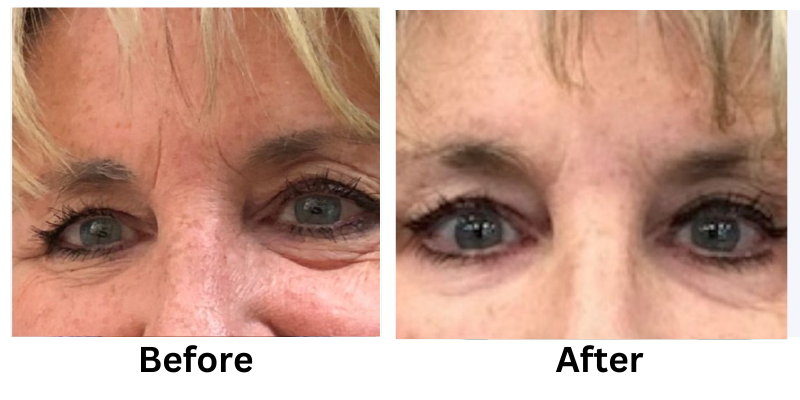
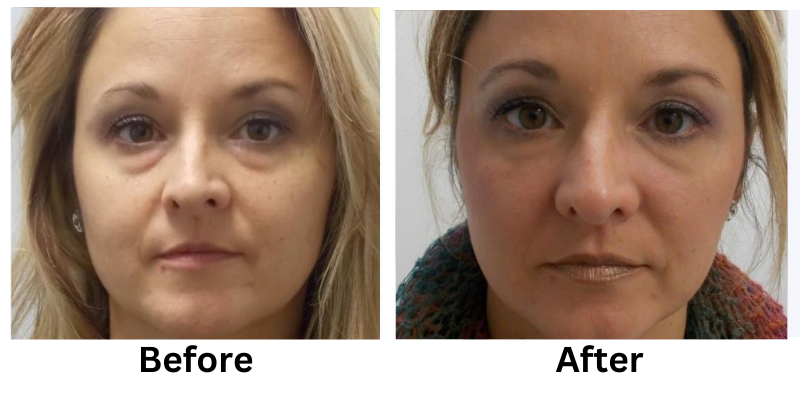
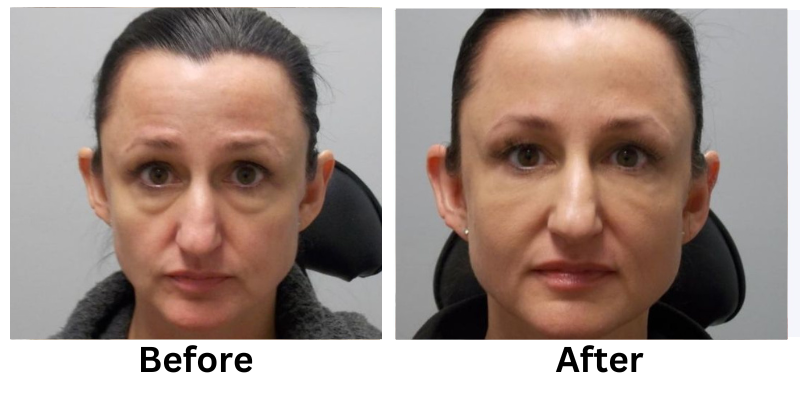
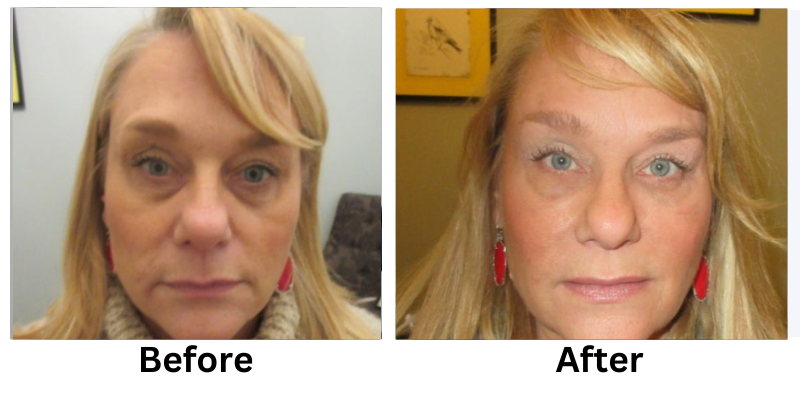
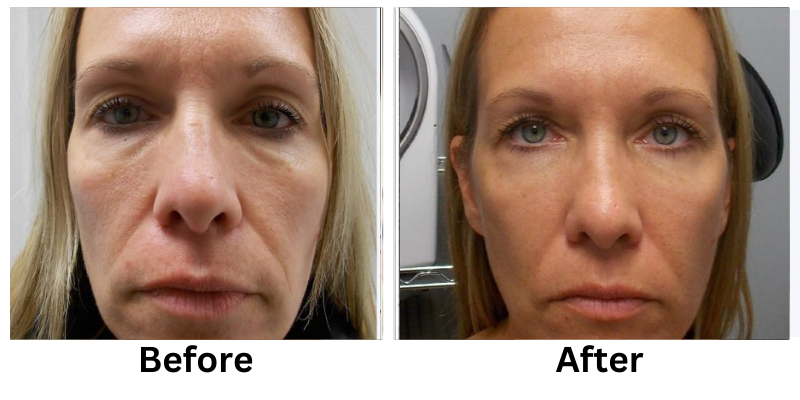
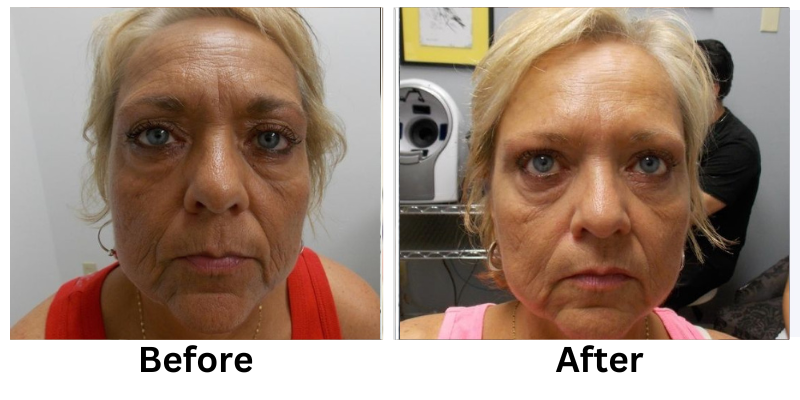
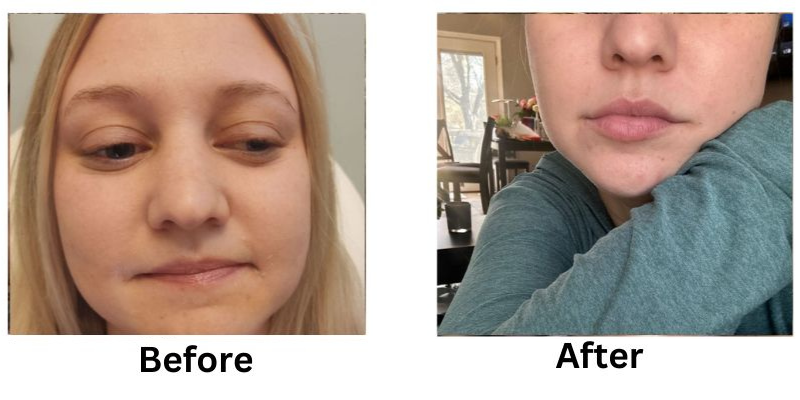
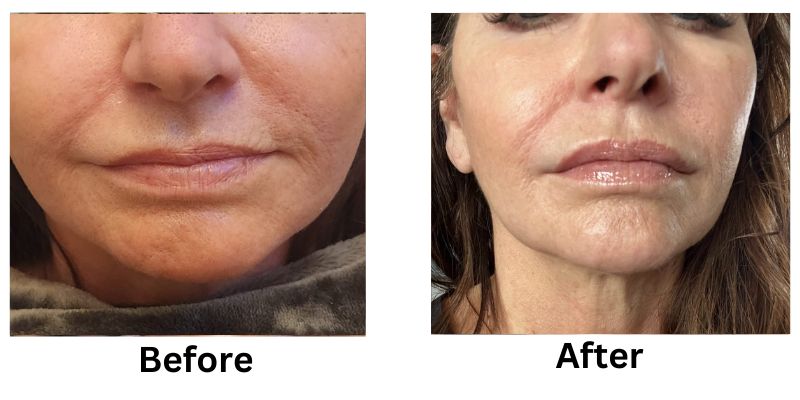
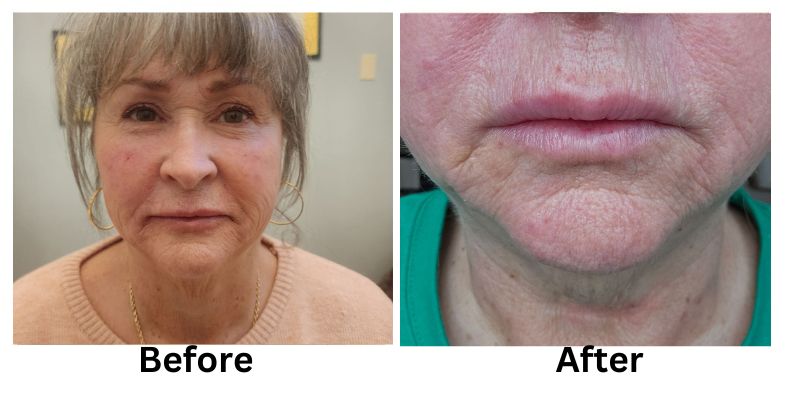
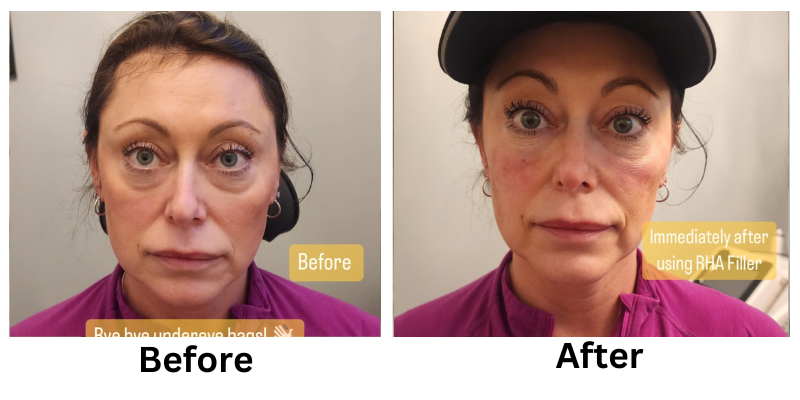
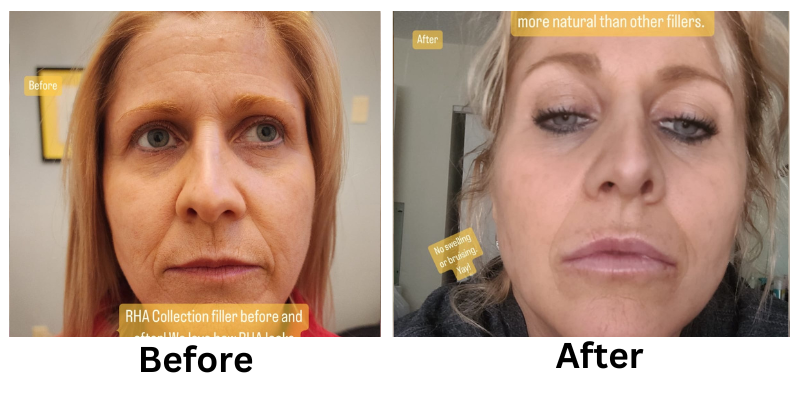
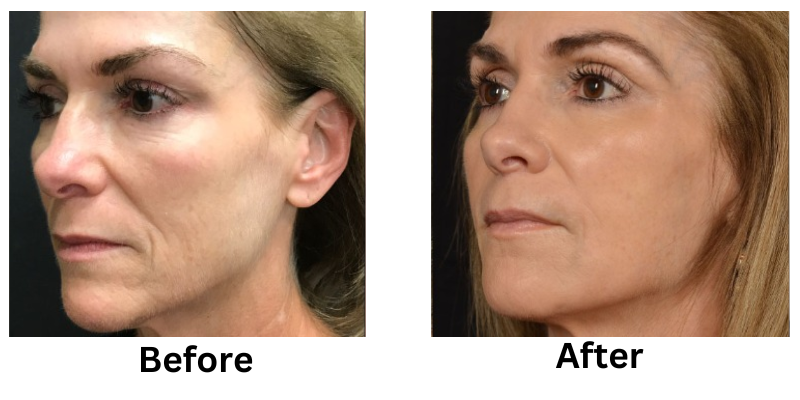
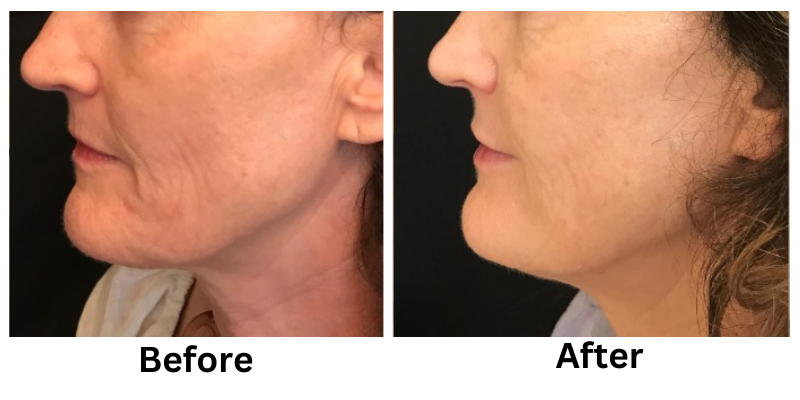
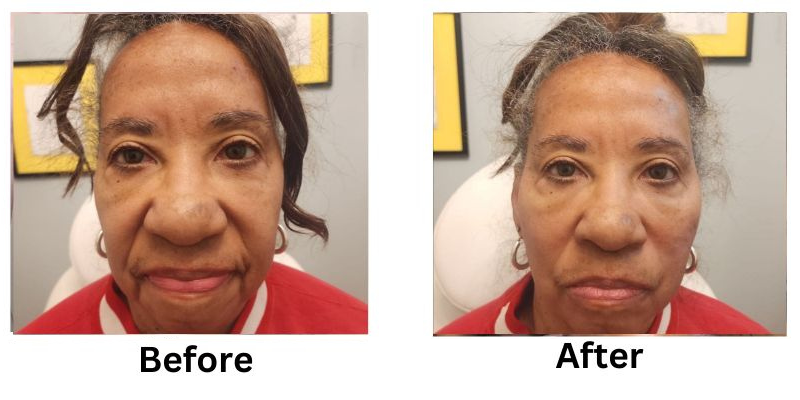
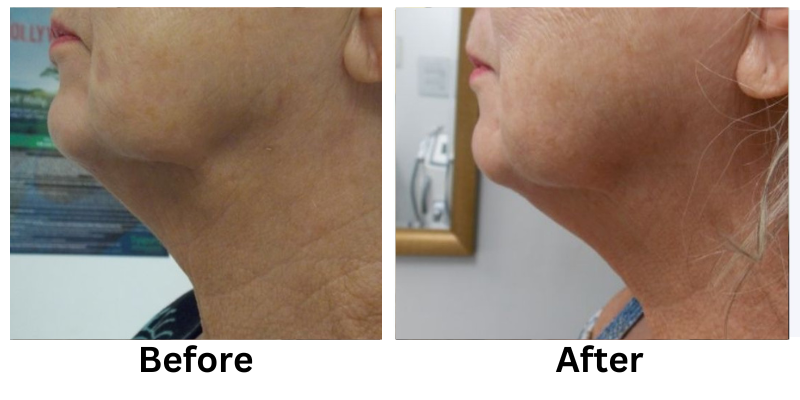
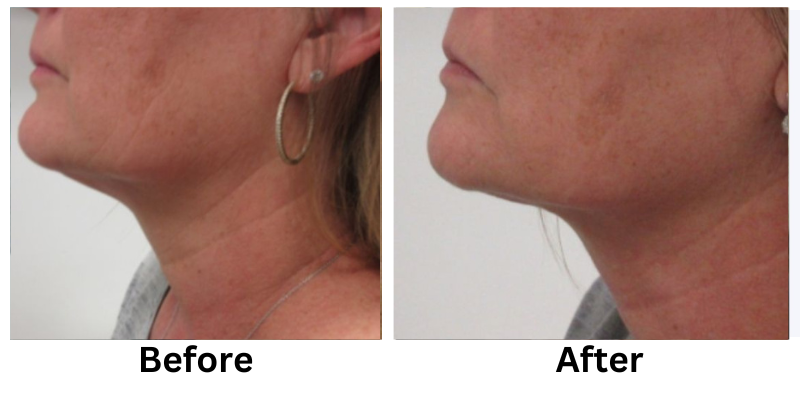
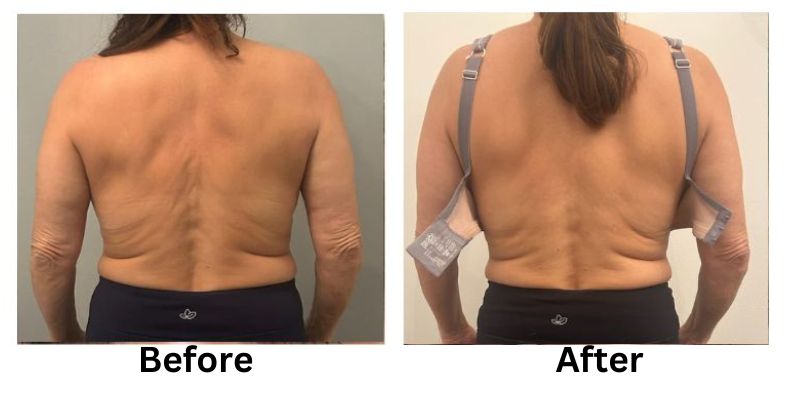
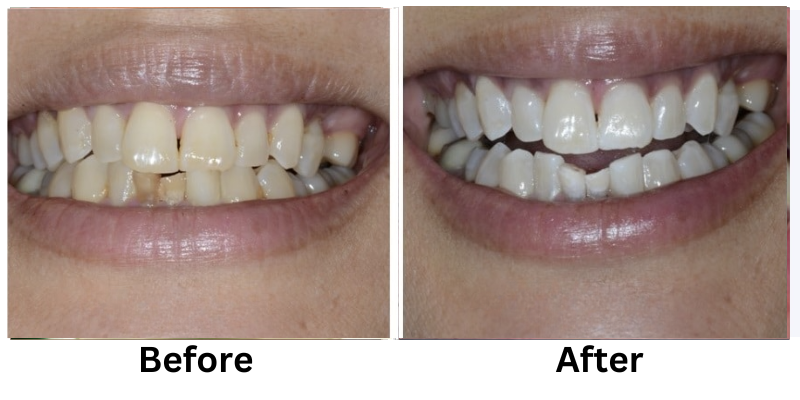
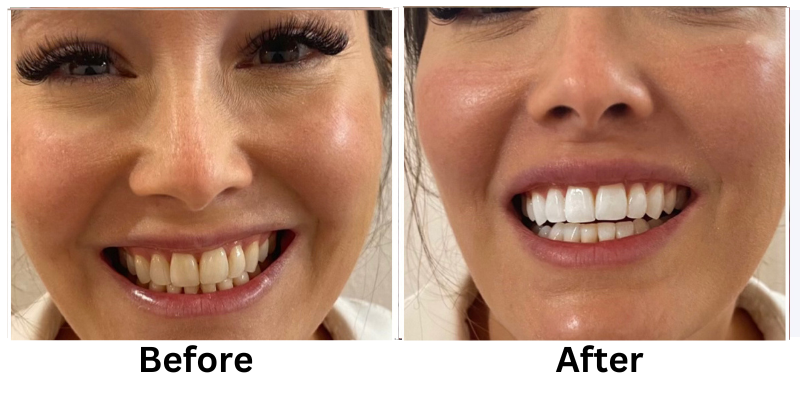
You can see real examples of how injectable treatments transform faces by visiting the before and after gallery at Slimming Solutions Med Spa.
How to Get Facial Proportions Right
Getting facial proportions right starts with a thorough consultation and a full-face assessment. The provider examines your face from the front, the sides, and at a three-quarter angle. They measure proportions, evaluate symmetry, and identify areas where small adjustments will have the biggest impact.
According to the dermal filler market analysis by Fortune Business Insights, the global dermal filler market was valued at $4.97 billion in 2024 and is projected to reach $8.29 billion by 2032. This explosive growth is driven in part by the shift toward whole-face treatment strategies rather than spot treatments.
The process usually follows these steps. First, the provider completes a detailed facial analysis. Next, they create a treatment plan that may involve multiple products, like Juvederm fillers for the cheeks and lips, Radiesse for the jawline and chin, and Botox for muscle modulation. Then the treatment is performed, usually in under an hour with minimal discomfort. Results settle over two to four weeks as swelling resolves and filler integrates with tissue.
For Lee’s Summit residents interested in getting started, the best first step is to request a consultation with the team at Slimming Solutions Med Spa.
What Are the Attractive Facial Proportions?
The attractive facial proportions are a combination of equal facial thirds, balanced fifths, a harmonious profile, and well-proportioned lips. A study published in The Scientific World Journal found that attractive female faces consistently showed uniformity across all facial thirds and fifths, and most facial measurements met the criteria for ideal proportions. The study compared 24 attractive celebrity females to 83 women from the general population and found clear, measurable differences.
According to the same research, attractive faces tend to have a slightly smaller overall face size, fuller lips, and a shorter nose compared to the general population. The researchers, led by Ferrario and colleagues (1995), found that attractive women share characteristics like a relatively prominent forehead and more voluminous lips.
An upper-lip-to-lower-lip ratio of 1:2 was judged to be the most attractive in research published in the journal Cosmoderma. This means the lower lip should be roughly twice the volume of the upper lip. These are the kinds of ratios that guide treatment decisions during facial balancing treatments, and they are exactly the details that trained injectors in Lee’s Summit, MO pay close attention to.
What Is the Fibonacci Ratio for Face?
The Fibonacci ratio for face is another way of describing the golden ratio of 1:1.618. The Fibonacci sequence is a series of numbers where each number is the sum of the two before it (1, 1, 2, 3, 5, 8, 13, 21, and so on). When you divide any Fibonacci number by the one before it, the result gets closer and closer to 1.618 as the numbers get larger. This ratio appears throughout nature, in spiral seashells, flower petals, and even the proportions of the human face.
In facial aesthetics, the Fibonacci ratio is used as a reference for relationships between facial features. The distance from the hairline to the chin compared to the width of the face, or the width of the mouth compared to the nose, can reflect this ratio. But as research in plastic surgery publications has confirmed, the ratio is a guideline, not a rigid standard. Every face is unique, and the best results come from treatments that are customized to the individual.
Lee’s Summit residents who are curious about how these proportions apply to their own face can discuss it during a consultation. Products like Sculptra and Restylane allow providers to build structure and volume in ways that align with these natural proportions.
What Face Shape Is Most Attractive?
The most attractive face shape is one that appears balanced and proportionate, regardless of whether it is oval, heart-shaped, round, or square. Research on facial attractiveness consistently shows that harmony between features matters more than any single shape. According to a 2014 study in The Scientific World Journal, attractive faces tend to be slightly smaller overall with uniform proportions across the horizontal thirds and vertical fifths.
Cultural preferences also play a role. In some Western cultures, an oval face with defined cheekbones is often considered ideal. In some Asian cultures, a softer, rounder face shape is preferred. A Korean study published in the journal Dermatology and Plastic Surgery found that the facial width-to-length ratio in attractive Asian women was approximately 72%, compared to 74.4% in attractive Caucasian women.
The bottom line is that there is no single “best” face shape. What matters most is that your features are balanced with each other. This is exactly what facial balancing achieves, and it is one of the reasons the treatment has become so popular among Kansas City area residents.
How Do Dermal Fillers Help with Facial Balance?
Dermal fillers help with facial balance by adding volume and definition to specific areas of the face that are out of proportion. Hyaluronic acid-based fillers like Juvederm, Restylane, and Revanesse Versa add volume to cheeks, lips, and temples. Calcium hydroxylapatite fillers like Radiesse provide stronger structural support for the jawline and chin. Biostimulatory fillers like Sculptra encourage your body to produce its own collagen over time for gradual volume restoration.
According to data from Global Market Insights, the facial corrections segment of the dermal filler market held the highest market share in 2024 and is growing at a rate of 11.2% annually. This growth is being driven by the rising emphasis on facial symmetry and aesthetic balance.
The key is strategic placement. Instead of just filling one area, the provider places filler in multiple zones to create a unified result. For example, adding volume to the chin can make a prominent nose look more proportional. Filling the temples can make the forehead and cheekbones look more balanced. Lip enhancement combined with chin augmentation can completely change a side profile. Each decision is made with the whole face in mind.
Facial Balance Treatment Comparison Table
| Treatment | Best For | Duration of Results | Key Benefit |
|---|---|---|---|
| Hyaluronic Acid Fillers (Juvederm, Restylane, Versa) | Cheeks, lips, under-eyes, temples | 6 to 18 months | Immediate volume, reversible |
| Calcium Hydroxylapatite (Radiesse) | Jawline, chin, cheeks | 12 to 18 months | Structural support, collagen stimulation |
| Poly-L-Lactic Acid (Sculptra) | Full face volume, temples, cheeks | Up to 2 years or more | Gradual collagen building |
| Neurotoxins (Botox, Xeomin) | Forehead, brow lift, jawline slimming | 3 to 4 months | Muscle relaxation, facial refinement |
| Thread Lifts | Midface, jowls, brow | 12 to 18 months | Lifting and tightening effect |
Sources: American Society of Plastic Surgeons (ASPS) Procedural Statistics; Fortune Business Insights Dermal Filler Market Report; Global Market Insights 2024 Analysis.
Can Botox and Fillers Be Used Together for Facial Balancing?
Yes, Botox and fillers can be used together for facial balancing, and this combination is actually one of the most effective strategies. According to the ASPS 2022 Procedural Statistics Report, neuromodulator injections and dermal fillers both experienced a nearly two-fold increase since 2019. Using them together allows the provider to address both volume loss (with fillers) and muscle activity (with neurotoxins) in a single comprehensive treatment plan.
For example, Botox can relax the muscles that pull down the corners of the mouth, while filler can add volume to the cheeks and chin. Xeomin can smooth forehead lines while Sculptra rebuilds volume in the temples. These treatments work together to create a result that looks natural and balanced from every angle.
Many clients at Slimming Solutions Med Spa in Lee’s Summit choose a combination approach because it delivers the most complete results.
How Long Does Facial Balancing Last?
Facial balancing lasts anywhere from 6 months to over 2 years depending on the products used, the treatment areas, and individual factors like metabolism and lifestyle. Hyaluronic acid fillers typically last 6 to 18 months. Radiesse lasts 12 to 18 months. Sculptra can last up to 2 years or longer because it stimulates your body’s own collagen production.
A study published in Dermatologic Surgery found that at 18 months, over 60% of the volume gained from hyaluronic acid filler was still sustained based on 3D imaging analysis. Most patients return once or twice a year for maintenance treatments to keep their results looking fresh.
Aging is ongoing, so periodic touch-ups are part of maintaining facial balance over time. The good news is that each maintenance session typically requires less product than the initial treatment.
What Is the Rarest Face Shape?
The rarest face shape is the diamond face shape, which features a narrow forehead and jawline with wider cheekbones. Because most faces fall into categories like oval, round, square, heart, or oblong, the diamond shape is seen far less often. Perfect facial symmetry is also extremely rare. Research published in the Archives of Plastic Surgery found that only about 2% of the global population has a truly symmetrical face.
Regardless of your face shape, facial balancing treatments can improve how your features relate to each other. Whether you have a round face or a long face, a provider in Lee’s Summit, MO can use the rule of thirds and the golden ratio as guides to create a more harmonious look that flatters your individual structure.
Frequently Asked Questions
Is Facial Balancing Safe for All Skin Types in Lee’s Summit?
Yes, facial balancing is safe for all skin types in Lee’s Summit. Dermal fillers and neurotoxins work beneath the skin’s surface, so skin color and type do not affect the safety or effectiveness of the treatment. According to ASPS data, minimally invasive cosmetic procedures are performed safely across all demographics. The most important factor is choosing a qualified provider with experience in facial anatomy.
How Many Syringes of Filler Are Needed for Facial Balancing?
The number of syringes of filler needed for facial balancing varies from person to person. Some people may need two to four syringes, while others may need six or more. It depends on your age, the areas being treated, and how much volume has been lost. A study published in Dermatologic Surgery found that most full-face treatment subjects had three or four areas injected during a single session. During your consultation at Slimming Solutions Med Spa in Lee’s Summit, your provider will give you a detailed treatment plan.
What Is the Best Age to Start Facial Balancing in the Kansas City Area?
The best age to start facial balancing in the Kansas City area depends on your individual concerns. Some people in their late 20s seek subtle enhancements to features they have always wanted to adjust. Others start in their 40s or 50s when age-related volume loss becomes more noticeable. Research published in ScienceDirect shows that facial asymmetry increases steadily with age, so there is no single “right” time. The key is to start when you feel ready.
Does Facial Balancing Look Natural?
Yes, facial balancing looks natural when performed by a skilled provider. The entire purpose of the treatment is subtle refinement, not dramatic change. A 2024 study on facial harmony using Restylane Defyne showed that 100% of patients in the trial demonstrated natural-looking results and improved facial harmony at the nine-week follow-up. The focus is always on making your features work together, not changing who you are.
How Long Is Recovery After Facial Balancing Treatment?
Recovery after facial balancing treatment is minimal. Most people return to normal activities the same day. Some swelling, mild tenderness, or slight bruising at the injection sites may appear, but these effects usually resolve within a few days to two weeks. According to clinical research, serious complications from hyaluronic acid fillers are rare, affecting fewer than 2% of patients.
Can Men Get Facial Balancing in Lee’s Summit, MO?
Yes, men can get facial balancing in Lee’s Summit, MO. According to the ASPS 2022 statistics, men accounted for a 207% rise in total cosmetic procedures since 2019. The use of dermal fillers in men specifically increased by 70% between 2019 and 2022 according to Roots Analysis. Men commonly seek jawline definition, chin enhancement, and cheek structure through facial balancing. The treatment is customized to masculine facial proportions, which typically favor a broader jaw and stronger chin.
Final Thoughts
Facial balance and proportion are at the heart of what makes a face look attractive, youthful, and refreshed. Whether you are dealing with age-related volume loss, natural asymmetry, or simply want to bring your features into better harmony, facial balancing offers a safe, effective, and non-surgical solution. The research is clear: people who receive full-face proportional treatments report high satisfaction, natural-looking results, and meaningful improvements in how they feel about their appearance.
If you live in Lee’s Summit, MO or anywhere in the greater Kansas City area and want to see what facial balancing can do for you, the team at Slimming Solutions Med Spa is ready to help. With a full menu of injectables and fillers including Juvederm, Restylane, Radiesse, Sculptra, Botox, and more, every treatment plan is built around your unique face. Call today or request a consultation to take the first step toward a more balanced, confident you.
![[thumb]](https://slimmingsolutionsspa.com/wp-content/uploads/2023/12/botox1-150x150.png)
![[thumb]](https://slimmingsolutionsspa.com/wp-content/uploads/2023/12/Before2-150x150.png)
![[thumb]](https://slimmingsolutionsspa.com/wp-content/uploads/2023/12/Before3-150x150.png)


![[thumb]](https://slimmingsolutionsspa.com/wp-content/uploads/2023/12/revanesse-versa-1-150x150.png)
![[thumb]](https://slimmingsolutionsspa.com/wp-content/uploads/2023/12/revanesse-versa-2-150x150.png)
![[thumb]](https://slimmingsolutionsspa.com/wp-content/uploads/2023/12/revanesse-versa-3-150x150.png)
![[thumb]](https://slimmingsolutionsspa.com/wp-content/uploads/2023/12/revanesse-versa-4-150x150.png)
![[thumb]](https://slimmingsolutionsspa.com/wp-content/uploads/2023/12/revanesse-versa-5-150x150.png)
![[thumb]](https://slimmingsolutionsspa.com/wp-content/uploads/2024/01/Eyebrow-treatment-1-1-150x150.png)
![[thumb]](https://slimmingsolutionsspa.com/wp-content/uploads/2023/12/Skin-Rejuvenation-1-150x150.png)
![[thumb]](https://slimmingsolutionsspa.com/wp-content/uploads/2023/12/Skin-Rejuvenation-2-150x150.png)


![[thumb]](https://slimmingsolutionsspa.com/wp-content/uploads/2024/01/Lip-Filler-1-150x150.png)
![[thumb]](https://slimmingsolutionsspa.com/wp-content/uploads/2024/01/Lip-Filler-2-150x150.png)
![[thumb]](https://slimmingsolutionsspa.com/wp-content/uploads/2025/02/Lip-Filler-1-150x150.png)
![[thumb]](https://slimmingsolutionsspa.com/wp-content/uploads/2024/01/Lip-Filler-150x150.jpg)
![[thumb]](https://slimmingsolutionsspa.com/wp-content/uploads/2024/01/Before-1-150x150.jpg)

![[thumb]](https://slimmingsolutionsspa.com/wp-content/uploads/2024/01/RHA-Treatmetn-3-150x150.png)
![[thumb]](https://slimmingsolutionsspa.com/wp-content/uploads/2024/01/RHA-Treatmetn-2-150x150.png)
![[thumb]](https://slimmingsolutionsspa.com/wp-content/uploads/2024/01/RHA-Treatmetn-1-150x150.png)
![[thumb]](https://slimmingsolutionsspa.com/wp-content/uploads/2024/01/Thread-Lifts-1-150x150.png)
![[thumb]](https://slimmingsolutionsspa.com/wp-content/uploads/2024/01/Thread-Lifts-2-150x150.png)
![[thumb]](https://slimmingsolutionsspa.com/wp-content/uploads/2025/02/Lip-Filler-2-150x150.png)

![[thumb]](https://slimmingsolutionsspa.com/wp-content/uploads/2023/12/skin-reuvulation1-150x150.png)
![[thumb]](https://slimmingsolutionsspa.com/wp-content/uploads/2023/12/skin-rejuvulation-2-150x150.png)
![[thumb]](https://slimmingsolutionsspa.com/wp-content/uploads/2023/12/Skin-Tighting-150x150.png)
![[thumb]](https://slimmingsolutionsspa.com/wp-content/uploads/2023/12/Before-150x150.jpg)
![[thumb]](https://slimmingsolutionsspa.com/wp-content/uploads/2023/12/weightloss-1-150x150.png)
![[thumb]](https://slimmingsolutionsspa.com/wp-content/uploads/2023/12/weightloss-2-150x150.png)
![[thumb]](https://slimmingsolutionsspa.com/wp-content/uploads/2023/12/2Weight-Loss-2-150x150.png)
![[thumb]](https://slimmingsolutionsspa.com/wp-content/uploads/2025/02/Weight-Loss-1-new-150x150.png)
![[thumb]](https://slimmingsolutionsspa.com/wp-content/uploads/2023/12/Weight-Loss-3-150x150.png)
![[thumb]](https://slimmingsolutionsspa.com/wp-content/uploads/2025/03/Slimming-Solutions-BA-Template-150x150.png)


![[thumb]](https://slimmingsolutionsspa.com/wp-content/uploads/2023/12/dat3-150x150.png)
![[thumb]](https://slimmingsolutionsspa.com/wp-content/uploads/2023/12/dat-0-150x150.png)
![[thumb]](https://slimmingsolutionsspa.com/wp-content/uploads/2023/12/dat-1-150x150.png)
![[thumb]](https://slimmingsolutionsspa.com/wp-content/uploads/2023/12/Before-1-150x150.png)

![[thumb]](https://slimmingsolutionsspa.com/wp-content/uploads/2024/01/EMS-Treatment-2-150x150.png)
![[thumb]](https://slimmingsolutionsspa.com/wp-content/uploads/2024/01/EMS-Treatment-1-150x150.png)
![[thumb]](https://slimmingsolutionsspa.com/wp-content/uploads/2025/02/ems-BNA-front-150x150.png)
![[thumb]](https://slimmingsolutionsspa.com/wp-content/uploads/2025/02/EMS-bna-SIDE-150x150.png)
![[thumb]](https://slimmingsolutionsspa.com/wp-content/uploads/2024/01/EMS-Treatment-6-150x150.png)