Facial treatments have evolved from simple natural remedies used thousands of years ago into advanced, science-backed procedures that address nearly every skin concern. Ancient Egyptians applied sour milk and honey to their faces as early as 3000 BCE. Today, treatments like chemical peels, microneedling, LED light therapy, and dermal fillers use cutting-edge technology to deliver visible results with minimal downtime. The global facial skincare market was valued at approximately $101.74 billion in 2024, according to Precedence Research, reflecting how central professional skin care has become to modern wellness. This article traces the full history of facial treatments, explores the science behind today’s most popular procedures, and answers the real questions people ask about caring for their skin.
How Did Facial Treatments Start in Ancient Civilizations?
Facial treatments started in ancient civilizations through the use of natural ingredients like milk, honey, olive oil, and clay. The first recorded skincare regimen was found in Egypt around 3000 BCE, according to BeautyBio. Ancient Egyptians used sour milk on their skin, which contained lactic acid, an alpha hydroxy acid that is still used in modern chemical peels today. They also mixed sand with aloe vera to exfoliate dead skin cells, and they applied clay and olive oil pastes for deep cleansing.
The ancient Greeks relied on olive oil as a cleanser, moisturizer, and sunburn treatment. The Greek physician Hippocrates recommended a mixture of honey and vinegar for acne. Ancient Romans used fermented grape juice and sour milk for skin clarification, taking advantage of the tartaric and lactic acids in these substances. In ancient China, traditional medicine emphasized balance and harmony, and mung bean powder was used as a facial scrub to exfoliate and soothe the skin.
These early treatments laid the foundation for the entire skincare industry. The ingredients ancient people used, like lactic acid from milk, salicylic acid from plants, and natural clays, remain active components in professional facial treatments more than 5,000 years later.
When Did Chemical Peels First Become a Skincare Treatment?
Chemical peels first became a skincare treatment in the mid-1800s, when European dermatologists began using concentrated acids to resurface the skin. According to research published in the Journal of the European Academy of Dermatology and Venereology, the Viennese dermatologist Ferdinand von Hebra described phenol as a chemical peeling agent as early as 1860. In 1882, German dermatologist Paul Gerson Unna documented the use of salicylic acid, resorcinol, and trichloroacetic acid on the skin, providing the most comprehensive account of chemical peels of the 19th century.
The concept itself goes back much further. Ancient Egyptians used sour milk for its lactic acid, and Romans applied fermented grape skins containing tartaric acid. But the clinical, controlled application of chemical peels as a medical procedure began in Europe in the 1860s. By the early 1900s, dermatologist George MacKee had been using phenol peels for scarring since 1903, though he did not publish his results until 1952.
Chemical peeling procedures are now performed roughly half a million times per year by dermatologists in the United States alone, according to data cited in the Journal of the European Academy of Dermatology and Venereology. That figure represents a 20% increase compared to the year 2000. Modern peels use gentler acids like glycolic acid and lactic acid, making them safer and more accessible than the aggressive phenol treatments of the past. Patients dealing with hyperpigmentation or uneven texture often find chemical peels to be one of the most effective solutions.
What Facial Treatments Were Popular in the 1900s?
Facial treatments that were popular in the 1900s include basic cleansing facials, cold cream applications, early chemical peels, and the introduction of commercially produced skincare products. In the early decades, skincare started resembling the multi-step process we know today, according to Hale Cosmeceuticals. Women used cold cream to remove dirt and makeup because soap was considered too harsh for the face. Tonics and serums made from beeswax, mineral oil, and water were applied before makeup.
The 1930s brought sunscreen, a major protective turning point for skin health. The first commercially available sunscreen was created in 1935. In the 1940s, dermatologist Max Jessner developed the Jessner peel while working in the Navy. His formula was originally intended as an antiseptic, but its remarkable skin-clearing effects made it one of the most popular peels in dermatology history.
By the 1960s, laser technology entered dermatology. Early lasers used rubies and high-energy light flashes to target acne scars, pigmentation, and unwanted hair. Retinoic acid, later known as isotretinoin, was first studied in the 1960s and became a breakthrough acne treatment through the 1970s and 1980s. The FDA approved Botox for cosmetic use in 2002, opening the door to the injectable revolution that continues today. Botox and neurotoxins remain among the most popular minimally invasive aesthetic treatments worldwide.
How Has Technology Changed Facial Treatments?
Technology has changed facial treatments by making them faster, safer, more precise, and more effective at targeting specific skin concerns. In the 1980s, microdermabrasion machines emerged, offering mechanical exfoliation that could resurface skin without chemicals. Collagen-infused serums and masks also gained popularity during this era.
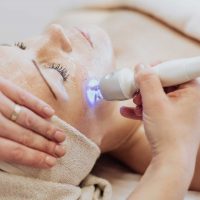
The 2000s brought a surge in energy-based treatments. LED light therapy became a mainstream option for treating acne, inflammation, and signs of aging. Red light wavelengths boost collagen production, while blue light kills acne-causing bacteria. FotoFacial RF treatments combined intense pulsed light with radiofrequency energy, allowing practitioners to address wrinkles, sun damage, and redness in a single session.
The global microneedling market was valued at approximately $748 million in 2024 and is projected to reach $1.59 billion by 2034, according to Precedence Research. This growth reflects how quickly technology-driven treatments are being adopted. Radiofrequency microneedling combines tiny needles with RF energy to stimulate deep collagen production without damaging the skin’s surface. The RF microneedling segment alone held 63% of the broader microneedling market share in 2024, according to Precedence Research.
Today, treatments like laser skin resurfacing can precisely remove damaged outer layers of skin, promoting new cell growth and collagen formation. These advances mean patients can achieve results that once required surgery, all with minimal downtime and lower risk.
What Are the Most Popular Facial Treatments Today?
The most popular facial treatments today include neurotoxin injections, dermal fillers, chemical peels, microneedling, LED light therapy, and hydrating facials like aqua facials. According to the 2024 American Society of Plastic Surgeons (ASPS) Procedural Statistics Report, over 28.5 million minimally invasive procedures were performed in the United States in 2024. Neuromodulator injections like Botox led the category with 9.9 million treatments, a 4% increase from 2023. Hyaluronic acid fillers followed with 5.3 million procedures.
Skin resurfacing procedures, which include chemical peels, dermabrasion, and laser treatments, totaled 3.7 million procedures in 2024, a 6% increase from the prior year. Non-HA fillers like Radiesse and Sculptra accounted for over 932,000 procedures.
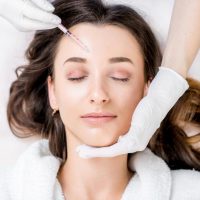
The hydrating facial category has also grown rapidly. Aqua facials use vortex suction technology to cleanse, exfoliate, extract, and hydrate the skin in a single session. These treatments are gentle enough for sensitive skin and produce immediate results, making them popular for people seeking a refreshed look without any downtime.
Are Chemical Peels Still Worth It in 2025?
Yes, chemical peels are still worth it in 2025 because they remain one of the most effective and affordable treatments for improving skin texture, reducing pigmentation, and fighting signs of aging. Chemical peels are among the top three non-surgical facial rejuvenation procedures in countries like the United States, Germany, and Italy, according to research published in the Journal of the European Academy of Dermatology and Venereology.
Modern peels have come a long way from the aggressive phenol treatments of the past. Light peels using glycolic acid or lactic acid require no downtime and can be done during a lunch break. Medium-depth peels using trichloroacetic acid (TCA) produce more dramatic results with just a few days of peeling. A systematic review published in the Journal of the European Academy of Dermatology and Venereology concluded that chemical peels are effective in reducing acne lesions, improving skin texture, and preventing acne recurrence.
For people dealing with skin texture and pore concerns, chemical peels offer a proven, research-backed solution at a fraction of the cost of laser treatments.
How Does Microneedling Improve Your Skin?
Microneedling improves your skin by creating tiny, controlled micro-injuries that trigger the body’s natural healing response, stimulating new collagen and elastin production. This process, also called collagen induction therapy, helps reduce the appearance of wrinkles, acne scars, enlarged pores, and uneven texture. According to the National Center for Biotechnology Information (NCBI), microneedling treatments of the face significantly improve wrinkles, lines, and skin laxity after 90 and 150 days of the first treatment.
The concept behind microneedling is not new. Acupuncture in ancient Asia, first documented around 100 BCE, applied tiny needles to the skin to promote healing. Modern microneedling was first conceptualized in 1905 by a German dermatologist who used dental burs to treat scars. By 1995, a Philadelphia dermatologist developed a more effective technique using hypodermic needles to induce collagen production.
Today, exosome microneedling takes the treatment further by combining micro-injuries with exosome therapy to accelerate skin repair and rejuvenation. The International Society of Aesthetic Plastic Surgery reported that 47% more clinics offered microneedling combined with PRP (platelet-rich plasma) therapies in 2023 compared to 2021, showing how rapidly combination treatments are growing.
What Is the Difference Between a Basic Facial and a Medical Facial?
The difference between a basic facial and a medical facial is the depth of treatment, the active ingredients used, and the clinical results achieved. A basic facial typically involves cleansing, steaming, gentle exfoliation, and moisturizing. It feels relaxing and provides temporary improvement in skin appearance. A medical facial goes deeper by using clinical-grade ingredients and advanced technology to treat specific skin conditions like acne, hyperpigmentation, wrinkles, and lax skin.
Medical facials may include treatments like dermaplaning, which removes dead skin cells and fine vellus hair to reveal smoother skin. They may also incorporate microdermabrasion, which uses fine crystals or a diamond tip to mechanically exfoliate the outer skin layer. Some medical facials include light chemical peels, LED therapy, or high-frequency treatments.
The global skincare market was valued at approximately $184.6 billion in 2024, according to Roots Analysis, and the medSpa segment has been one of the fastest-growing channels for professional facial treatments. MedSpas accounted for nearly 49% of the dermal filler market in 2024, according to Grand View Research. This shift reflects a growing preference for treatments that deliver measurable, clinical results in a comfortable spa-like setting.
How Often Should You Get a Facial Treatment?
How often you should get a facial treatment depends on your skin type, the type of facial, and your specific concerns. For basic maintenance facials, most dermatologists recommend every 4 to 6 weeks, which aligns with the skin’s natural cell turnover cycle. For targeted treatments like chemical peels or microneedling, spacing sessions 4 to 8 weeks apart allows the skin to fully heal and rebuild collagen between sessions.
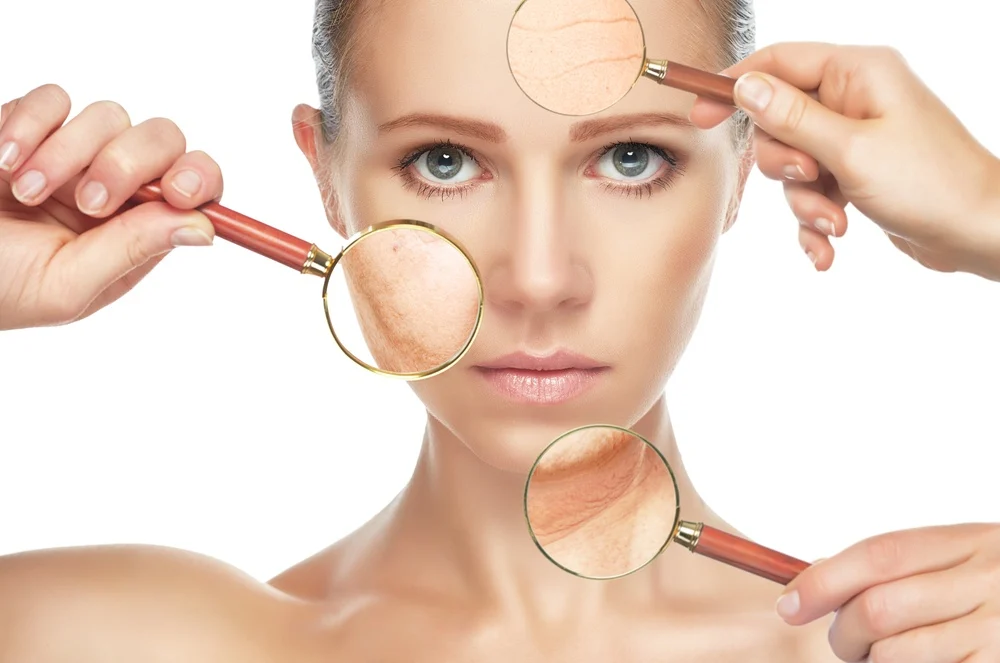
After the age of 20, a person produces about 1% less collagen in the skin each year, according to Scientific American. This gradual decline means that consistent facial treatments become more important with age. By the time someone reaches their 40s, collagen production has slowed significantly, and treatments that stimulate new collagen, like microneedling and radiofrequency, become especially valuable.
A personalized treatment schedule is always the best approach. An experienced provider can evaluate your fine lines and wrinkles, skin tone, texture, and overall goals to build a plan that delivers consistent improvement without over-treating the skin.
What Facial Treatments Help With Aging Skin?
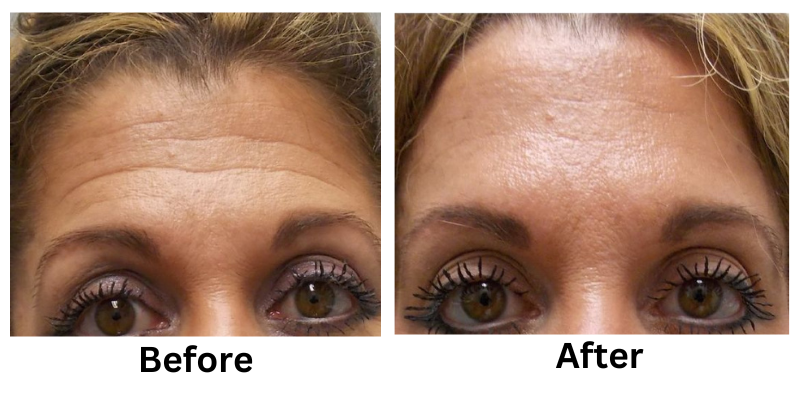
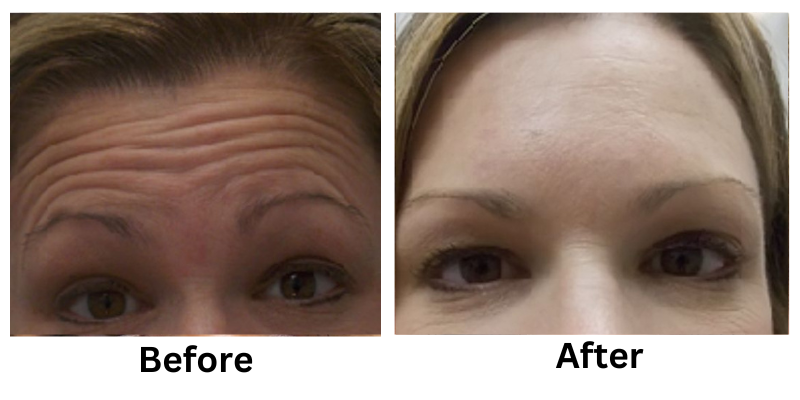
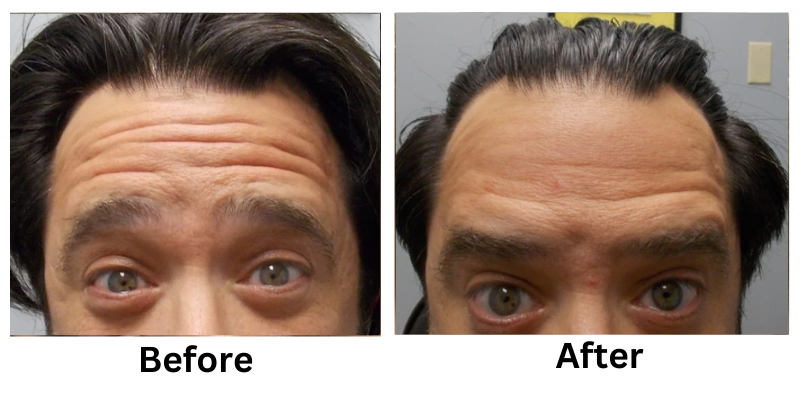
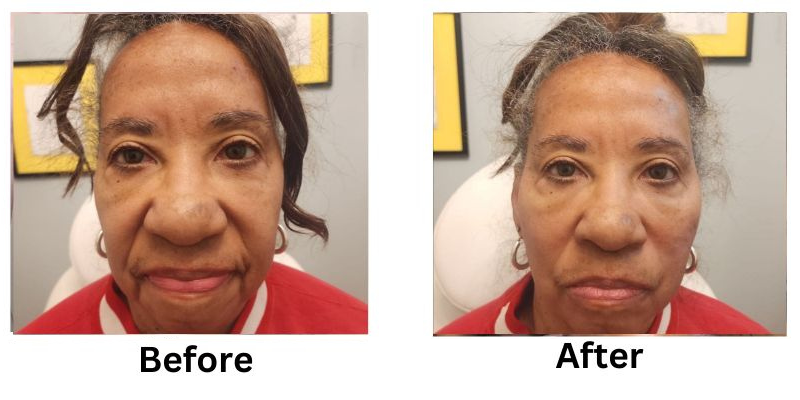
Facial treatments that help with aging skin include microneedling, radiofrequency skin tightening, chemical peels, dermal fillers, neurotoxins, and laser skin resurfacing. Each treatment targets a different aspect of aging. Microneedling and RF treatments stimulate collagen production to improve firmness and elasticity. Chemical peels exfoliate damaged layers to reveal brighter, smoother skin. Fillers restore lost volume in the cheeks, jawline, and around the mouth. Neurotoxins relax the muscles that cause dynamic wrinkles like crow’s feet and forehead lines.
According to the 2024 ASPS report, patients aged 40 to 54 accounted for the largest percentage of cosmetic procedures in the United States. The 2024 data also showed that minimally invasive injectable treatments grew 3% year over year, far outpacing the 1% increase in surgical cosmetic procedures. This trend confirms that more people are choosing non-surgical approaches to address aging.
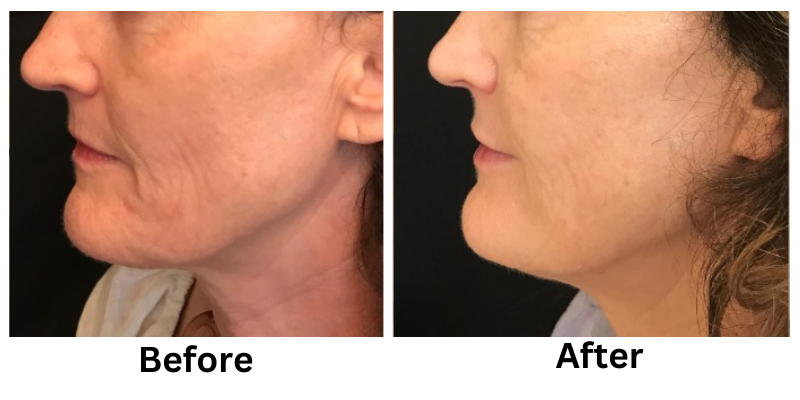
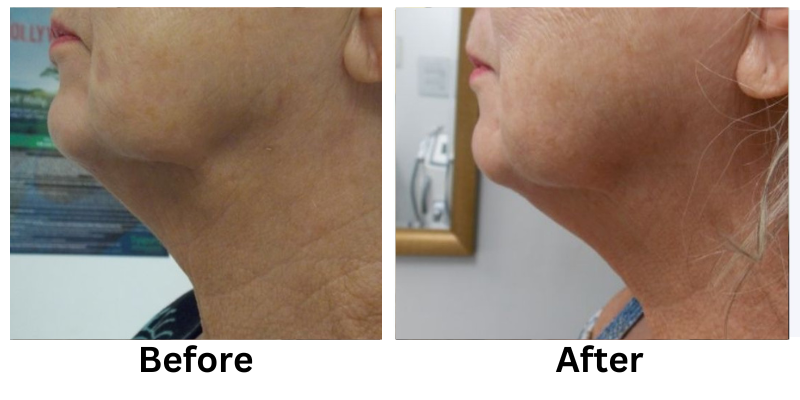
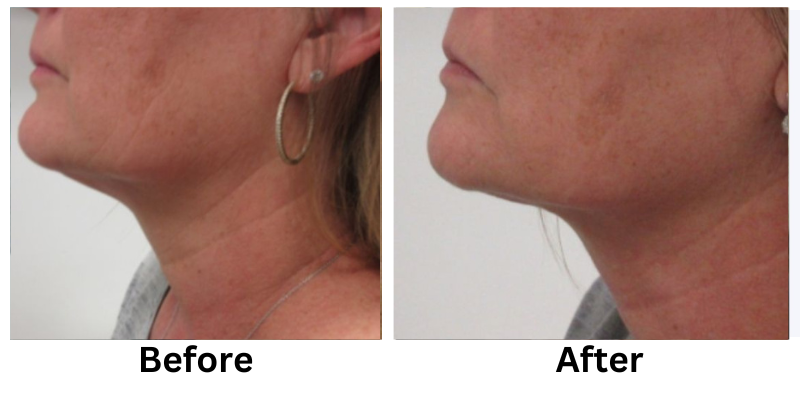
Skin tightening treatments that use radiofrequency or ultrasound energy can firm lax skin without surgery. When combined with injectables like Juvederm fillers for volume and Botox for wrinkle relaxation, patients can achieve a comprehensive rejuvenation plan that addresses multiple signs of aging at once.
| Decade | Key Facial Treatment Advancement | Still Used Today? |
|---|---|---|
| 3000 BCE | Sour milk (lactic acid), honey masks, clay cleansing | Yes, lactic acid and clay remain active ingredients |
| 1860s-1880s | Clinical chemical peels using phenol, salicylic acid, TCA | Yes, TCA and salicylic acid peels are widely performed |
| 1930s | First commercial sunscreen introduced | Yes, daily SPF is a skincare cornerstone |
| 1940s | Jessner peel developed in the U.S. Navy | Yes, Jessner peels are a dermatology staple |
| 1960s | Laser technology enters dermatology | Yes, laser skin resurfacing is a leading treatment |
| 1980s | Microdermabrasion machines, collagen serums | Yes, microdermabrasion remains popular |
| 1990s | Glycolic acid peels, early microneedling concepts | Yes, both are cornerstones of modern aesthetics |
| 2000s | LED light therapy, hydrafacials, Botox FDA approval (2002) | Yes, all three are among the most performed treatments |
| 2010s | RF microneedling, exosome therapy, personalized skincare | Yes, RF microneedling market reached $320M in 2024 |
| 2020s | AI skin analysis, combination protocols, biostimulatory fillers | Yes, these represent the current cutting edge |
Sources: Journal of the European Academy of Dermatology and Venereology; BeautyBio; ASPS 2024 Procedural Statistics Report; Market Research Future; Precedence Research; FDA.
Are At-Home Facial Devices as Effective as Professional Treatments?
No, at-home facial devices are not as effective as professional treatments in most cases. Consumer-grade devices use lower energy settings and shallower needle depths than clinical devices to minimize the risk of injury without professional supervision. Professional treatments at a med spa use medical-grade equipment that can penetrate deeper into the skin and deliver more controlled, powerful results.
At-home microneedling rollers, for example, typically use needles that are 0.25mm or shorter, which can help with product absorption but do little to stimulate meaningful collagen production. Professional microneedling devices use needles ranging from 0.5mm to 2.5mm, reaching depths that trigger the body’s wound-healing response and create new collagen.
At-home devices can serve as a helpful complement to professional treatments, but they are not a replacement. For conditions like lax skin, deep acne scars, or significant volume loss, professional-grade equipment and experienced hands make a measurable difference in outcomes.
What Role Do Injectables Play in Modern Facial Care?
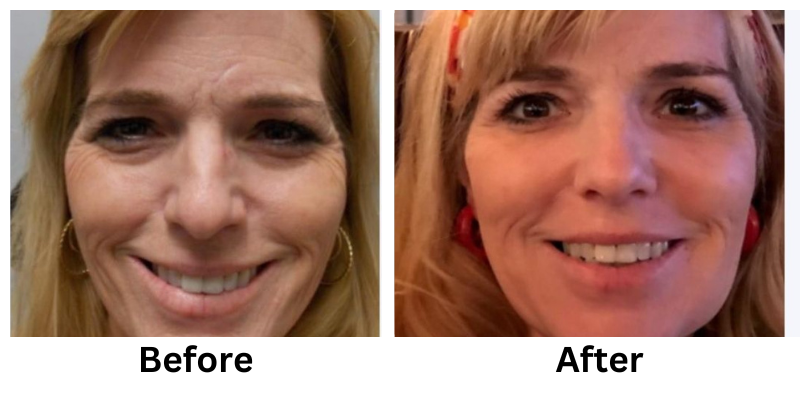
Injectables play a central role in modern facial care by providing non-surgical solutions for wrinkles, volume loss, and facial contouring. According to the 2024 ASPS report, neurotoxin injections and dermal fillers were the top two minimally invasive cosmetic procedures performed in the United States. Neurotoxins like Botox and Xeomin accounted for 9.9 million treatments. Hyaluronic acid fillers like Juvederm, Restylane, and Belotero Balance totaled over 5.3 million procedures.
The global dermal filler market was valued at approximately $5.5 billion in 2024, according to Grand View Research, and is projected to reach $9.9 billion by 2030 at a compound annual growth rate of 10.3%. This growth reflects the increasing preference for non-surgical options that deliver visible results with minimal recovery time.
Biostimulatory fillers like Sculptra and Radiesse represent the newest evolution in injectables. Rather than simply adding volume, they stimulate the body’s own collagen production, creating results that build and improve over time. This approach bridges the gap between traditional fillers and skin-quality treatments, making injectables an integral part of any comprehensive facial care strategy.
Frequently Asked Questions
What Is the Oldest Facial Treatment in History?
The oldest facial treatment in history is the application of sour milk to the skin, which dates back to ancient Egypt around 3000 BCE. Cleopatra famously bathed in donkey milk, which contained lactic acid, an alpha hydroxy acid that exfoliates and smooths the skin. According to BeautyBio, this is the first recorded proof of a skincare regimen. The same ingredient, lactic acid, is still used in professional chemical peels and skincare products today.
How Has the Cost of Facial Treatments Changed Over Time?
The cost of facial treatments has become more accessible over time as technology has advanced and competition has increased. In the early 1900s, professional skincare was available only to the wealthy. Today, treatments like chemical peels and microdermabrasion are available at price points that fit a wide range of budgets. The U.S. skincare products market alone was estimated at $22.9 billion in 2023, according to Grand View Research, reflecting how mainstream professional skincare has become.
What Facial Treatment Is Best for Acne Scars?
The best facial treatment for acne scars is microneedling, especially when combined with radiofrequency energy or platelet-rich plasma (PRP). Microneedling creates controlled micro-injuries that stimulate the body to produce new collagen, filling in depressed scars from the inside. According to a study cited by NCBI, microneedling significantly improves wrinkles, lines, and skin texture within 90 to 150 days. Chemical peels and laser resurfacing are also effective options for treating acne scars depending on the scar type and depth.
Are Facial Treatments Safe for Sensitive Skin?
Yes, facial treatments are safe for sensitive skin when the treatment type and intensity are matched to the individual’s skin tolerance. Gentle options like aqua facials, light chemical peels with lactic acid, and LED light therapy are well-suited for sensitive skin types. A thorough consultation with a trained provider helps identify which treatments are appropriate and which ingredients or energy levels to avoid.
How Long Do Results From Professional Facials Last?
Results from professional facials last anywhere from a few days to several months, depending on the type of treatment. A basic hydrating facial may keep skin glowing for a week. A chemical peel or microneedling session produces improvements in texture and tone that can last 4 to 6 weeks. Injectable treatments like Botox last 3 to 4 months, and dermal fillers can last 6 to 18 months depending on the product used.
What Is the Future of Facial Treatments?
The future of facial treatments lies in personalization, combination protocols, and technology integration. AI-powered skin analysis tools are already being used to create customized treatment plans based on individual skin conditions. In January 2025, L’Oreal unveiled a consumer skin intelligence tool called Cell BioPrint that uses biomarkers and lab-on-a-chip technology to analyze skin at a cellular level. Combination treatments that layer different technologies in a single session, such as RF microneedling with exosome therapy, are also expected to grow as practitioners seek more efficient, comprehensive results.
Do Men Get Facial Treatments?
Yes, men increasingly get facial treatments. According to the 2024 ASPS report, the number of men seeking cosmetic enhancements rose slightly from the prior year. Popular treatments among men include Botox, dermal fillers, and skin resurfacing procedures. The U.S. skincare market projects that demand from male consumers will grow at a compound annual growth rate of 4.6% through 2030, according to Grand View Research, driven by increasing awareness of grooming and skin health.
Final Thoughts
The evolution of facial treatments is a story of human ingenuity that spans more than 5,000 years. From Cleopatra’s sour milk baths to today’s radiofrequency microneedling and biostimulatory fillers, each era has built upon the last to create safer, more effective ways to care for the skin. What started with natural ingredients has grown into a global industry valued at over $100 billion, and the pace of innovation shows no signs of slowing down. The treatments available today can address virtually any skin concern, from fine lines and wrinkles to acne scars, volume loss, and uneven texture.
If you are ready to experience the latest in professional facial care, the team at Slimming Solutions Med Spa offers a full range of treatments designed for every skin type and concern. From advanced facial treatments like chemical peels and microneedling to injectables and skin tightening, every service is tailored to your unique goals. Call today or request a consultation to build a treatment plan that delivers real, visible results.
![[thumb]](https://slimmingsolutionsspa.com/wp-content/uploads/2023/12/botox1-150x150.png)
![[thumb]](https://slimmingsolutionsspa.com/wp-content/uploads/2023/12/Before2-150x150.png)
![[thumb]](https://slimmingsolutionsspa.com/wp-content/uploads/2023/12/Before3-150x150.png)


![[thumb]](https://slimmingsolutionsspa.com/wp-content/uploads/2023/12/revanesse-versa-1-150x150.png)
![[thumb]](https://slimmingsolutionsspa.com/wp-content/uploads/2023/12/revanesse-versa-2-150x150.png)
![[thumb]](https://slimmingsolutionsspa.com/wp-content/uploads/2023/12/revanesse-versa-3-150x150.png)
![[thumb]](https://slimmingsolutionsspa.com/wp-content/uploads/2023/12/revanesse-versa-4-150x150.png)
![[thumb]](https://slimmingsolutionsspa.com/wp-content/uploads/2023/12/revanesse-versa-5-150x150.png)
![[thumb]](https://slimmingsolutionsspa.com/wp-content/uploads/2024/01/Eyebrow-treatment-1-1-150x150.png)
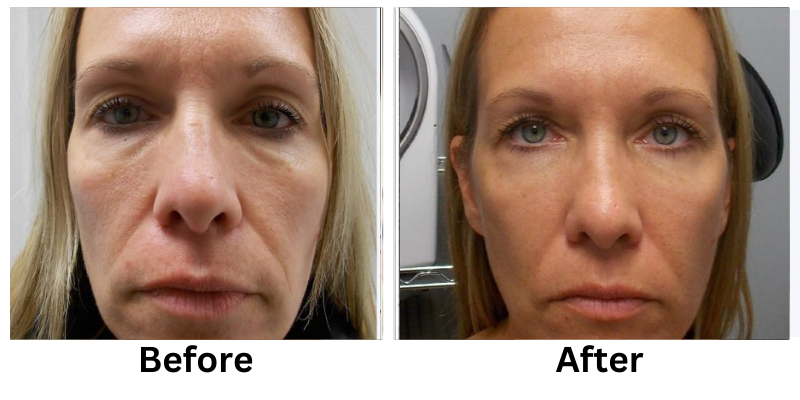
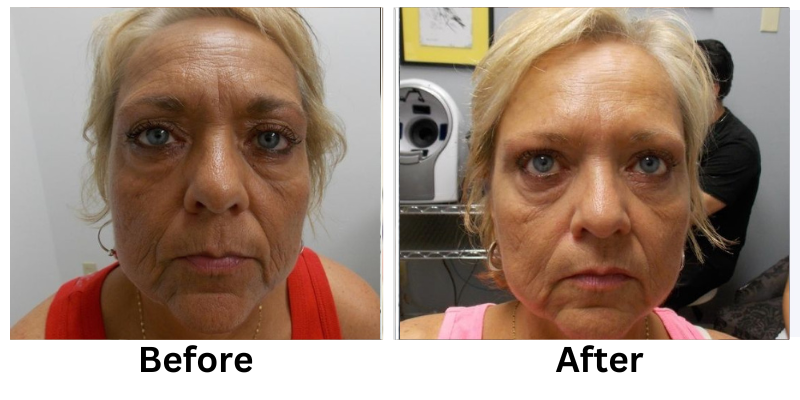
![[thumb]](https://slimmingsolutionsspa.com/wp-content/uploads/2023/12/Skin-Rejuvenation-1-150x150.png)
![[thumb]](https://slimmingsolutionsspa.com/wp-content/uploads/2023/12/Skin-Rejuvenation-2-150x150.png)


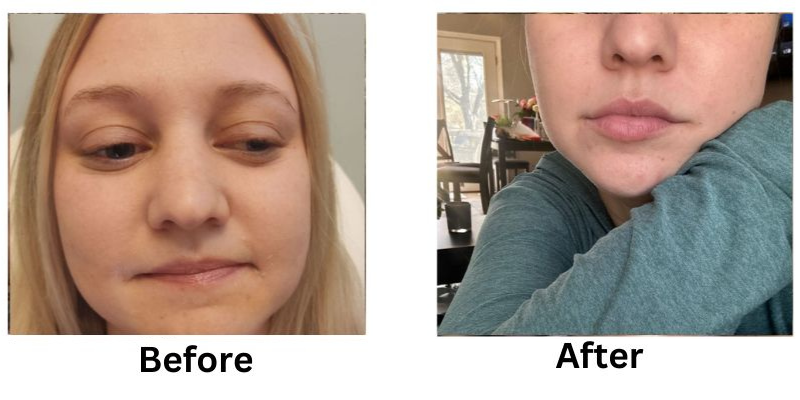
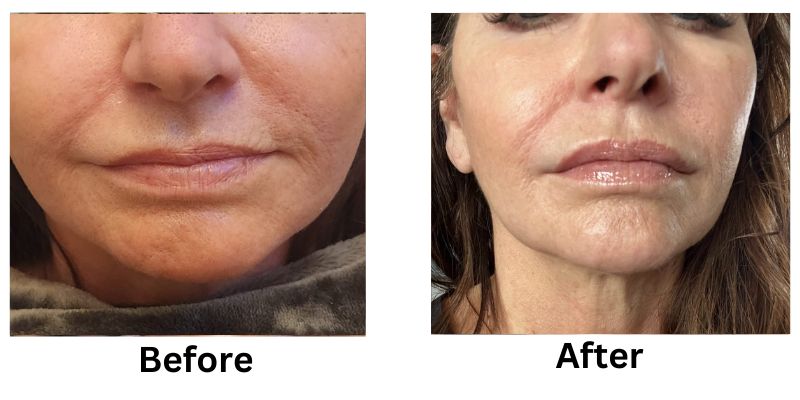
![[thumb]](https://slimmingsolutionsspa.com/wp-content/uploads/2024/01/Lip-Filler-1-150x150.png)
![[thumb]](https://slimmingsolutionsspa.com/wp-content/uploads/2024/01/Lip-Filler-2-150x150.png)
![[thumb]](https://slimmingsolutionsspa.com/wp-content/uploads/2025/02/Lip-Filler-1-150x150.png)
![[thumb]](https://slimmingsolutionsspa.com/wp-content/uploads/2024/01/Lip-Filler-150x150.jpg)
![[thumb]](https://slimmingsolutionsspa.com/wp-content/uploads/2024/01/Before-1-150x150.jpg)

![[thumb]](https://slimmingsolutionsspa.com/wp-content/uploads/2024/01/RHA-Treatmetn-3-150x150.png)
![[thumb]](https://slimmingsolutionsspa.com/wp-content/uploads/2024/01/RHA-Treatmetn-2-150x150.png)
![[thumb]](https://slimmingsolutionsspa.com/wp-content/uploads/2024/01/RHA-Treatmetn-1-150x150.png)
![[thumb]](https://slimmingsolutionsspa.com/wp-content/uploads/2024/01/Thread-Lifts-1-150x150.png)
![[thumb]](https://slimmingsolutionsspa.com/wp-content/uploads/2024/01/Thread-Lifts-2-150x150.png)
![[thumb]](https://slimmingsolutionsspa.com/wp-content/uploads/2025/02/Lip-Filler-2-150x150.png)

![[thumb]](https://slimmingsolutionsspa.com/wp-content/uploads/2023/12/skin-reuvulation1-150x150.png)
![[thumb]](https://slimmingsolutionsspa.com/wp-content/uploads/2023/12/skin-rejuvulation-2-150x150.png)
![[thumb]](https://slimmingsolutionsspa.com/wp-content/uploads/2023/12/Skin-Tighting-150x150.png)
![[thumb]](https://slimmingsolutionsspa.com/wp-content/uploads/2023/12/Before-150x150.jpg)
![[thumb]](https://slimmingsolutionsspa.com/wp-content/uploads/2023/12/weightloss-1-150x150.png)
![[thumb]](https://slimmingsolutionsspa.com/wp-content/uploads/2023/12/weightloss-2-150x150.png)
![[thumb]](https://slimmingsolutionsspa.com/wp-content/uploads/2023/12/2Weight-Loss-2-150x150.png)
![[thumb]](https://slimmingsolutionsspa.com/wp-content/uploads/2025/02/Weight-Loss-1-new-150x150.png)
![[thumb]](https://slimmingsolutionsspa.com/wp-content/uploads/2023/12/Weight-Loss-3-150x150.png)
![[thumb]](https://slimmingsolutionsspa.com/wp-content/uploads/2025/03/Slimming-Solutions-BA-Template-150x150.png)


![[thumb]](https://slimmingsolutionsspa.com/wp-content/uploads/2023/12/dat3-150x150.png)
![[thumb]](https://slimmingsolutionsspa.com/wp-content/uploads/2023/12/dat-0-150x150.png)
![[thumb]](https://slimmingsolutionsspa.com/wp-content/uploads/2023/12/dat-1-150x150.png)
![[thumb]](https://slimmingsolutionsspa.com/wp-content/uploads/2023/12/Before-1-150x150.png)

![[thumb]](https://slimmingsolutionsspa.com/wp-content/uploads/2024/01/EMS-Treatment-2-150x150.png)
![[thumb]](https://slimmingsolutionsspa.com/wp-content/uploads/2024/01/EMS-Treatment-1-150x150.png)
![[thumb]](https://slimmingsolutionsspa.com/wp-content/uploads/2025/02/ems-BNA-front-150x150.png)
![[thumb]](https://slimmingsolutionsspa.com/wp-content/uploads/2025/02/EMS-bna-SIDE-150x150.png)
![[thumb]](https://slimmingsolutionsspa.com/wp-content/uploads/2024/01/EMS-Treatment-6-150x150.png)