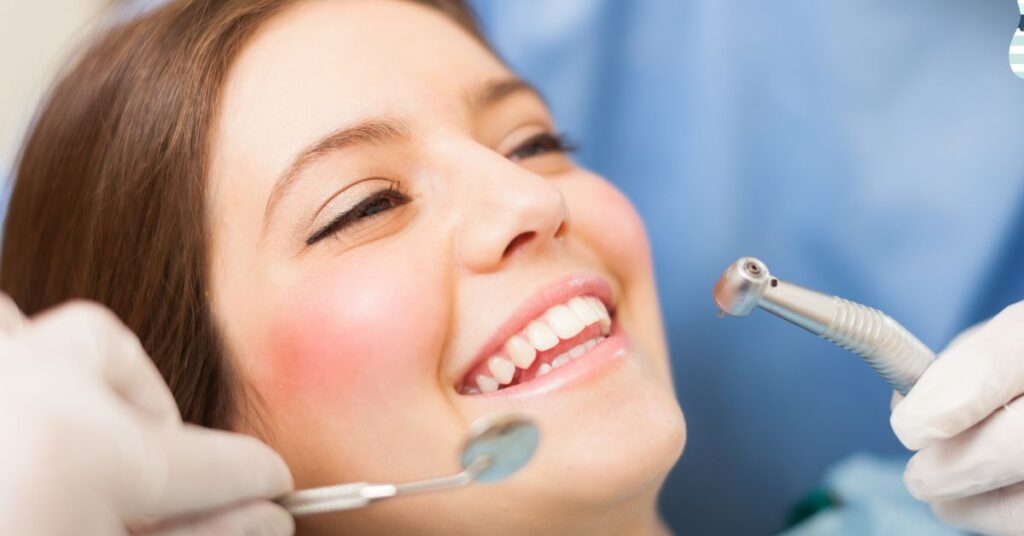
You can avoid dermaplaning regret by choosing a licensed professional, making sure your skin type is a good match for the treatment, and following the right aftercare steps. Dermaplaning is a safe, non-invasive exfoliation procedure that removes dead skin cells and fine vellus hair (peach fuzz) using a sterile surgical blade. According to Grand View Research, the global dermaplaning tools market was valued at $612.2 million in 2023 and is growing at 7.4% annually, driven by the rising popularity of non-invasive skincare treatments. But while most people love the results, some experience regret from breakouts, irritation, or unrealistic expectations about hair regrowth. This guide covers the most common reasons people regret dermaplaning, how to prevent every one of them, and what to do if something goes wrong.
Does Anyone Regret Dermaplaning?
Yes, some people regret dermaplaning, but it is not common when the procedure is done correctly by a trained professional. Most dermaplaning regret comes from three things: unrealistic expectations about hair regrowth, breakouts caused by improper technique or aftercare, and irritation from at-home attempts with non-professional tools. According to a YouGov survey conducted in May 2024, 11% of women and 2% of men have used dermaplaning on their faces, and the vast majority report positive experiences when the treatment is performed in a professional setting.
The fear of hair growing back thicker is the single biggest source of dermaplaning anxiety. But according to a 2007 analysis published in the British Medical Journal (referenced by Health Grades), shaving does not affect hair thickness or rate of regrowth. The procedure cuts hair at the surface without disturbing the follicle, so the hair grows back exactly the same as before. The blunt tip of the regrown hair can feel slightly different for a few days, but this is temporary and not a sign that the hair has changed.
Choosing a licensed esthetician or dermatologist for your treatment is the single best way to avoid regret. Clients who want professional-grade exfoliation without the risks of DIY tools can explore the full menu of facial treatments to find the best fit for their skin.
Does Dermaplaning Grow Back Stubbly?
No, dermaplaning does not grow back stubbly. The fine vellus hair (peach fuzz) that is removed during dermaplaning grows back soft and translucent, exactly the same as it was before the treatment. According to WebMD, it is a myth that hair grows back thicker or darker after dermaplaning. The temporary sensation of stubble happens because the hair is cut with a blunt tip at the skin surface, but once it grows a bit longer, it returns to its usual soft texture.
Dermaplaning only removes vellus hair, not terminal hair. Vellus hair is the fine, light, barely visible hair that covers most of the face. Terminal hair is the thicker, darker hair found on the scalp, eyebrows, and other areas. Because dermaplaning targets vellus hair exclusively, it is scientifically impossible for the treatment to make peach fuzz grow back thicker or darker. According to board-certified dermatologists cited on RealSelf, dermaplaning does not affect the hair cycle, which is regulated by cells deep within each follicle.
Will My Face Go Back to Normal After Dermaplaning?
Yes, your face will go back to normal after dermaplaning. The treatment removes only the outermost layer of dead skin cells and fine hair. Your skin regenerates those cells naturally, and the vellus hair grows back on its normal cycle within 3 to 4 weeks. Any redness or sensitivity after the procedure typically resolves within a few hours to one day.
If you decide to stop dermaplaning after trying it, your skin and hair will return to their pre-treatment state. There is no lasting change to the skin structure, hair follicles, or growth patterns. The treatment is fully reversible, which is one of the reasons it has become so popular. According to Cleveland Clinic, dermaplaning is a minimally invasive cosmetic procedure, and the skin heals quickly with proper aftercare.
Why Is My Face Hairier After Dermaplaning?
Your face is not actually hairier after dermaplaning. It only feels that way because you are more aware of the hair growing back after experiencing completely smooth skin. Before dermaplaning, the fine peach fuzz blended into your skin and you barely noticed it. After experiencing a hair-free face, the regrowth feels more noticeable by comparison, even though the hair is exactly the same thickness and color as before.
According to the Mayo Clinic (referenced by Make My Shave), hair that has been cut bluntly at the surface may feel slightly coarse or stubbly as it starts to regrow, but it is not actually thicker or darker. Professional practitioners confirm that out of hundreds of clients, none experienced hair growing back worse after dermaplaning. It is 100% physiologically impossible for dermaplaning to turn vellus hair into thick, dark terminal hair. Only hormonal changes, such as conditions like PCOS, can cause that kind of transformation.
Does Dermaplaning Make Peach Fuzz Grow Back Thicker?
No, dermaplaning does not make peach fuzz grow back thicker. This is one of the most persistent myths in skincare, and it has been thoroughly debunked by dermatologists. According to WebMD, the hair grows back at the same thickness and color because the procedure does not affect the hair follicle. A 2007 clinical analysis of research surrounding this myth, published in the British Medical Journal, confirmed that shaving does not change the thickness, color, or rate of hair regrowth.
The confusion comes from the blunt tip created when the hair is cut at the surface. Natural, untouched vellus hair has a fine, tapered tip that feels soft. When dermaplaning cuts the hair, it creates a flat edge that can feel slightly different for a few days as it regrows. This is a tactile difference, not an actual change in the hair itself. Within a week or two, the hair softens and feels exactly the same as before the treatment.
Is Dermaplaning Your Whole Face Bad?
No, dermaplaning your whole face is not bad when done by a trained professional. The treatment is designed for the entire face, including the forehead, cheeks, chin, nose, and upper lip. A skilled esthetician knows exactly how much pressure to apply and which areas to avoid, such as active acne breakouts, moles, and the hairline.
Dermaplaning your whole face becomes a problem only when it is done at home with improper tools, too much pressure, or on skin that is not a good candidate. According to Healthline, an experienced practitioner named Swierczynska warns that an inexperienced provider or DIY attempt can accidentally remove hair from the hairline or eyebrows. The safest approach is to have the procedure done by a licensed professional who can assess your skin and customize the treatment. Clients with active acne, eczema, rosacea, or cold sore outbreaks should avoid dermaplaning until those conditions are under control.
Do You Have to Do Dermaplaning Forever if You Start?
No, you do not have to do dermaplaning forever if you start. Dermaplaning is not a commitment. If you stop, your skin and hair simply return to their natural state. The vellus hair grows back on its normal cycle, and the dead skin cells accumulate as they normally would. There is no rebound effect, no withdrawal period, and no permanent change to your skin or hair.
Most people who enjoy dermaplaning choose to repeat the treatment every 3 to 4 weeks to maintain the smooth, glowing results. But this is optional maintenance, not a requirement. According to the dermaplaning tools market analysis by Grand View Research, the U.S. market alone generated $184.4 million in revenue in 2024, reflecting a strong consumer preference for this treatment as a regular part of their skincare routine, not a one-time obligation.
Can I Just Shave My Face Instead of Dermaplaning?
You can shave your face instead of dermaplaning to remove peach fuzz, but the two procedures are not the same. Regular facial shaving with a standard razor only cuts hair at the skin level and does not remove dead skin cells. Dermaplaning uses a sterile surgical blade held at a precise 45-degree angle to simultaneously exfoliate the skin and remove fine hair. This dual action is what creates the signature glow, improved product absorption, and smoother makeup application that dermaplaning is known for.
According to WebMD, if removing hair is your only concern, shaving is a fine option. But if you want to improve overall skin texture, brightness, and product penetration, professional dermaplaning delivers significantly better results. The exfoliation component is the key difference. Clients who want a comprehensive skin-smoothing treatment can combine dermaplaning with other treatments like a chemical peel for enhanced results.
Is Dermaplaning Basically Shaving?
No, dermaplaning is not basically shaving. Dermaplaning is a professional exfoliation treatment that uses a sterile, medical-grade surgical scalpel to remove both the outermost layer of dead skin cells and fine vellus hair at the same time. Regular shaving uses a standard razor that only cuts hair at the skin surface without providing any exfoliation.
According to Cleveland Clinic, dermaplaning, dermabrasion, and microdermabrasion are all classified as skin resurfacing procedures, while regular shaving is not. The surgical blade used in dermaplaning is sharper and more precise than a consumer razor, which is why it should only be used by a trained professional. The exfoliation benefit is the primary difference. After dermaplaning, skincare products absorb more effectively, skin looks brighter and more radiant, and makeup goes on smoother. A standard razor cannot deliver these benefits.
What Happens When I Stop Dermaplaning?
When you stop dermaplaning, your face returns to its pre-treatment state over the next 3 to 4 weeks. The vellus hair grows back at its normal rate and texture, and dead skin cells begin to accumulate on the surface again as part of the natural skin cycle. You may notice that your skin looks slightly less radiant or that makeup does not apply as smoothly, but there are no negative consequences to stopping.
Dermaplaning does not create a dependency. It does not thin the skin, weaken the skin barrier, or alter hair growth in any way. According to multiple board-certified dermatologists cited on RealSelf, vellus hairs on the face always grow back exactly the same after dermaplaning. If you enjoyed the smooth results but want to try a different approach, alternatives like microdermabrasion or a light chemical peel can provide similar exfoliation benefits.
Do Most People Break Out After Dermaplaning?
No, most people do not break out after dermaplaning. Breakouts after dermaplaning are uncommon when the procedure is performed correctly by a trained professional using sterile tools and proper technique. When breakouts do occur, they are usually caused by one of three things: bacteria introduced by unclean tools, irritation from too much pressure, or the uncovering of existing acne that was hidden beneath the dead skin layer.
According to WebMD, bacteria from a current breakout can spread to other areas of the skin during dermaplaning, which is why the treatment is best avoided during an active acne flare-up. Proper aftercare also plays a role in preventing breakouts. Using gentle, non-comedogenic products for the first 24 to 48 hours after the treatment, avoiding heavy makeup, and applying sunscreen are all important steps. Clients with acne-prone skin should discuss their concerns with their provider during the consultation.
Does Dermaplaning Make Hair Stubble?
No, dermaplaning does not make hair stubble in the way that shaving body hair does. Vellus hair (peach fuzz) is naturally fine and light. When it regrows after dermaplaning, it grows back soft and barely noticeable. The temporary sensation of a slightly blunt tip in the first few days of regrowth is not the same as the stubble you get from shaving thick terminal hair on the legs or underarms.
According to Advanced Body & Laser Center, hair regrowth after dermaplaning typically begins within 3 to 4 weeks, and it feels exactly the same as it did before treatment. Unlike shaving thicker body hair, dermaplaning does not result in coarse regrowth or a stubbly feel. The distinction between vellus and terminal hair is the key. Dermaplaning only affects the fine peach fuzz, and fine hair always grows back fine.
How Do Koreans Remove Facial Hair?
Koreans remove facial hair primarily through dermaplaning (called “facial shaving” in Korean beauty routines), threading, and laser hair removal. Facial shaving has been a standard part of Korean skincare routines for decades, long before it became popular in Western beauty culture. Korean women use single-blade facial razors to remove peach fuzz and dead skin cells, often as a prep step before applying skincare products and makeup.
The Korean approach to facial hair removal emphasizes gentle, regular maintenance rather than aggressive one-time treatments. Many Korean beauty brands sell facial razors specifically designed for safe at-home use, with features like safety guards and ergonomic handles. For clients who want professional-level results, in-clinic dermaplaning or laser hair removal offers a longer-lasting solution for unwanted facial hair.
What Is the Healthiest Way to Remove Facial Hair?
The healthiest way to remove facial hair is professional dermaplaning because it uses a sterile blade to gently remove hair without chemicals, heat, or pulling at the follicle. It does not cause the inflammation that waxing does, it does not use potentially irritating chemicals like depilatory creams, and it provides the added benefit of exfoliation that other hair removal methods do not offer.
According to Cleveland Clinic, dermaplaning can help reduce the appearance of acne scars and fine lines while removing unwanted hair, making it both a hair removal and skin rejuvenation treatment in one. For long-term hair reduction, laser hair removal targets the follicle to reduce hair growth over time, but it requires multiple sessions and does not provide the exfoliation benefit. Threading is another gentle option but only removes hair without exfoliating. The healthiest choice depends on your skin type, sensitivity, and goals. Clients exploring their options can discuss all facial hair removal methods during a consultation with a professional at a med spa.
Should a Woman Shave the Peach Fuzz on Her Face?
Yes, a woman can safely shave the peach fuzz on her face if she wants to. There is no medical reason to avoid it. According to WebMD and the Mayo Clinic, shaving facial hair does not make it grow back thicker, darker, or faster. The practice has been common in Korean and Japanese beauty routines for decades and is supported by dermatologists worldwide.
The benefits of removing peach fuzz include smoother skin, better makeup application, improved absorption of skincare products, and a brighter overall complexion. The decision is purely personal. Some women prefer the smooth feel and enhanced glow that comes from removing peach fuzz, while others are perfectly comfortable leaving it alone. Neither choice is right or wrong. For women who want professional-level results with exfoliation included, dermaplaning at a med spa is the best option.
What Happens When Peach Fuzz Grows Back?
When peach fuzz grows back after dermaplaning, it returns to its original texture, color, and thickness within 3 to 4 weeks. The hair grows back soft and fine, exactly as it was before the treatment. According to board-certified dermatologists on RealSelf, dermaplaning does not affect the hair follicle or the cells that regulate the hair growth cycle, so there is no change to the hair itself.
During the first few days of regrowth, you may notice the hair feels slightly different because the tip has been bluntly cut. This is not stubble. Within a week, the hair softens and becomes barely noticeable again. If you want to maintain the completely smooth feel, you can schedule another dermaplaning session every 3 to 4 weeks.
Can You Dermaplane Once and Never Again?
Yes, you can dermaplane once and never again with no negative consequences. Your skin and hair will simply return to their natural state. There is no dependency, no rebound effect, and no permanent change from a single treatment. Many people try dermaplaning once to see how their skin responds and then decide whether to continue.
A single session provides immediate benefits: brighter skin, smoother texture, and improved product absorption. These effects last about 3 to 4 weeks before the dead skin cells and peach fuzz grow back. If you choose not to repeat the treatment, your skin goes back to exactly how it was before. According to the global facial treatment market analysis by Market Data Forecast, the facial treatment industry was valued at $1.23 billion in 2024, with dermaplaning being one of the most popular entry-level treatments because of its simplicity and zero long-term commitment.
What Is the Best Way to Remove Facial Hair on an Older Woman?
The best way to remove facial hair on an older woman is professional dermaplaning because it simultaneously removes unwanted hair, exfoliates dead skin cells, and can reduce the appearance of fine lines and sun damage. According to Cleveland Clinic, dermaplaning can make the skin look younger, though it does not stop the aging process.
Mature skin is often thinner, drier, and more sensitive than younger skin, so gentle methods are essential. Dermaplaning is one of the gentlest professional hair removal options because it does not involve chemicals, heat, or pulling at the skin. It also prepares the skin to absorb anti-aging serums and moisturizers more effectively, which is especially valuable for mature skin that needs deeper hydration. Women over 50 who are also concerned about fine lines and wrinkles may benefit from combining dermaplaning with other facial rejuvenation treatments.
Dermaplaning Myths vs. Facts
| Myth | Fact | Source |
|---|---|---|
| Hair grows back thicker after dermaplaning | Hair grows back at the same thickness and color; dermaplaning does not affect the follicle | WebMD, Mayo Clinic, British Medical Journal (2007) |
| Dermaplaning causes stubble | Vellus hair grows back soft and fine within 3-4 weeks; it is not the same as terminal hair stubble | Cleveland Clinic, RealSelf board-certified dermatologists |
| You are trapped once you start dermaplaning | You can stop at any time; skin and hair return to pre-treatment state with no rebound effects | Cleveland Clinic, WebMD |
| Dermaplaning is the same as shaving | Dermaplaning uses a surgical scalpel to exfoliate skin and remove hair; shaving only cuts hair | Cleveland Clinic |
| Dermaplaning causes breakouts | Breakouts are uncommon with sterile tools and proper technique; most result from unclean tools or at-home attempts | WebMD, Healthline |
| Dermaplaning is bad for your skin | Dermaplaning is a safe, non-invasive treatment that improves texture, brightness, and product absorption when done by a professional | Cleveland Clinic, American Society of Plastic Surgeons |
Sources: WebMD, Cleveland Clinic, Mayo Clinic, British Medical Journal, Healthline, RealSelf, Grand View Research, YouGov (2024 survey)
How to Avoid Dermaplaning Regret
The best way to avoid dermaplaning regret is to follow these steps before, during, and after your treatment. First, choose a licensed esthetician or dermatologist who has specific training in dermaplaning technique. An experienced provider knows the right blade angle, pressure, and speed for each area of the face. Second, make sure your skin is a good candidate. You should not get dermaplaning if you have active acne, cold sores, eczema, rosacea, or any open wounds on your face. According to Cleveland Clinic, patients taking isotretinoin should wait 6 months after stopping the medication before trying dermaplaning.
Third, avoid at-home dermaplaning with non-professional tools. While at-home kits are widely available, the risk of cuts, infection, and uneven results is significantly higher without professional training. According to Healthline, one patient who attempted at-home dermaplaning on facial moles ended up in the emergency room with an open bleeding wound and stitches.
Fourth, follow proper aftercare. After dermaplaning, avoid retinoids and physical scrubs for 2 to 3 days, skip makeup for 24 hours, and wear SPF 30 or higher sunscreen daily. The new skin exposed by dermaplaning is more sensitive to UV damage, so sun protection is critical. Clients who want to pair dermaplaning with a deeper treatment can ask about combining it with a BioRePeel or a light chemical peel for enhanced exfoliation and brightening.
Frequently Asked Questions
Does Dermaplaning Grow Back Stubbly?
No, dermaplaning does not grow back stubbly. The fine vellus hair (peach fuzz) removed during dermaplaning grows back soft, fine, and the same color as before. According to WebMD, it is a myth that hair grows back thicker or darker after dermaplaning. The blunt tip created by cutting the hair at the surface can feel slightly different for the first few days, but once the hair grows a bit longer, it feels exactly the same. Only hormonal changes can cause vellus hair to convert to thicker terminal hair.
Is Dermaplaning Worth It?
Yes, dermaplaning is worth it for most people who want smoother skin, better product absorption, and a brighter complexion. The treatment takes about 30 minutes, involves no downtime, and provides instant results. According to Grand View Research, the global dermaplaning tools market was valued at over $612 million in 2023 and is growing at 7.4% annually, reflecting strong and increasing consumer satisfaction. The treatment is especially worth it as a prep step before special events, makeup application, or other facial treatments.
Who Should Not Get Dermaplaning?
People who should not get dermaplaning include those with active acne or breakouts, active cold sore outbreaks, eczema or rosacea in the treatment area, raised moles or skin tags on the face, skin burns or rashes, or those currently taking isotretinoin. According to Cleveland Clinic, patients with these conditions should wait until the skin clears before trying dermaplaning. A consultation with a trained provider can determine if the treatment is safe for your specific skin type and condition.
How Often Should You Get Dermaplaning?
You should get dermaplaning every 3 to 4 weeks for ongoing maintenance. This timing aligns with the natural skin cell turnover cycle and the regrowth cycle of vellus hair. According to WebMD, most people can safely repeat the treatment monthly. Some clients get dermaplaning less frequently and only schedule sessions before special events or when they want a skin refresh. There is no minimum frequency requirement.
Can Dermaplaning Cause Scarring?
Dermaplaning can cause scarring in very rare cases, typically when the procedure is performed by an untrained person, done at home on skin growths like moles, or conducted with non-sterile tools. According to Health Grades, infection and scarring from dermaplaning are rare but possible. Some people may have a reaction that produces scar tissue. To minimize this risk, always choose a licensed professional who uses sterile, medical-grade instruments in a clean clinical environment.
Is Dermaplaning Safe for Sensitive Skin?
Dermaplaning is generally safe for sensitive skin when performed by an experienced provider who adjusts their technique to your skin’s needs. The treatment does not use chemicals, heat, or suction, making it one of the gentlest professional exfoliation methods available. However, clients with extremely reactive skin, active rosacea, or eczema should consult a dermatologist before trying dermaplaning. A patch test or a small treatment area can help determine how your skin will respond. Clients with sensitive skin who want an alternative exfoliation option can explore an aqua facial, which uses hydration-based technology for gentle resurfacing.
What Should I Put on My Face After Dermaplaning?
After dermaplaning, you should put a hydrating serum (like hyaluronic acid), a gentle fragrance-free moisturizer, and a broad-spectrum SPF 30 or higher sunscreen on your face. These three products protect the freshly exfoliated skin, lock in moisture, and prevent UV damage. Avoid retinoids, exfoliating acids, physical scrubs, and heavy makeup for at least 24 to 48 hours after the treatment. According to Healthline, using a hairdryer near the forehead should also be avoided since the freshly exfoliated skin is more prone to burns.
Final Thoughts
Dermaplaning regret is almost entirely preventable. The most common fears, like hair growing back thicker, being trapped in a cycle, or experiencing breakouts, are all myths or problems that only occur when the treatment is done incorrectly. According to the Mayo Clinic and multiple board-certified dermatologists, dermaplaning does not change hair thickness, color, or growth rate. According to Cleveland Clinic, it is a safe, minimally invasive procedure with minimal side effects when performed by a trained professional.
The key to a great dermaplaning experience is choosing the right provider, making sure your skin is a good candidate, and following proper aftercare. Slimming Solutions Med Spa offers professional dermaplaning treatments performed by experienced, trained staff who customize every session to your skin type and concerns. Call today or request a consultation to experience smoother, brighter skin with zero regret.
![[thumb]](https://slimmingsolutionsspa.com/wp-content/uploads/2023/12/botox1-150x150.png)
![[thumb]](https://slimmingsolutionsspa.com/wp-content/uploads/2023/12/Before2-150x150.png)
![[thumb]](https://slimmingsolutionsspa.com/wp-content/uploads/2023/12/Before3-150x150.png)


![[thumb]](https://slimmingsolutionsspa.com/wp-content/uploads/2023/12/revanesse-versa-1-150x150.png)
![[thumb]](https://slimmingsolutionsspa.com/wp-content/uploads/2023/12/revanesse-versa-2-150x150.png)
![[thumb]](https://slimmingsolutionsspa.com/wp-content/uploads/2023/12/revanesse-versa-3-150x150.png)
![[thumb]](https://slimmingsolutionsspa.com/wp-content/uploads/2023/12/revanesse-versa-4-150x150.png)
![[thumb]](https://slimmingsolutionsspa.com/wp-content/uploads/2023/12/revanesse-versa-5-150x150.png)
![[thumb]](https://slimmingsolutionsspa.com/wp-content/uploads/2024/01/Eyebrow-treatment-1-1-150x150.png)
![[thumb]](https://slimmingsolutionsspa.com/wp-content/uploads/2023/12/Skin-Rejuvenation-1-150x150.png)
![[thumb]](https://slimmingsolutionsspa.com/wp-content/uploads/2023/12/Skin-Rejuvenation-2-150x150.png)


![[thumb]](https://slimmingsolutionsspa.com/wp-content/uploads/2024/01/Lip-Filler-1-150x150.png)
![[thumb]](https://slimmingsolutionsspa.com/wp-content/uploads/2024/01/Lip-Filler-2-150x150.png)
![[thumb]](https://slimmingsolutionsspa.com/wp-content/uploads/2025/02/Lip-Filler-1-150x150.png)
![[thumb]](https://slimmingsolutionsspa.com/wp-content/uploads/2024/01/Lip-Filler-150x150.jpg)
![[thumb]](https://slimmingsolutionsspa.com/wp-content/uploads/2024/01/Before-1-150x150.jpg)

![[thumb]](https://slimmingsolutionsspa.com/wp-content/uploads/2024/01/RHA-Treatmetn-3-150x150.png)
![[thumb]](https://slimmingsolutionsspa.com/wp-content/uploads/2024/01/RHA-Treatmetn-2-150x150.png)
![[thumb]](https://slimmingsolutionsspa.com/wp-content/uploads/2024/01/RHA-Treatmetn-1-150x150.png)
![[thumb]](https://slimmingsolutionsspa.com/wp-content/uploads/2024/01/Thread-Lifts-1-150x150.png)
![[thumb]](https://slimmingsolutionsspa.com/wp-content/uploads/2024/01/Thread-Lifts-2-150x150.png)
![[thumb]](https://slimmingsolutionsspa.com/wp-content/uploads/2025/02/Lip-Filler-2-150x150.png)

![[thumb]](https://slimmingsolutionsspa.com/wp-content/uploads/2023/12/skin-reuvulation1-150x150.png)
![[thumb]](https://slimmingsolutionsspa.com/wp-content/uploads/2023/12/skin-rejuvulation-2-150x150.png)
![[thumb]](https://slimmingsolutionsspa.com/wp-content/uploads/2023/12/Skin-Tighting-150x150.png)
![[thumb]](https://slimmingsolutionsspa.com/wp-content/uploads/2023/12/Before-150x150.jpg)
![[thumb]](https://slimmingsolutionsspa.com/wp-content/uploads/2023/12/weightloss-1-150x150.png)
![[thumb]](https://slimmingsolutionsspa.com/wp-content/uploads/2023/12/weightloss-2-150x150.png)
![[thumb]](https://slimmingsolutionsspa.com/wp-content/uploads/2023/12/2Weight-Loss-2-150x150.png)
![[thumb]](https://slimmingsolutionsspa.com/wp-content/uploads/2025/02/Weight-Loss-1-new-150x150.png)
![[thumb]](https://slimmingsolutionsspa.com/wp-content/uploads/2023/12/Weight-Loss-3-150x150.png)
![[thumb]](https://slimmingsolutionsspa.com/wp-content/uploads/2025/03/Slimming-Solutions-BA-Template-150x150.png)


![[thumb]](https://slimmingsolutionsspa.com/wp-content/uploads/2023/12/dat3-150x150.png)
![[thumb]](https://slimmingsolutionsspa.com/wp-content/uploads/2023/12/dat-0-150x150.png)
![[thumb]](https://slimmingsolutionsspa.com/wp-content/uploads/2023/12/dat-1-150x150.png)
![[thumb]](https://slimmingsolutionsspa.com/wp-content/uploads/2023/12/Before-1-150x150.png)

![[thumb]](https://slimmingsolutionsspa.com/wp-content/uploads/2024/01/EMS-Treatment-2-150x150.png)
![[thumb]](https://slimmingsolutionsspa.com/wp-content/uploads/2024/01/EMS-Treatment-1-150x150.png)
![[thumb]](https://slimmingsolutionsspa.com/wp-content/uploads/2025/02/ems-BNA-front-150x150.png)
![[thumb]](https://slimmingsolutionsspa.com/wp-content/uploads/2025/02/EMS-bna-SIDE-150x150.png)
![[thumb]](https://slimmingsolutionsspa.com/wp-content/uploads/2024/01/EMS-Treatment-6-150x150.png)