Yes, chemical peels work for acne scars by removing damaged skin layers, stimulating collagen production, and promoting the growth of smoother, more evenly textured skin. They are most effective for post-inflammatory hyperpigmentation (dark marks left by acne) and mild to moderate atrophic scars (shallow depressions in the skin). According to a study published in the Journal of Clinical and Aesthetic Dermatology, serial glycolic acid peels at 35% to 70% concentration significantly improved superficial scarring and pigmentation over 6 sessions. A separate study published in Dermatologic Surgery found that TCA CROSS technique (applying high-strength trichloroacetic acid directly into ice-pick scars) produced over 70% improvement after four sessions. While chemical peels cannot completely eliminate deep, pitted acne scars on their own, they are a proven, affordable, and effective part of a multi-treatment approach to acne scar improvement.
Are Chemical Peels Worth It for Acne Scars?
Yes, chemical peels are worth it for acne scars, especially for people with post-acne dark marks, shallow rolling scars, and overall uneven skin texture. According to a systematic review published in the Pakistan Journal of Medical and Surgical Aesthetics (2025), which analyzed 10 prospective clinical trials from 2000 to 2025, chemical peels are a safe and effective treatment option for acne and post-acne scars. The review found that glycolic acid, salicylic-mandelic acid, Jessner’s solution, lactic acid, and trichloroacetic acid all demonstrated varying degrees of success in reducing active acne, post-inflammatory hyperpigmentation, and superficial scarring.
Chemical peels are worth it because they are affordable compared to laser treatments, require minimal downtime (especially light peels), and can be combined with other procedures for enhanced results. According to Technavio, the global chemical peel market is estimated to grow by $814.4 million from 2024 to 2028, driven by rising demand for accessible acne scar treatments. Patients who invest in a series of 4 to 6 peels with proper aftercare typically see significant improvement in both scar visibility and overall skin quality.
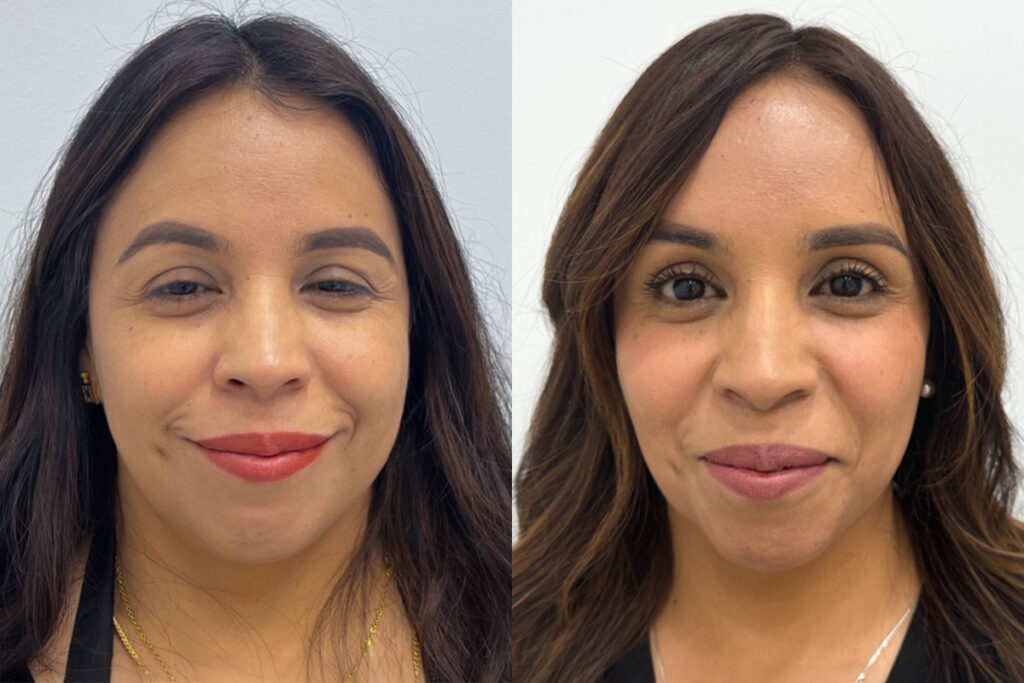
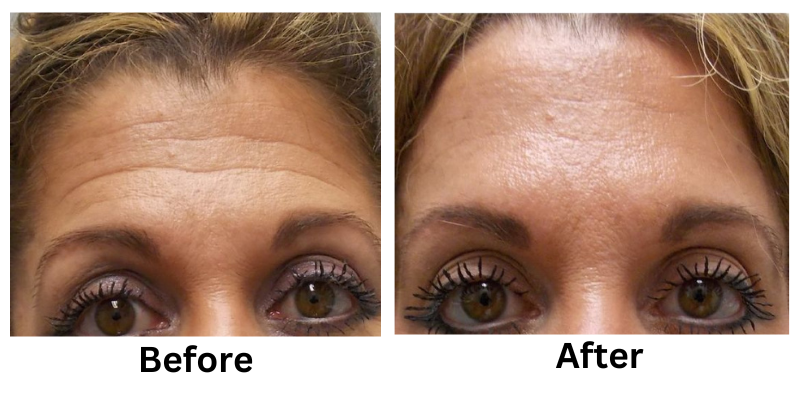
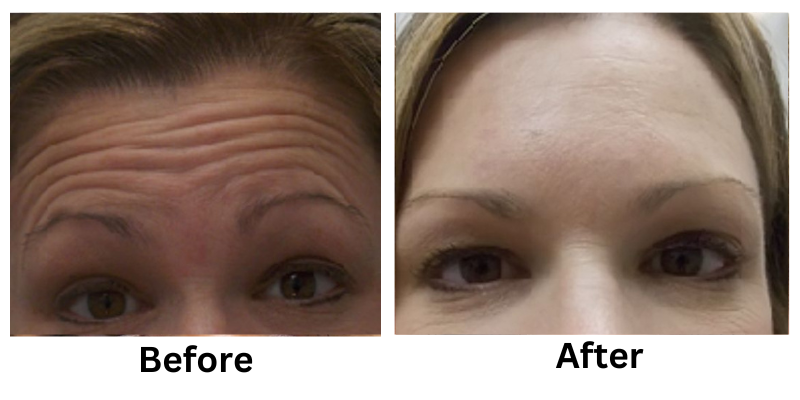
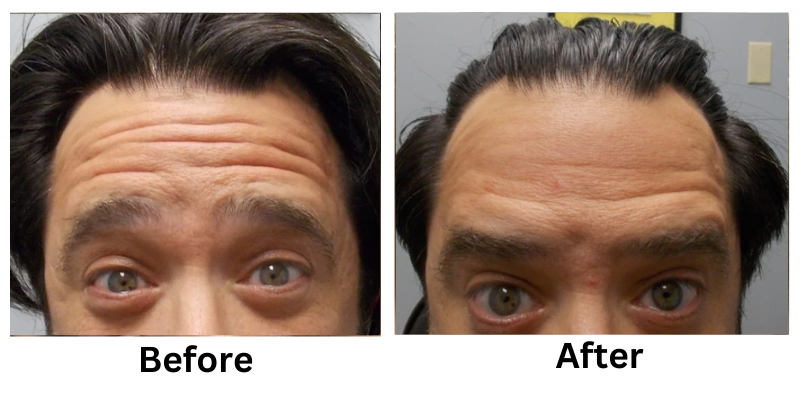
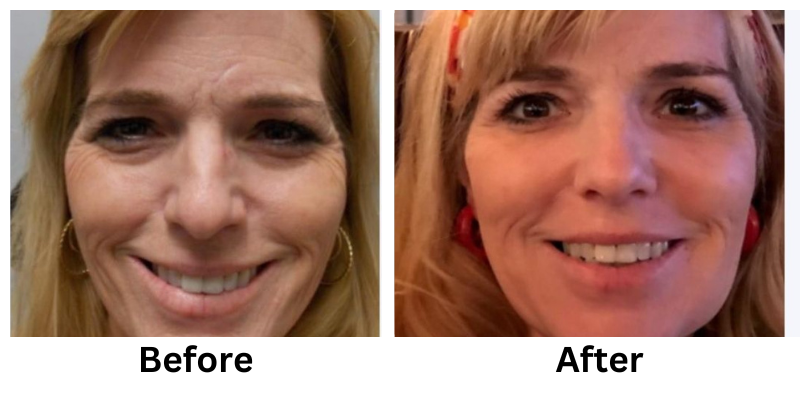
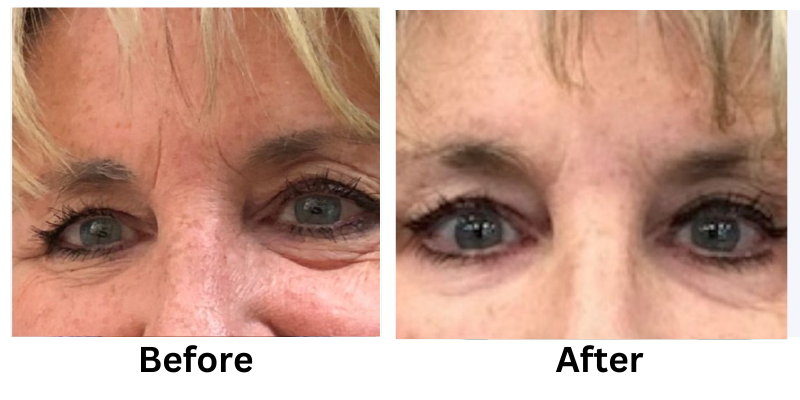
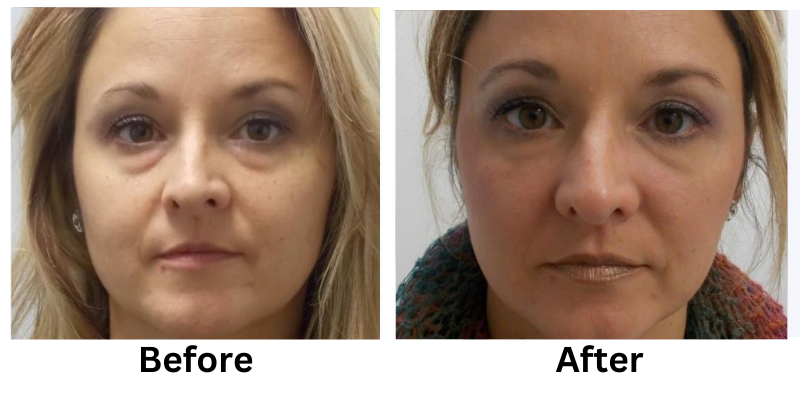
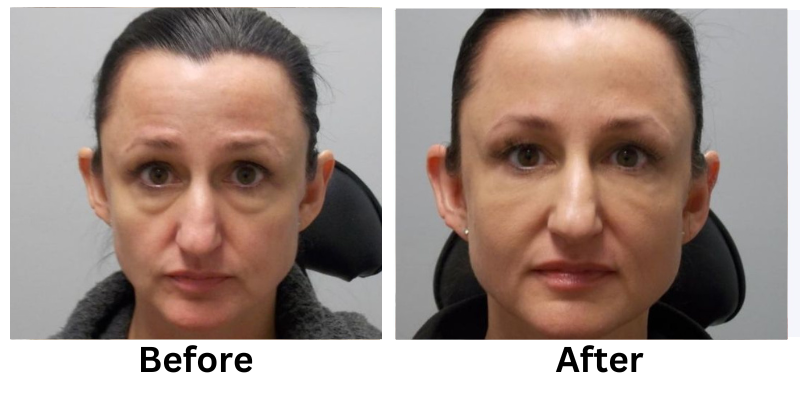
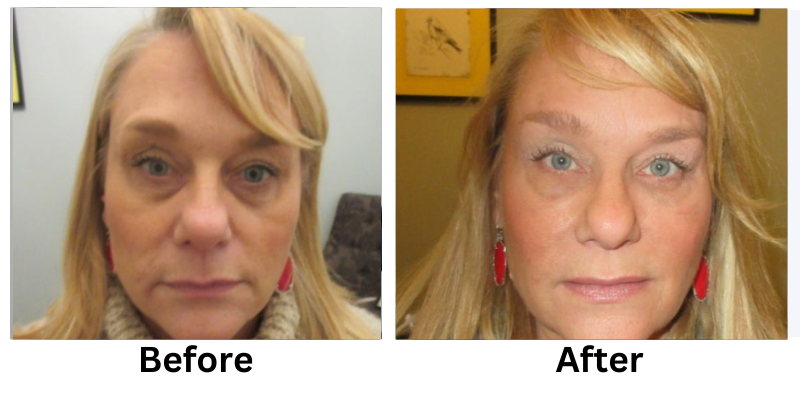
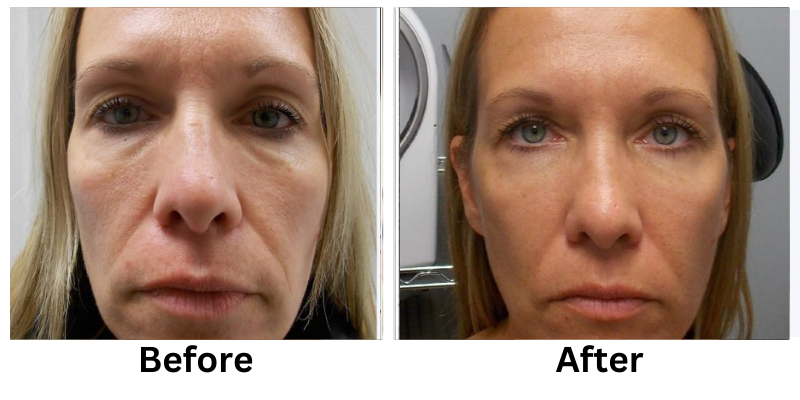
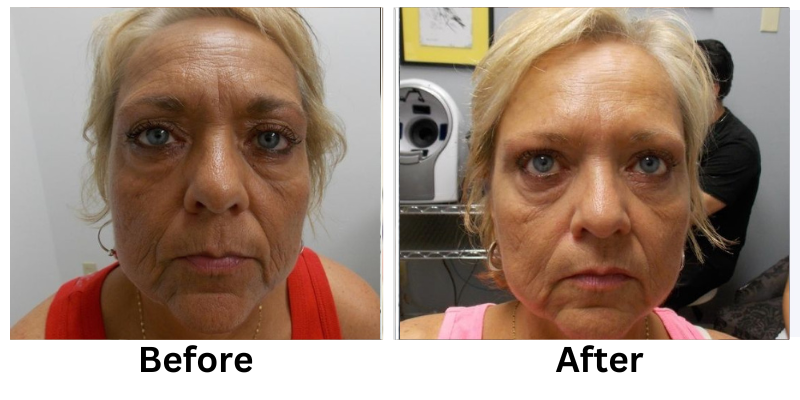
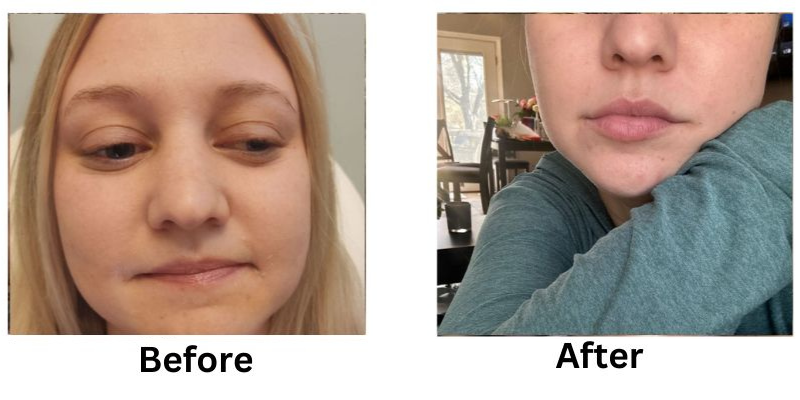
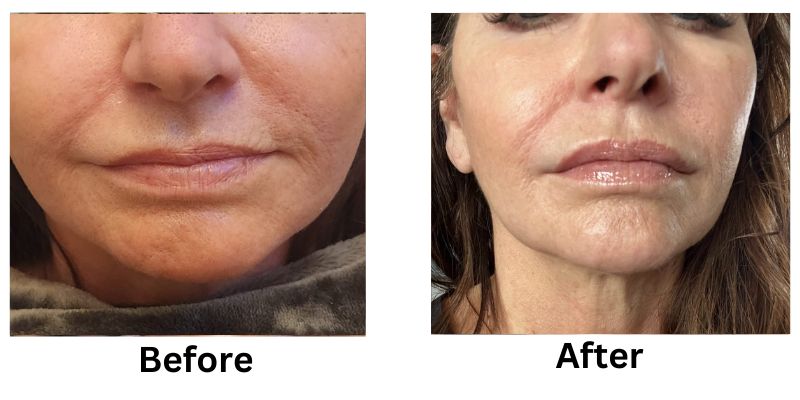
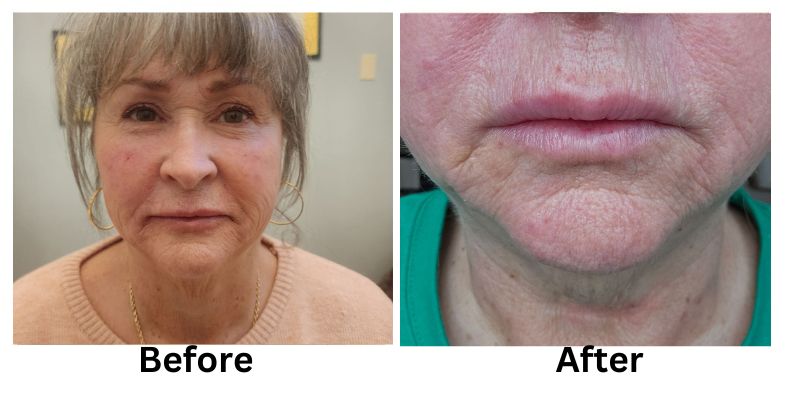
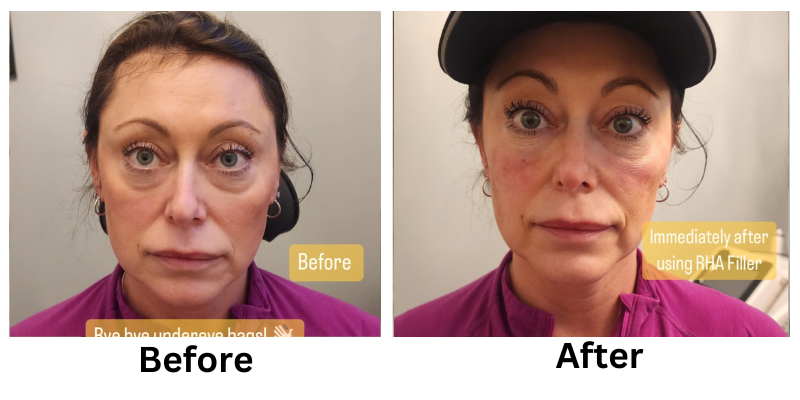
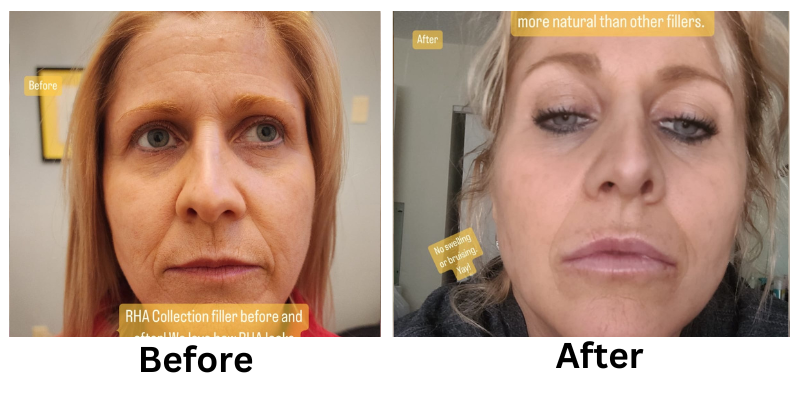
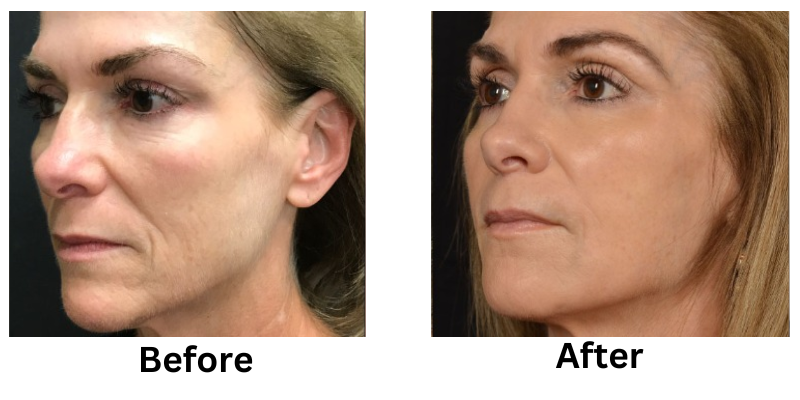
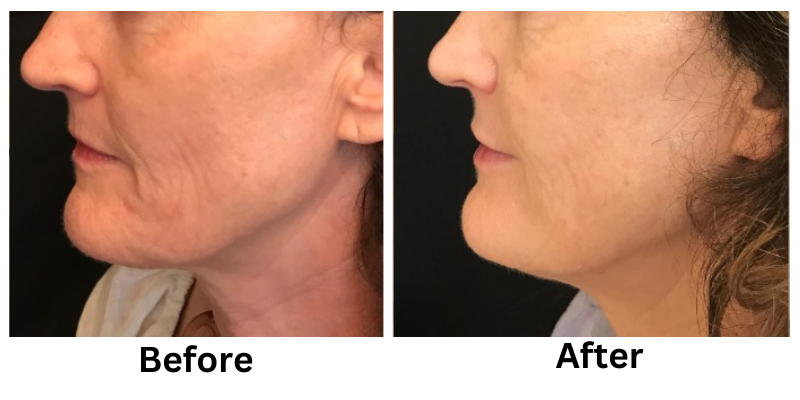
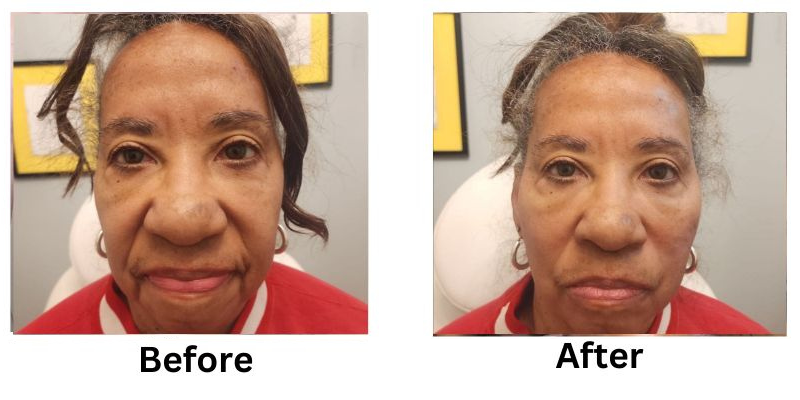
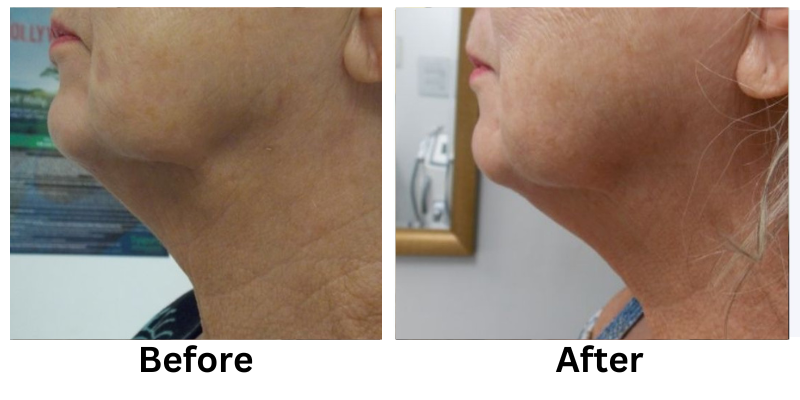
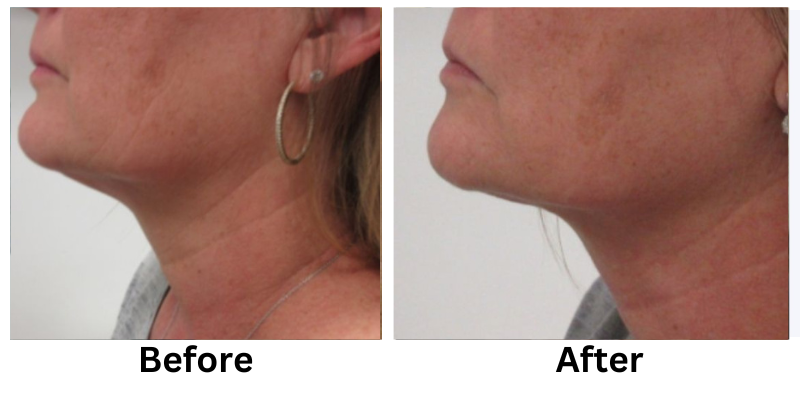
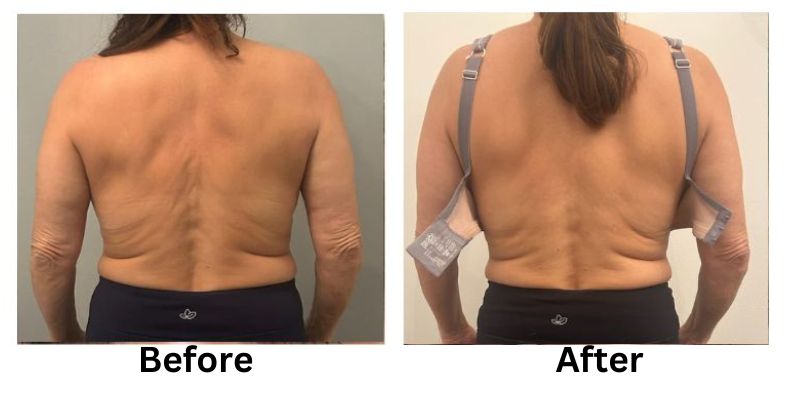
Clients who want to see what kind of improvement is possible can browse the before and after gallery to view real results from professional treatments.
Which Chemical Peel Is Best for Acne Scars?
The best chemical peel for acne scars depends on the type and depth of scarring. Glycolic acid peels (35-70%) are best for mild superficial scars and post-acne dark marks. Salicylic acid peels (20-30%) are best for oily, acne-prone skin with post-inflammatory hyperpigmentation. TCA peels (15-35%) are best for moderate atrophic scars and stubborn texture. TCA CROSS (70-100% applied directly into individual scars) is best for deep ice-pick scars.
According to a clinical study published in the Journal of Clinical and Aesthetic Dermatology (JCAD), 35% glycolic acid peels improved acne scarring in patients with Fitzpatrick skin types IV to VI, though microneedling was found to be significantly more effective in lowering atrophic acne scar grade than glycolic acid peels alone. For post-acne pigmentation specifically, a comparative study published in PMC found that salicylic-mandelic acid peels at 20%/10% achieved results similar to 35% glycolic acid peels, with better tolerability for sensitive and dark skin.
According to Dr. Shilpi Khetarpal of Cleveland Clinic, chemical peels offer a controlled way to resurface the skin and improve superficial to moderately deep acne scarring, and they are especially effective when combined with other treatments. Clients concerned about skin texture and pore concerns often find that chemical peels address multiple issues at once.
What Is the #1 Acne Scar Treatment?
The #1 acne scar treatment is microneedling (collagen induction therapy) for atrophic (pitted) scars, and chemical peels for post-inflammatory hyperpigmentation (dark marks). There is no single treatment that works best for all types of acne scars because scars vary in depth, shape, and severity. According to a randomized controlled study published in PMC comparing microneedling versus 35% glycolic acid peels for acne scarring, microneedling was significantly more effective in lowering atrophic acne scar grade.
For the best overall results, dermatologists recommend a multi-modal approach that combines two or more treatments. According to dermatologist Dr. Davin Lim, chemical peels should be part of a multi-modal treatment plan for atrophic acne scars because they deliver good results on their own but significantly better results in combination with other procedures. A treatment plan that includes microneedling for collagen stimulation, chemical peels for surface exfoliation, and possibly subcision or filler for deep scars produces the most comprehensive improvement.
Can You 100% Remove Acne Scars?
No, you cannot 100% remove acne scars with any currently available treatment. However, the right combination of professional treatments can reduce acne scars by 50% to 80% or more, making them significantly less visible. According to published research in PMC, microneedling improves acne scars by 30% to 50% in depth and texture after 3 to 6 sessions. TCA CROSS has been shown to achieve over 70% improvement in ice-pick scars after four sessions, according to a study published in Dermatologic Surgery.
The goal of acne scar treatment is not perfection but significant improvement. Most patients who complete a full treatment plan report that their scars are much less noticeable and that their overall skin texture and tone are dramatically better. The combination of chemical peels, microneedling, and proper skincare can transform scarred skin even if complete elimination is not possible.
Does Acne Get Worse After a Chemical Peel?
Acne can temporarily get worse after a chemical peel in the first few days because the peel brings underlying congestion and bacteria to the surface. This is sometimes called a “purge” phase. As the dead skin cells are exfoliated away, clogged pores and hidden breakouts become visible before the skin clears. This is a normal part of the healing process and typically resolves within 1 to 2 weeks.
According to a systematic review published in PMC (BMJ Open), commonly used chemical peels are similarly effective for mild-to-moderate acne vulgaris and well tolerated. The key to minimizing post-peel breakouts is making sure your skin is free of active, inflamed acne before the treatment. If you are in the middle of a severe breakout, your provider may recommend clearing the acne first with topical or oral medication before starting a peel series. According to WebMD, bacteria from a current breakout can spread to other areas of the skin during exfoliation, so timing matters.
What Fades Acne Scars the Most?
What fades acne scars the most is a combination of professional treatments used together. For dark marks (post-inflammatory hyperpigmentation), chemical peels combined with topical brightening agents like vitamin C, hydroquinone, and retinoids produce the fastest fading. For pitted scars (atrophic scars), microneedling combined with TCA CROSS for deep ice-pick scars and chemical peels for surface texture produces the most visible improvement.
According to a 2025 study published in the Journal of Clinical Medicine (MDPI), a medium-depth chemical peel regimen combining glycolic acid, salicylic acid, and a multi-acid mask achieved an 85% decrease in inflammatory lesion counts and significant improvement in 3D scar depth measurements after just two sessions. For maximum fading, consistent sun protection with SPF 30 or higher is essential because UV exposure darkens post-acne marks and slows healing. Clients dealing with both acne scars and hyperpigmentation may benefit from combining chemical peels with radio frequency microneedling for enhanced collagen remodeling.
What Triggers Acne Scars?
Acne scars are triggered by inflammation within the dermis caused by acne lesions. When a pimple, cyst, or nodule damages the deeper layers of skin, the body’s healing response can produce either too much collagen (causing raised scars) or too little collagen (causing pitted scars). According to published research in PMC, acne vulgaris accounts for about one-fifth of all visits to dermatologists in patients aged 13 to 35.
The biggest triggers for acne scarring include picking, squeezing, or popping pimples (which pushes bacteria deeper and increases inflammation), delaying acne treatment (allowing severe breakouts to persist and cause more skin damage), genetic predisposition to scarring, and hormonal acne with deep cystic lesions. Early and aggressive treatment of active acne is the best way to prevent scars from forming in the first place.
When Is It Too Late to Treat Acne Scars?
It is never too late to treat acne scars. Chemical peels, microneedling, laser resurfacing, and other professional treatments can improve acne scars regardless of how long ago they formed. Some patients achieve great results treating scars that are 10, 20, or even 30+ years old. According to the American Society of Plastic Surgeons, over 25 million minimally invasive cosmetic procedures were performed in 2023, and acne scar treatment is one of the most common reasons patients seek professional skin care.
Older scars can be more challenging to treat because the collagen in the area has fully matured, but they still respond to collagen-stimulating treatments like microneedling and medium-depth chemical peels. The key is consistent treatment over time. A series of 4 to 6 sessions produces the best results for both new and old scars.
Do Deep Acne Scars Go Away?
Deep acne scars do not go away completely on their own, but they can be significantly improved with professional treatment. Ice-pick scars, deep boxcar scars, and deep rolling scars are structural deformities in the dermis that require collagen remodeling to improve. According to published clinical evidence in PMC, microneedling produces 30% to 50% improvement in acne scar depth and texture after 3 to 6 sessions. TCA CROSS has been shown to produce over 70% improvement in ice-pick scars specifically.
The most effective approach for deep scars combines multiple modalities. Subcision breaks up the fibrotic bands pulling the scar down. Microneedling stimulates new collagen to fill in the depression. Chemical peels smooth the surface texture. Fillers can temporarily lift deep scars to skin level. A trained provider can create a layered treatment plan that addresses each type of scar. Clients exploring their options for deep scars can also consider laser skin resurfacing, which uses focused light energy to stimulate collagen remodeling at deeper levels.
Which Is Better for Acne Scars, Microneedling or Chemical Peel?
Microneedling is better for acne scars than chemical peels when the scars are pitted or atrophic (ice-pick, boxcar, rolling scars). Chemical peels are better for post-acne dark marks (post-inflammatory hyperpigmentation) and mild surface-level texture issues. According to a randomized controlled study published in the Journal of Clinical and Aesthetic Dermatology (JCAD), microneedling was significantly more effective in lowering atrophic acne scar grade than 35% glycolic acid peels in patients with Fitzpatrick skin types IV to VI.
The best results come from combining both treatments. Chemical peels exfoliate the surface, remove pigmented cells, and prepare the skin for deeper treatments. Microneedling penetrates beneath the surface to stimulate collagen production and physically remodel scar tissue. Many providers perform dermaplaning or a light chemical peel before microneedling in the same session to enhance penetration and results. Clients can explore both exosome microneedling and chemical peels as part of a comprehensive acne scar treatment plan.
How Many Chemical Peels Do I Need for Acne Scars?
You need 4 to 8 chemical peels for acne scars, depending on the type of peel, the depth of scarring, and your skin type. Light peels are done every 2 to 4 weeks. Medium peels are spaced 4 to 6 weeks apart. According to a clinical review published in PMC, complete resolution of post-inflammatory hyperpigmentation is commonly seen after six to eight glycolic acid peel treatments at 35% concentration.
For mild acne marks, 3 to 4 sessions may be enough. For moderate scarring with both texture and pigmentation issues, 6 to 8 sessions of alternating peel types (glycolic acid for exfoliation plus TCA for deeper remodeling) produces the best results. According to the Expert Consensus on Chemical Peels published in the International Journal of Dermatology and Venereology (2024), glycolic acid peels for acne are typically applied at 20% to 35% at two-week intervals for 4 to 6 treatments.
What Are the Hardest Acne Scars to Remove?
The hardest acne scars to remove are deep ice-pick scars, which are narrow, V-shaped depressions that extend deep into the dermis or even subcutaneous tissue. Ice-pick scars are resistant to most surface-level treatments because the damage extends far below the outer skin layer. According to published evidence in PMC, ice-pick and boxcar scars respond differently to treatment, with ice-pick scars being the most challenging.
Chemical peels alone cannot fix deep ice-pick scars because they do not penetrate deeply enough to stimulate the collagen remodeling needed at that level. The TCA CROSS technique (Chemical Reconstruction Of Skin Scars) is the most effective chemical peel method for ice-pick scars because it applies high-concentration TCA (70-100%) directly into each individual scar. According to a 2002 study published in Dermatologic Surgery, this technique produced over 70% improvement after four sessions. For the most stubborn ice-pick scars, combining TCA CROSS with punch excision or subcision produces the best outcomes.
How to Fix Deep Acne Scars?
To fix deep acne scars, you need a combination of treatments that work at different skin levels. Subcision uses a needle inserted beneath the scar to break up the fibrotic bands pulling the skin down. Microneedling stimulates new collagen to fill in the depression. TCA CROSS applies concentrated acid directly into individual deep scars. Dermal fillers temporarily lift the scar base to skin level. Chemical peels smooth the surrounding skin texture to reduce the contrast between scarred and unscarred areas.
According to dermatologist Dr. Davin Lim, chemical peels should be part of a multi-modal treatment plan for atrophic acne scars because they deliver significantly better results in combination with other procedures than any single treatment alone. A realistic treatment plan for deep scars involves multiple sessions over several months. Clients interested in addressing deep scarring can discuss a customized plan during a consultation to determine which combination of treatments is right for their specific scar types.
What Do Dermatologists Do for Acne Scars?
Dermatologists treat acne scars using a combination of chemical peels, microneedling, laser resurfacing, subcision, dermal fillers, TCA CROSS, and sometimes surgical excision. The treatment plan is customized based on the type of scars (ice-pick, boxcar, rolling, or hypertrophic), the patient’s skin type, and the severity of scarring. According to a review published in PMC, dermatologists consider chemical peels a first-line therapy for acne scars and a useful adjuvant in the broader management of acne scarring.
Dermatologists typically start with a thorough assessment of the scar types present and then build a layered plan. Light chemical peels address surface pigmentation and texture. Microneedling or laser targets deeper collagen remodeling. Subcision and fillers address tethered or depressed scars. According to the Journal of Clinical and Aesthetic Dermatology, peels are most effectively used in combination with a topical at-home regimen that includes exfoliating products, retinoids, and sunscreen.
What Fades Deep Acne Scars?
What fades deep acne scars is a combination of collagen-stimulating treatments performed over multiple sessions. Microneedling, TCA CROSS, fractional laser resurfacing, and subcision are the most effective modalities for fading deep scars. According to PMC research, microneedling produces 30% to 50% improvement in scar depth and texture after 3 to 6 sessions, and TCA CROSS produces over 70% improvement in ice-pick scars after four sessions.
Chemical peels play a supporting role for deep scars by improving the surrounding skin texture, fading post-acne pigmentation, and creating a more even surface. Medium-depth TCA peels can also improve shallow rolling scars. For the deepest scars, a provider may recommend pairing chemical peels with skin tightening or laser treatments to maximize collagen remodeling.
What Are the Disadvantages of a Chemical Peel?
The disadvantages of a chemical peel include temporary redness and peeling, the risk of post-inflammatory hyperpigmentation (especially in darker skin tones), the need for multiple sessions, and the inability to treat deep pitted scars. According to a systematic review published in PMC (BMJ Open), most chemical peel studies were of low-to-moderate methodological quality with small sample sizes, which means that results can vary between patients.
Other disadvantages include the need for strict sun avoidance during recovery, the possibility of temporary worsening of acne (purging), and the risk of infection or scarring if the peel is applied incorrectly. Deep phenol peels carry the additional risk of cardiac arrhythmias and permanent pigment changes. According to the Journal of Clinical and Aesthetic Dermatology, complications are primarily operator- and technique-dependent, which is why choosing a qualified, experienced provider is essential. Clients who want to avoid the peeling downtime can explore alternatives like aqua facial or BioRePeel for gentler resurfacing.
How Do Koreans Clear Acne?
Koreans clear acne with a multi-step approach that includes gentle, low-pH cleansers, chemical exfoliants (AHA, BHA), centella asiatica (cica) for calming inflammation, niacinamide for brightening and oil control, snail mucin for healing, and professional treatments like light chemical peels and LED therapy. The Korean skincare philosophy emphasizes gentle, consistent care over aggressive single treatments, which minimizes the risk of irritation and post-inflammatory hyperpigmentation.
Korean dermatology clinics commonly use salicylic acid peels and low-concentration glycolic acid peels for acne management, combined with prescription-strength retinoids and azelaic acid. The emphasis on hydration even in acne-prone skin is a hallmark of the Korean approach. Products with hyaluronic acid and ceramides are used to maintain the skin barrier while active ingredients treat the acne. This balanced approach reduces scarring because well-hydrated, non-irritated skin heals better.
Do Chemical Peels Age Your Skin?
No, chemical peels do not age your skin. Chemical peels actually have anti-aging effects because they stimulate collagen production, remove sun-damaged cells, and promote the growth of new, healthier skin. According to the Journal of Clinical and Aesthetic Dermatology, chemical peels are a proven treatment for photoaging and help improve skin texture, tone, and firmness.
The concern about aging comes from the temporary sensitivity after a peel. The fresh skin exposed by the treatment is more vulnerable to UV damage, so skipping sunscreen after a peel can lead to sun damage that accelerates aging. As long as you wear SPF 30 or higher during recovery and continue using sunscreen daily, chemical peels are beneficial for your skin’s long-term health and appearance. Clients concerned about aging skin can explore the full range of facial treatments for a comprehensive anti-aging plan.
Who Should Not Get Chemical Peels?
People who should not get chemical peels include those with active, inflamed acne or breakouts (wait until the acne is under control), those currently taking or who recently took isotretinoin, pregnant or breastfeeding women, patients with active cold sores or skin infections, people with a history of keloid scarring, and those with uncontrolled eczema, psoriasis, or rosacea in the treatment area. According to Cleveland Clinic, patients with a family history of abnormal facial pigmentation may have an increased risk of developing hyperpigmentation after a peel.
Dark skin types (Fitzpatrick IV to VI) can safely receive chemical peels but require careful selection of the peel type and concentration. According to the Expert Consensus on Chemical Peels (2024), salicylic-mandelic acid combination peels are better tolerated than glycolic acid in sensitive and dark skin. Deep phenol peels are not recommended for darker skin types due to the risk of permanent pigment changes.
Chemical Peels for Acne Scars: Type Comparison
| Peel Type | Best Scar Type | Depth | Sessions | Evidence |
|---|---|---|---|---|
| Glycolic Acid (35-70%) | Post-acne dark marks, mild shallow scars, skin texture | Superficial | 6 to 8 every 2-3 weeks | Significantly improved superficial scarring and pigmentation over 6 sessions (JCAD) |
| Salicylic Acid (20-30%) | Post-inflammatory hyperpigmentation, oily acne-prone skin | Superficial | 5 to 6 every 2-4 weeks | Safe and effective for dark skin types IV-VI (Grimes, 1999) |
| TCA (15-35%) | Moderate atrophic scars, rolling scars, texture | Medium | 3 to 4 every 4-6 weeks | Effective for textural irregularities and skin tone (Indian Journal of Dermatology) |
| TCA CROSS (70-100%) | Deep ice-pick scars, narrow boxcar scars | Focal deep | 3 to 4 every 4-6 weeks | 70%+ improvement after 4 sessions (Dermatologic Surgery, 2002) |
| Jessner’s Solution + TCA | Mild to moderate mixed scarring | Medium | 2 to 4 sessions | Shown benefit in combination for acne scarring (PMC) |
| Multi-Acid (Yellow Peel) | Active acne + shallow scars | Medium | 2 sessions, 4 weeks apart | 85% decrease in inflammatory lesions, significant scar depth improvement (MDPI, 2025) |
Sources: Journal of Clinical and Aesthetic Dermatology, Dermatologic Surgery, Indian Journal of Dermatology, PMC, Journal of Clinical Medicine (MDPI), Expert Consensus on Chemical Peels (IJDV 2024)
Will I See Results After One Chemical Peel?
Yes, you will see results after one chemical peel, but the improvement for acne scars will be subtle. After a single light peel, skin looks brighter and smoother once the mild flaking subsides. Post-acne dark marks begin to fade noticeably after one session. However, for pitted or textured scars, one treatment is not enough to produce visible structural change. According to the Expert Consensus (2024), glycolic acid peels for acne are typically applied for 4 to 6 treatments to achieve meaningful results.
A single peel is a good starting point because it shows you how your skin responds and gives your provider information to adjust future sessions. The most dramatic improvement in acne scars comes from completing a full series of 4 to 8 peels with proper aftercare and sun protection between sessions.
Frequently Asked Questions
Are Chemical Peels Worth It for Acne Scars?
Yes, chemical peels are worth it for acne scars, especially for post-acne dark marks and mild to moderate textural scarring. According to a 2025 systematic review in the Pakistan Journal of Medical and Surgical Aesthetics, chemical peels are a safe and effective treatment option supported by multiple clinical trials. They are more affordable than laser treatments, require minimal downtime, and can be combined with other procedures for enhanced results. For deep pitted scars, chemical peels work best as part of a multi-treatment plan alongside microneedling or subcision.
How Long Do Chemical Peel Results Last for Acne Scars?
Chemical peel results for acne scars last differently depending on the concern being treated. Post-acne dark marks that are successfully faded can stay clear indefinitely with proper sun protection. Texture improvements from a peel series can last 3 to 6 months or longer before maintenance is needed. Collagen remodeling triggered by medium-depth peels continues to improve the skin for up to 3 months after the final session. Maintenance peels every 2 to 3 months help sustain and build on the results over time.
Can Chemical Peels Make Acne Scars Worse?
Chemical peels can make acne scars worse in rare cases if the peel is too strong for the patient’s skin type, if proper pre-treatment skin priming is skipped, or if the patient has active inflamed acne during the treatment. The most common complication is post-inflammatory hyperpigmentation, where the skin darkens after the peel. According to the Journal of Clinical and Aesthetic Dermatology, this risk is highest in darker skin types and can be minimized by using gentler peel formulations and priming the skin with hydroquinone or azelaic acid for 2 to 4 weeks before treatment.
What Is the Best Treatment for Severe Acne Scars?
The best treatment for severe acne scars is a multi-modal approach that combines several procedures. Subcision breaks fibrotic bands beneath deep scars. Microneedling stimulates collagen to fill in depressions. TCA CROSS treats individual ice-pick scars. Fractional laser resurfacing remodels deeper dermal tissue. Chemical peels smooth the surface and address pigmentation. According to Dr. Davin Lim, a leading dermatologist specializing in acne scars, chemical peels should be part of a comprehensive plan because they deliver significantly better results in combination than any single treatment alone.
Is a Chemical Peel or Microneedling Better for Acne Scars?
Microneedling is better than chemical peels for atrophic (pitted) acne scars because it stimulates collagen production at a deeper level. According to a randomized controlled study published in JCAD, microneedling was significantly more effective in lowering atrophic acne scar grade than 35% glycolic acid peels. Chemical peels are better for post-acne dark marks and surface texture improvement. The best approach for most patients is combining both treatments in a strategic sequence for comprehensive scar improvement.
How Soon After Acne Clears Can I Get a Chemical Peel?
You can get a chemical peel as soon as your acne is no longer actively inflamed and there are no open lesions on the skin. For patients who have just finished a course of isotretinoin (Accutane), dermatologists recommend waiting at least 6 months after stopping the medication before getting any chemical peel. According to Cleveland Clinic, patients with active acne breakouts should not get dermaplaning or aggressive exfoliation treatments until the skin has cleared, as the procedure can spread bacteria and worsen the breakout.
What Should I Expect During Recovery From a Chemical Peel for Acne Scars?
During recovery from a chemical peel for acne scars, you should expect mild redness and tightness for the first 1 to 3 days (light peel) or 5 to 7 days (medium peel). Peeling and flaking begin around day 2 to 3 and can last up to a week. The skin may temporarily look darker or more uneven as it sheds. After the peeling phase ends, the new skin appears smoother, brighter, and more evenly toned. Use a gentle cleanser, a hydrating moisturizer, and SPF 30+ sunscreen during recovery. Avoid retinoids, exfoliating acids, physical scrubs, and heavy makeup until the peeling is complete.
Final Thoughts
Chemical peels are a proven, effective treatment for acne scars, backed by multiple clinical studies and decades of professional use. They work best for post-acne dark marks, mild to moderate textural scarring, and overall skin tone improvement. For deep pitted scars, chemical peels deliver the strongest results when combined with microneedling, TCA CROSS, or other collagen-stimulating treatments. The key to success is choosing the right peel type for your scar type, completing a full series of treatments, protecting your skin from the sun, and working with an experienced provider who can customize your plan.
Slimming Solutions Med Spa offers medical and physician-grade chemical peels specifically formulated for acne scars and pigmentation concerns. The experienced team will assess your scar types, recommend the right peel and treatment combination, and guide you through every step from consultation to aftercare. Call today or request a consultation to start your journey toward smoother, clearer skin.
![[thumb]](https://slimmingsolutionsspa.com/wp-content/uploads/2023/12/botox1-150x150.png)
![[thumb]](https://slimmingsolutionsspa.com/wp-content/uploads/2023/12/Before2-150x150.png)
![[thumb]](https://slimmingsolutionsspa.com/wp-content/uploads/2023/12/Before3-150x150.png)


![[thumb]](https://slimmingsolutionsspa.com/wp-content/uploads/2023/12/revanesse-versa-1-150x150.png)
![[thumb]](https://slimmingsolutionsspa.com/wp-content/uploads/2023/12/revanesse-versa-2-150x150.png)
![[thumb]](https://slimmingsolutionsspa.com/wp-content/uploads/2023/12/revanesse-versa-3-150x150.png)
![[thumb]](https://slimmingsolutionsspa.com/wp-content/uploads/2023/12/revanesse-versa-4-150x150.png)
![[thumb]](https://slimmingsolutionsspa.com/wp-content/uploads/2023/12/revanesse-versa-5-150x150.png)
![[thumb]](https://slimmingsolutionsspa.com/wp-content/uploads/2024/01/Eyebrow-treatment-1-1-150x150.png)
![[thumb]](https://slimmingsolutionsspa.com/wp-content/uploads/2023/12/Skin-Rejuvenation-1-150x150.png)
![[thumb]](https://slimmingsolutionsspa.com/wp-content/uploads/2023/12/Skin-Rejuvenation-2-150x150.png)


![[thumb]](https://slimmingsolutionsspa.com/wp-content/uploads/2024/01/Lip-Filler-1-150x150.png)
![[thumb]](https://slimmingsolutionsspa.com/wp-content/uploads/2024/01/Lip-Filler-2-150x150.png)
![[thumb]](https://slimmingsolutionsspa.com/wp-content/uploads/2025/02/Lip-Filler-1-150x150.png)
![[thumb]](https://slimmingsolutionsspa.com/wp-content/uploads/2024/01/Lip-Filler-150x150.jpg)
![[thumb]](https://slimmingsolutionsspa.com/wp-content/uploads/2024/01/Before-1-150x150.jpg)

![[thumb]](https://slimmingsolutionsspa.com/wp-content/uploads/2024/01/RHA-Treatmetn-3-150x150.png)
![[thumb]](https://slimmingsolutionsspa.com/wp-content/uploads/2024/01/RHA-Treatmetn-2-150x150.png)
![[thumb]](https://slimmingsolutionsspa.com/wp-content/uploads/2024/01/RHA-Treatmetn-1-150x150.png)
![[thumb]](https://slimmingsolutionsspa.com/wp-content/uploads/2024/01/Thread-Lifts-1-150x150.png)
![[thumb]](https://slimmingsolutionsspa.com/wp-content/uploads/2024/01/Thread-Lifts-2-150x150.png)
![[thumb]](https://slimmingsolutionsspa.com/wp-content/uploads/2025/02/Lip-Filler-2-150x150.png)

![[thumb]](https://slimmingsolutionsspa.com/wp-content/uploads/2023/12/skin-reuvulation1-150x150.png)
![[thumb]](https://slimmingsolutionsspa.com/wp-content/uploads/2023/12/skin-rejuvulation-2-150x150.png)
![[thumb]](https://slimmingsolutionsspa.com/wp-content/uploads/2023/12/Skin-Tighting-150x150.png)
![[thumb]](https://slimmingsolutionsspa.com/wp-content/uploads/2023/12/Before-150x150.jpg)
![[thumb]](https://slimmingsolutionsspa.com/wp-content/uploads/2023/12/weightloss-1-150x150.png)
![[thumb]](https://slimmingsolutionsspa.com/wp-content/uploads/2023/12/weightloss-2-150x150.png)
![[thumb]](https://slimmingsolutionsspa.com/wp-content/uploads/2023/12/2Weight-Loss-2-150x150.png)
![[thumb]](https://slimmingsolutionsspa.com/wp-content/uploads/2025/02/Weight-Loss-1-new-150x150.png)
![[thumb]](https://slimmingsolutionsspa.com/wp-content/uploads/2023/12/Weight-Loss-3-150x150.png)
![[thumb]](https://slimmingsolutionsspa.com/wp-content/uploads/2025/03/Slimming-Solutions-BA-Template-150x150.png)


![[thumb]](https://slimmingsolutionsspa.com/wp-content/uploads/2023/12/dat3-150x150.png)
![[thumb]](https://slimmingsolutionsspa.com/wp-content/uploads/2023/12/dat-0-150x150.png)
![[thumb]](https://slimmingsolutionsspa.com/wp-content/uploads/2023/12/dat-1-150x150.png)
![[thumb]](https://slimmingsolutionsspa.com/wp-content/uploads/2023/12/Before-1-150x150.png)

![[thumb]](https://slimmingsolutionsspa.com/wp-content/uploads/2024/01/EMS-Treatment-2-150x150.png)
![[thumb]](https://slimmingsolutionsspa.com/wp-content/uploads/2024/01/EMS-Treatment-1-150x150.png)
![[thumb]](https://slimmingsolutionsspa.com/wp-content/uploads/2025/02/ems-BNA-front-150x150.png)
![[thumb]](https://slimmingsolutionsspa.com/wp-content/uploads/2025/02/EMS-bna-SIDE-150x150.png)
![[thumb]](https://slimmingsolutionsspa.com/wp-content/uploads/2024/01/EMS-Treatment-6-150x150.png)