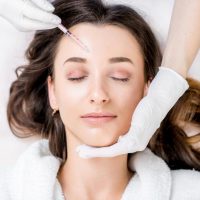
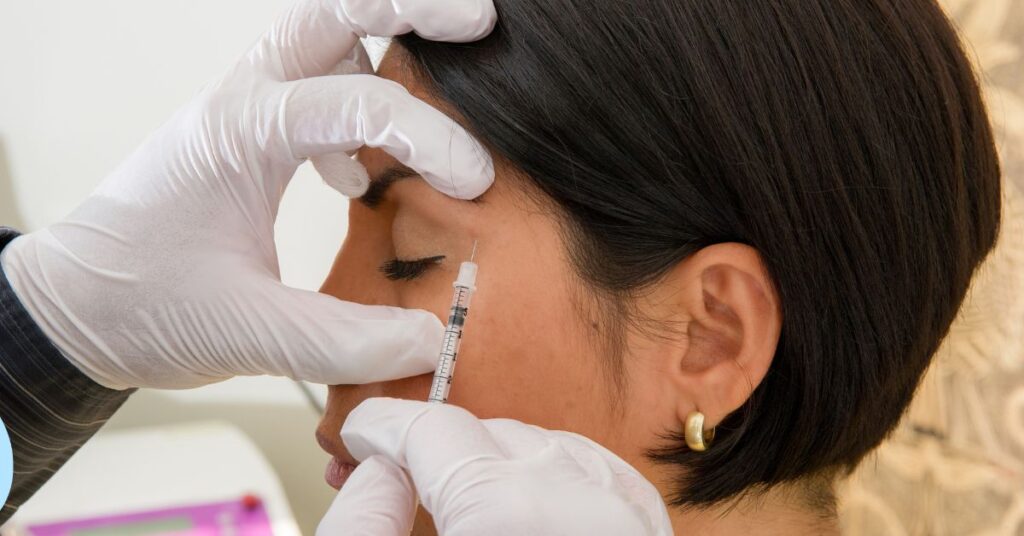
No, Botox does not hurt for most people. The majority of patients rate the pain at 1 to 2 out of 10 on a pain scale, comparing the sensation to a tiny pinch, a mosquito bite, or the quick sting of plucking an eyebrow hair. The needles used for Botox injections are ultra-fine, and the entire procedure takes only 10 to 15 minutes. According to the American Society of Plastic Surgeons, over 4.7 million botulinum toxin type A procedures were performed in the United States in 2023, making it the most popular minimally invasive cosmetic procedure in the country. Most patients resume normal activities immediately after treatment with zero downtime. This guide covers exactly what Botox feels like, which areas are more sensitive, how to minimize any discomfort, and everything first-timers need to know before their appointment.
Does Botox Hurt for the First Time?
Botox does not hurt significantly for the first time. First-time patients often feel more anxiety about the procedure than actual pain during it. The anticipation of needles near the face is usually worse than the reality. According to Schweiger Dermatology Group, most people find the injections relatively painless, experiencing only a slight pinch or stinging sensation that lasts a few seconds per injection site.
First-time patients may be more aware of the sensation simply because they do not know what to expect. By the second or third session, most patients report that the experience feels even easier because they know how mild the discomfort is. The needles used for Botox are among the smallest available in medicine. Some providers use specialized ultra-fine Japanese needles that are designed to minimize sensation even further.
If you are nervous about your first appointment, ask your provider about applying a topical numbing cream 15 to 20 minutes before the injections. Ice packs applied to the treatment area before and after also help reduce sensation. At Slimming Solutions Med Spa, Nurse Joi uses a pain-free, bruise-free injection technique that prioritizes patient comfort.
What Is the 4-Hour Rule for Botox?
The 4-hour rule for Botox means you should stay upright and avoid lying down for at least 4 hours after your injections. This prevents the Botox from migrating away from the targeted muscles to unintended areas, which could cause uneven results or temporary drooping. According to Allergan (the manufacturer of Botox), patients should remain upright and avoid rubbing or massaging the treated areas after injection.
During these first 4 hours, you should also avoid bending over, exercising, or any activity that increases blood flow to the face. Some providers recommend staying upright for as long as possible on the day of treatment. This is one of the most important aftercare rules for achieving natural, symmetrical results. Clients who want a complete overview of aftercare instructions can review the detailed guide on how Botox works to better prepare for their appointment.
What Is the Rule of 3 in Botox?
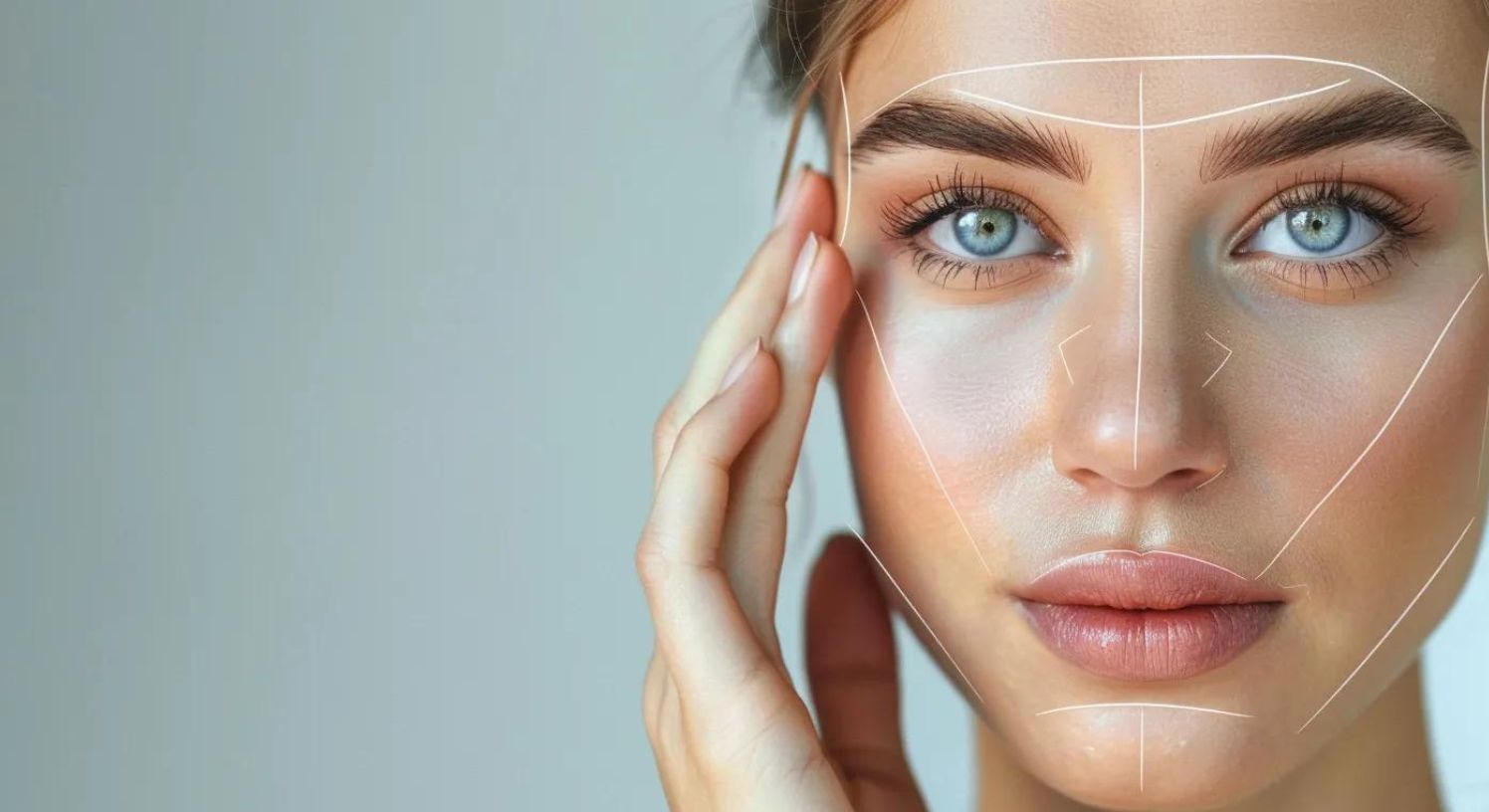
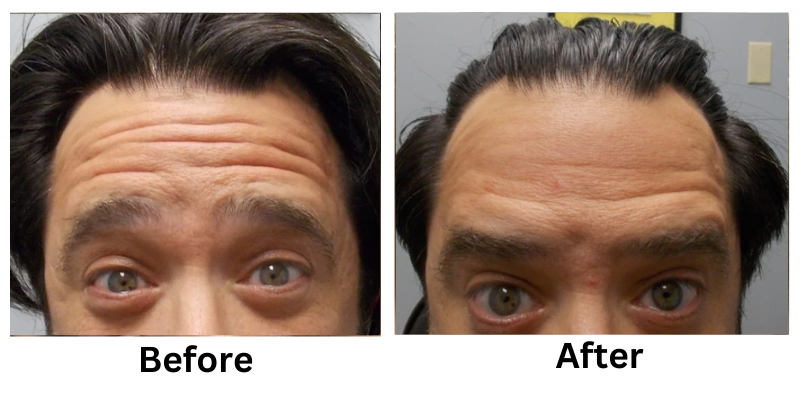
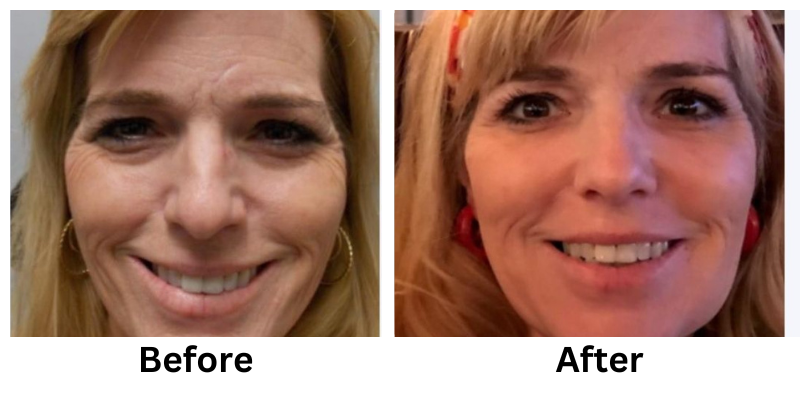
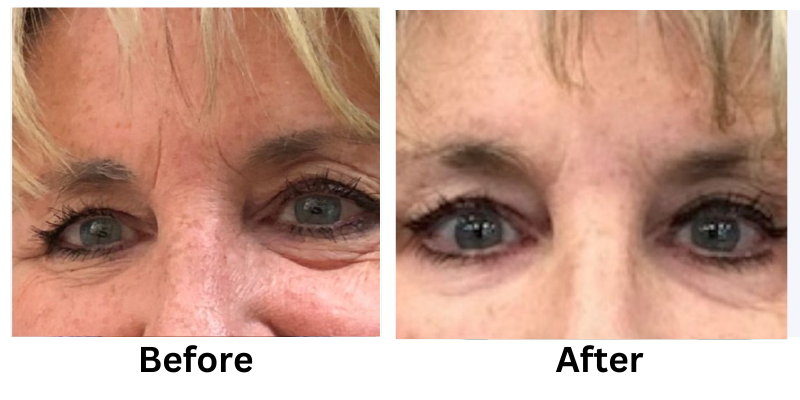
The rule of 3 in Botox refers to the three main areas of the upper face that are most commonly treated together: the forehead lines, the glabellar lines (frown lines between the eyebrows, also called the “11s”), and the crow’s feet (lines around the outer corners of the eyes). These three areas are considered the standard upper-face Botox treatment, and treating all three together creates the most natural, balanced, and harmonious result.
According to the American Society of Plastic Surgeons, the forehead, glabella, and crow’s feet are the top three most requested Botox treatment areas. Treating only one area without addressing the others can sometimes create an unnatural look because the untreated muscles compensate for the relaxed ones. A skilled injector assesses the entire upper face as a unit and adjusts the dosing in each area to create smooth, natural movement rather than a frozen appearance.
How Long Does 1st Time Botox Last?
First time Botox lasts approximately 3 to 4 months for most patients. Some first-timers report that their results wear off slightly faster than expected, closer to 2.5 to 3 months, because the muscles have not yet been trained to relax. With repeat treatments, many patients find that their results last longer over time because the muscles become weaker from consistent use.
According to board-certified dermatologist Dr. Estee Williams, the average duration for Botox in the glabella, forehead, and crow’s feet is approximately 3 to 4 months. Patients who exercise heavily or are very expressive may notice results fading closer to the 3-month mark. According to the global Botox market analysis by Coherent Market Insights, the market is valued at $6.21 billion in 2025 and growing at 10.6% annually, reflecting the massive number of patients who return for maintenance treatments every 3 to 4 months.
What Hurts More, Filler or Botox?
Filler hurts more than Botox because fillers use larger needles, involve more product volume being injected, and often require deeper injection into the tissue. Most patients rate Botox pain at 1 to 2 out of 10, while fillers typically rate 3 to 5 out of 10 depending on the treatment area. Lip fillers in particular are more sensitive because the lips have a higher concentration of nerve endings.
According to Skintastic Med Spa, Botox hurts less than microneedling, laser treatments, and fillers. The key differences are that Botox needles are thinner, the injection is shallower (into the muscle just beneath the skin), and the volume of product is much smaller. Fillers like Juvederm and Restylane often contain lidocaine (a numbing agent) mixed into the gel to help reduce pain during injection, which shows that even manufacturers recognize the higher discomfort level compared to Botox.
Is 55 Too Late for Botox?
No, 55 is not too late for Botox. Botox is effective for patients of all ages, including those in their 50s, 60s, and beyond. While Botox is most effective for dynamic wrinkles (lines caused by muscle movement), it can also soften the appearance of existing lines in mature skin. According to the American Society of Plastic Surgeons, patients aged 35 to 50 receive the highest number of Botox treatments, but older adults represent a large and growing segment.
Patients over 55 may benefit from combining Botox with other treatments like Sculptra for volume restoration or skin tightening for laxity. Botox alone may not address deeper, etched-in lines or significant volume loss, but it remains an effective part of a comprehensive anti-aging plan at any age.
What Not to Do the Night Before Botox?
The night before Botox, you should not drink alcohol, take blood-thinning supplements (like fish oil, vitamin E, or ginkgo biloba), or take aspirin or ibuprofen. All of these increase the risk of bruising at the injection sites. According to Schweiger Dermatology Group, patients should stop taking blood thinners for 1 to 2 weeks before treatment and avoid alcohol for at least 24 hours before the appointment.
You should also avoid applying retinoids or harsh exfoliating products to the treatment area the night before, as these can make the skin more sensitive. Get a good night of sleep, stay hydrated, and arrive at your appointment with a clean face (no makeup on the treatment areas). These simple steps can make a significant difference in your comfort level and the quality of your results.
What Does Botox Look Like 20 Years After?
Botox does not permanently change the structure of your face, so after 20 years of regular use, the treated areas typically look smoother and less wrinkled than they would have without treatment. Long-term Botox users often appear younger than their peers because the muscles that create expression lines have been consistently relaxed, preventing those lines from deepening over time.
According to board-certified dermatologist Dr. Estee Williams, Botox is not an iron, meaning the earlier and more consistently you use it, the more preventative its effects become. After 20 years, the treated muscles may become weaker and smaller from prolonged inactivity, which can make the skin in those areas look smoother even between treatments. If you stop Botox after 20 years, your face gradually returns to its natural state. The wrinkles will not be worse than they would have been without treatment. They simply resume forming at the rate your genetics and lifestyle dictate.
Is It Rude Not to Tip for Botox?
No, it is not rude not to tip for Botox. Botox is a medical procedure performed by a licensed medical professional, and tipping is not expected or required in medical settings. This is different from tipping at a day spa for services like facials, massages, or manicures, where gratuities are standard. According to industry etiquette, you do not tip physicians, nurse practitioners, or physician assistants for medical procedures.
If support staff like medical assistants or patient coordinators provided exceptional service during your visit, a tip is a kind gesture but never expected. When in doubt, ask the front desk about the facility’s policy. The most important thing is choosing a qualified provider who delivers safe, natural-looking results.
Why Is Botox So Expensive?
Botox is expensive because the product itself is a highly purified, FDA-approved prescription medication manufactured through a complex biological process, and the procedure requires a licensed medical professional with specialized training to administer safely. According to Fortune Business Insights, the global botulinum toxin market is projected to grow from $12.84 billion in 2026 to $24 billion by 2034, reflecting both the high cost of production and the massive demand for the treatment.
The cost of Botox includes the product, the provider’s expertise, the clinical overhead (sterile environment, medical supplies, malpractice insurance), and the consultation. Providers with more experience and better reputations may charge more because their technique delivers more natural, longer-lasting results with fewer complications. Paying less for an unqualified injector is a false economy that can lead to uneven results, wasted product, or serious complications. Clients who want to learn more about Botox pricing can read the detailed breakdown on how much Botox costs.
Why No Botox After 65?
There is no medical rule that says no Botox after 65. This is a common myth. Botox is safe and effective for patients over 65 when administered by a qualified medical professional. The reason some people believe this is that the original FDA clinical trials for Botox Cosmetic primarily enrolled patients under 65, so the product labeling notes that it was studied in patients aged 18 to 65. However, many dermatologists and plastic surgeons routinely treat patients well over 65 with excellent results.
Patients over 65 may have different expectations and needs than younger patients. Deep, etched-in wrinkles and significant skin laxity are not fully addressed by Botox alone, so older patients often benefit from a combination approach that includes Botox for dynamic lines plus fillers, skin tightening, or other treatments for static concerns. Clients over 65 who are curious about Botox can request a consultation to find out if it is right for their specific goals.
Is Every 3 Months Too Much for Botox?
No, every 3 months is not too much for Botox. In fact, every 3 to 4 months is the standard recommended treatment frequency for maintaining Botox results. According to the American Academy of Dermatology, you should get Botox injections every 3 to 4 months to maintain optimal results. Patients who wait much longer than 4 months between treatments may notice their wrinkles fully returning before their next session.
Some providers even recommend slightly shorter intervals (every 10 to 12 weeks) for patients who metabolize Botox quickly, such as those who exercise heavily. Over time, some long-term patients find they can extend the interval to every 4 to 5 months because their muscles have become weaker from consistent treatment. Your provider will adjust the timing based on how your individual muscles respond.
What Day Does Botox Peak?
Botox peaks at approximately 10 to 14 days after injection. This is when the full effect of the muscle relaxation is visible and the treated areas look their smoothest. You may start noticing some improvement within 3 to 5 days, but the final result is not fully apparent until about 2 weeks after treatment.
According to Schweiger Dermatology Group, Botox does not provide immediate results. It takes time for the botulinum toxin to fully bind to the nerve receptors and block the signals that cause muscle contraction. If you are getting Botox before a special event, schedule your appointment at least 2 weeks in advance to allow the treatment to reach its peak effect.
What Is the Ideal Age to Start Botox?
The ideal age to start Botox depends on your individual skin and goals, but most dermatologists say the late 20s to early 30s is a good time to begin preventative Botox. At this age, you may start noticing the first signs of dynamic wrinkles forming from repeated facial expressions. Starting Botox before these lines become deeply etched prevents them from progressing and keeps the skin looking smooth longer.
According to the American Society of Plastic Surgeons, patients aged 18 to 34 accounted for approximately 2.2 million Botox treatments in recent years, reflecting the growing trend of preventative Botox among younger adults. There is no minimum age requirement (the FDA approves Botox Cosmetic for patients 18 and older), and there is no maximum age. The right time to start is when you begin to see lines forming that bother you. Clients who want to learn more about starting Botox can explore the full guide on the benefits of Botox.
Do You Age Faster After Stopping Botox?
No, you do not age faster after stopping Botox. When you stop Botox, your muscles gradually regain their full movement over the next 3 to 4 months, and the wrinkles that Botox was preventing will start to form again at their natural rate. You will not look worse than you would have if you had never gotten Botox. You simply lose the preventative benefit, and aging resumes at its normal pace.
The reason some people feel they look older after stopping is a contrast effect. They have gotten used to seeing their smooth, wrinkle-free face in the mirror, so when the wrinkles return, the change feels dramatic even though they are simply returning to their baseline. Long-term Botox users may actually look slightly better than they would have without treatment because years of muscle relaxation prevented some lines from ever forming deeply.
Is Botox Worth It at 60?
Yes, Botox is worth it at 60 for patients who want to soften dynamic wrinkles and maintain a refreshed, rested appearance. Botox is most effective for the lines that form when you make facial expressions, such as forehead lines, frown lines, and crow’s feet. At 60, these dynamic wrinkles are often well-established, and Botox can visibly smooth them out.
Patients at 60 should have realistic expectations. Botox will not eliminate deep, static wrinkles that are visible even at rest, and it does not treat skin laxity or volume loss. For those concerns, combining Botox with treatments like Radiesse or thread lifts can create a more comprehensive rejuvenation. Many patients in their 60s find that Botox makes them look more rested and approachable without appearing “done.”
Why Are Gen Z Saying No to Botox?
Some members of Gen Z are saying no to Botox because of a growing cultural movement toward embracing natural aging, skepticism about long-term effects of early preventative treatments, and concerns about over-reliance on cosmetic procedures. Social media trends promoting “skin positivity” and “aging gracefully” have influenced younger consumers to question whether starting Botox in their 20s is necessary.
According to the American Society of Plastic Surgeons, the 18 to 34 age group still represents a significant portion of all Botox treatments, so the trend of Gen Z rejecting Botox is not universal. Many younger patients are shifting toward less-invasive alternatives like good skincare routines, sunscreen, retinoids, and facial treatments rather than injectables. The decision to start Botox is personal, and both approaches have merit. Clients who want to explore non-injectable options can browse the full range of facial treatments available as alternatives to injectables.
Does Your Face Feel Different After Botox?
Yes, your face can feel slightly different after Botox. Most patients describe a mild heaviness or tightness in the treated areas for the first few days as the muscles begin to relax. Some people notice that they cannot fully raise their eyebrows or frown as deeply as before, which feels unusual at first but becomes natural quickly. The sensation of not being able to make certain expressions fully is the Botox working as intended.
By about 2 weeks, most patients are fully adjusted to the new sensation and no longer notice it. The treated areas should still feel like your own skin. If you experience numbness, significant heaviness, or a feeling that your face is “frozen,” your dosage may need to be adjusted at your next appointment. A skilled injector like Nurse Joi at Slimming Solutions Med Spa customizes every treatment to preserve natural movement and expression.
Where Is the Most Painful Place to Get Botox?
The most painful place to get Botox is the lip area (lip flip) and the masseter (jaw) muscle, which patients rate at about 3 to 4 out of 10. The lips have a higher concentration of nerve endings than other facial areas, making injections there more sensitive. The masseter muscle is thick and dense, so injections there require slightly more pressure.
According to Dr. Travis Shaw, a board-certified physician specializing in aesthetics, the forehead is often cited as almost imperceptible (0 to 1 out of 10), the glabella (frown lines) rates about 1 to 2 out of 10, and the crow’s feet are the least painful area. Even in the most sensitive areas, the pain is brief, lasting only seconds per injection, and is easily managed with ice or topical numbing cream applied before treatment.
What Not to Do on the First Day of Botox?
What not to do on the first day of Botox includes lying down for at least 4 hours, rubbing or massaging the treated areas, exercising or doing any strenuous physical activity, drinking alcohol, applying makeup to the injection sites for at least a few hours, taking a hot shower or bath, visiting a sauna or steam room, and bending over for extended periods. All of these activities can cause the Botox to migrate from the targeted muscles to unintended areas or increase the risk of bruising.
According to Allergan, patients should not touch, rub, or apply pressure to the treated areas after injection. This includes leaning your face against your hand, wearing tight headbands or hats that press on the forehead, and getting a facial or any other treatment that involves manipulating the face. Clients can read more about what to expect after treatment in the guide on how long Botox lasts.
Botox Pain by Treatment Area
| Treatment Area | Pain Level (1-10) | What It Feels Like | Typical Units |
|---|---|---|---|
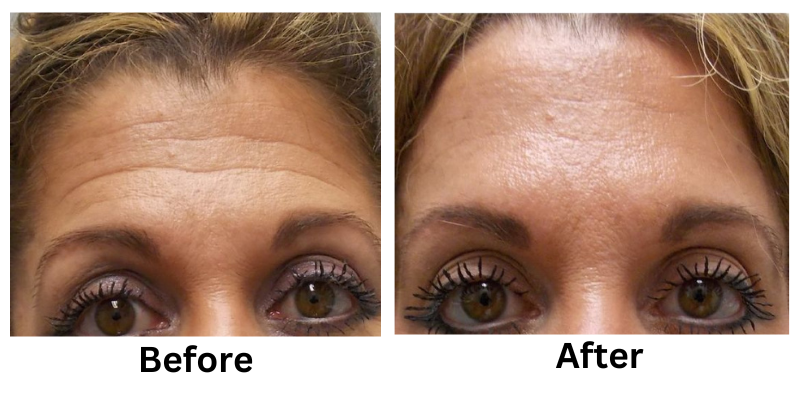
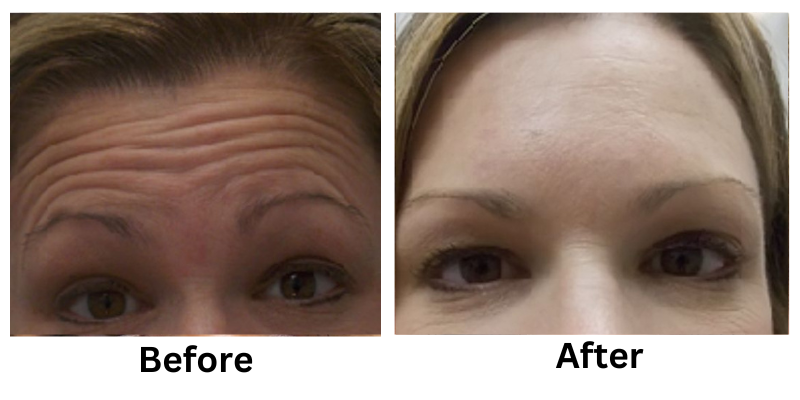
| Forehead Lines | 0 to 1 | Light tap or barely noticeable | 10 to 30 units |
| Glabella (Frown Lines / “11s”) | 1 to 2 | Brief pressure or pinch between the brows | 20 units |
| Crow’s Feet (Around Eyes) | 1 to 2 | Barely noticeable; thin skin makes it quick | 12 to 24 units per side |
| Bunny Lines (Nose) | 1 to 2 | Quick pinch | 4 to 8 units |
| Lip Flip | 3 to 4 | More sensitive due to high nerve density in lips | 4 to 6 units |
| Masseter (Jaw Slimming) | 3 to 4 | Deeper pressure into thick muscle | 25 to 50 units per side |
| Underarm Sweating (Hyperhidrosis) | 2 to 3 | Multiple small pricks; mild stinging | 50 units per underarm |
Sources: Dr. Travis Shaw MD, Skintastic Med Spa, American Society of Plastic Surgeons, Allergan prescribing information
What I Wish I Knew Before Getting Botox
The most common things patients wish they knew before getting Botox are: results are not instant (full effects take 10 to 14 days), the treatment is not permanent (results last 3 to 4 months), some bruising is normal and temporary, you should not lie down for 4 hours after, and the “frozen” look only happens if too much is used. According to Healthline, one patient reported being surprised that the pain was more intense than the “mosquito bite” she expected, while others report feeling almost nothing at all. Pain tolerance varies from person to person.
Other things first-timers wish they knew: you may need to return for a touch-up 2 weeks after your first treatment if the results are not perfectly even. It is better to start with a conservative dose and add more than to overdo it on the first visit. And the “crunch” sound some patients hear during injection is normal and not a cause for concern. A good provider will walk you through all of these details during your consultation.
Frequently Asked Questions
How Much Is a Full Face of Botox?
The amount of Botox needed for a full face depends on how many areas you are treating and the strength of your facial muscles. A typical full upper-face treatment (forehead, frown lines, and crow’s feet) uses 40 to 64 units. Adding areas like bunny lines, lip flip, or masseter increases the total. Contact your med spa directly for current pricing, as costs vary by provider and region. According to the American Society of Plastic Surgeons, Botox is priced per unit, and most providers charge a set rate per unit. Clients can learn more about specific costs in the guide on how much Botox costs.
How Much Should 3 Areas of Botox Cost?
The cost of 3 areas of Botox (typically forehead, frown lines, and crow’s feet) varies by provider, region, and the number of units used. Because every patient’s anatomy and treatment goals are different, the unit count and total cost are determined during a consultation. Contact your provider directly for pricing. According to Roots Analysis, the Botox market was valued at $4.7 billion in 2024 and is projected to grow significantly, and competition among providers has made treatment more accessible.
Is $10 a Unit Good for Botox?
Whether $10 a unit is good for Botox depends on the provider’s qualifications, experience, and the quality of the product being used. Prices in the United States typically range from $10 to $20+ per unit depending on the region and provider. A lower price is not always better if it comes from an inexperienced injector or a non-medical setting. According to the IAPAM, always verify that your provider is a licensed medical professional. The cost of Botox reflects the product quality, the provider’s training, and the safety of the clinical environment.
What Does Botox Look Like 20 Years After?
Twenty years after consistent Botox use, the treated areas typically look smoother and less wrinkled than they would have without treatment. The muscles that cause expression lines have been relaxed for so long that those lines are less deeply etched. If you stop Botox after 20 years, your face gradually returns to its natural state over 3 to 4 months. You will not look worse than you would have without treatment. The wrinkles simply resume forming at their normal rate.
Does Botox Get Easier Each Time?
Yes, Botox gets easier each time for most patients. The anxiety decreases because you know what to expect, and the physical sensation often feels milder because you are more relaxed. Some patients also report that repeat treatments seem less painful because the muscles in the treated area are already partially relaxed from previous sessions, reducing the tension that can contribute to discomfort during injection.
Can I Take Tylenol Before Botox?
Yes, you can take Tylenol (acetaminophen) before Botox because it does not thin the blood or increase bruising risk. Avoid aspirin, ibuprofen (Advil, Motrin), naproxen (Aleve), and other NSAIDs before Botox because they are blood thinners that increase the chance of bruising at the injection sites. If you need pain relief before your appointment, Tylenol is the safe choice.
What Should I Do Before My First Botox Appointment?
Before your first Botox appointment, you should stop blood-thinning supplements (fish oil, vitamin E, ginkgo biloba) for 1 to 2 weeks, avoid aspirin and ibuprofen for at least a week, skip alcohol for 24 hours, drink plenty of water to stay hydrated, arrive with a clean face free of makeup on the treatment areas, and eat a light meal before your appointment to avoid feeling lightheaded. According to Schweiger Dermatology Group, well-hydrated skin helps Botox settle more evenly. Share your full medical history, current medications, and any allergies with your provider during the consultation.
Final Thoughts
Botox is one of the quickest, least painful, and most popular cosmetic treatments available. Most patients rate the discomfort at just 1 to 2 out of 10, comparing it to a tiny pinch or mosquito bite. The entire treatment takes only 10 to 15 minutes, requires zero downtime, and delivers results that peak at about 2 weeks and last 3 to 4 months. Over 4.7 million Americans received Botox in 2023 alone, and the vast majority return for regular maintenance because the experience is comfortable and the results are worth it.
The key to a great Botox experience is choosing an experienced, licensed medical professional who uses proper technique, ultra-fine needles, and a personalized approach. Slimming Solutions Med Spa offers expert Botox treatments performed by Nurse Joi, a Master Injector with over a decade of experience and a pain-free, bruise-free technique. The team also offers Xeomin and other neurotoxin options. Call today or request a consultation to experience comfortable, natural-looking results from a qualified professional.
![[thumb]](https://slimmingsolutionsspa.com/wp-content/uploads/2023/12/botox1-150x150.png)
![[thumb]](https://slimmingsolutionsspa.com/wp-content/uploads/2023/12/Before2-150x150.png)
![[thumb]](https://slimmingsolutionsspa.com/wp-content/uploads/2023/12/Before3-150x150.png)


![[thumb]](https://slimmingsolutionsspa.com/wp-content/uploads/2023/12/revanesse-versa-1-150x150.png)
![[thumb]](https://slimmingsolutionsspa.com/wp-content/uploads/2023/12/revanesse-versa-2-150x150.png)
![[thumb]](https://slimmingsolutionsspa.com/wp-content/uploads/2023/12/revanesse-versa-3-150x150.png)
![[thumb]](https://slimmingsolutionsspa.com/wp-content/uploads/2023/12/revanesse-versa-4-150x150.png)
![[thumb]](https://slimmingsolutionsspa.com/wp-content/uploads/2023/12/revanesse-versa-5-150x150.png)
![[thumb]](https://slimmingsolutionsspa.com/wp-content/uploads/2024/01/Eyebrow-treatment-1-1-150x150.png)
![[thumb]](https://slimmingsolutionsspa.com/wp-content/uploads/2023/12/Skin-Rejuvenation-1-150x150.png)
![[thumb]](https://slimmingsolutionsspa.com/wp-content/uploads/2023/12/Skin-Rejuvenation-2-150x150.png)


![[thumb]](https://slimmingsolutionsspa.com/wp-content/uploads/2024/01/Lip-Filler-1-150x150.png)
![[thumb]](https://slimmingsolutionsspa.com/wp-content/uploads/2024/01/Lip-Filler-2-150x150.png)
![[thumb]](https://slimmingsolutionsspa.com/wp-content/uploads/2025/02/Lip-Filler-1-150x150.png)
![[thumb]](https://slimmingsolutionsspa.com/wp-content/uploads/2024/01/Lip-Filler-150x150.jpg)
![[thumb]](https://slimmingsolutionsspa.com/wp-content/uploads/2024/01/Before-1-150x150.jpg)

![[thumb]](https://slimmingsolutionsspa.com/wp-content/uploads/2024/01/RHA-Treatmetn-3-150x150.png)
![[thumb]](https://slimmingsolutionsspa.com/wp-content/uploads/2024/01/RHA-Treatmetn-2-150x150.png)
![[thumb]](https://slimmingsolutionsspa.com/wp-content/uploads/2024/01/RHA-Treatmetn-1-150x150.png)
![[thumb]](https://slimmingsolutionsspa.com/wp-content/uploads/2024/01/Thread-Lifts-1-150x150.png)
![[thumb]](https://slimmingsolutionsspa.com/wp-content/uploads/2024/01/Thread-Lifts-2-150x150.png)
![[thumb]](https://slimmingsolutionsspa.com/wp-content/uploads/2025/02/Lip-Filler-2-150x150.png)

![[thumb]](https://slimmingsolutionsspa.com/wp-content/uploads/2023/12/skin-reuvulation1-150x150.png)
![[thumb]](https://slimmingsolutionsspa.com/wp-content/uploads/2023/12/skin-rejuvulation-2-150x150.png)
![[thumb]](https://slimmingsolutionsspa.com/wp-content/uploads/2023/12/Skin-Tighting-150x150.png)
![[thumb]](https://slimmingsolutionsspa.com/wp-content/uploads/2023/12/Before-150x150.jpg)
![[thumb]](https://slimmingsolutionsspa.com/wp-content/uploads/2023/12/weightloss-1-150x150.png)
![[thumb]](https://slimmingsolutionsspa.com/wp-content/uploads/2023/12/weightloss-2-150x150.png)
![[thumb]](https://slimmingsolutionsspa.com/wp-content/uploads/2023/12/2Weight-Loss-2-150x150.png)
![[thumb]](https://slimmingsolutionsspa.com/wp-content/uploads/2025/02/Weight-Loss-1-new-150x150.png)
![[thumb]](https://slimmingsolutionsspa.com/wp-content/uploads/2023/12/Weight-Loss-3-150x150.png)
![[thumb]](https://slimmingsolutionsspa.com/wp-content/uploads/2025/03/Slimming-Solutions-BA-Template-150x150.png)


![[thumb]](https://slimmingsolutionsspa.com/wp-content/uploads/2023/12/dat3-150x150.png)
![[thumb]](https://slimmingsolutionsspa.com/wp-content/uploads/2023/12/dat-0-150x150.png)
![[thumb]](https://slimmingsolutionsspa.com/wp-content/uploads/2023/12/dat-1-150x150.png)
![[thumb]](https://slimmingsolutionsspa.com/wp-content/uploads/2023/12/Before-1-150x150.png)

![[thumb]](https://slimmingsolutionsspa.com/wp-content/uploads/2024/01/EMS-Treatment-2-150x150.png)
![[thumb]](https://slimmingsolutionsspa.com/wp-content/uploads/2024/01/EMS-Treatment-1-150x150.png)
![[thumb]](https://slimmingsolutionsspa.com/wp-content/uploads/2025/02/ems-BNA-front-150x150.png)
![[thumb]](https://slimmingsolutionsspa.com/wp-content/uploads/2025/02/EMS-bna-SIDE-150x150.png)
![[thumb]](https://slimmingsolutionsspa.com/wp-content/uploads/2024/01/EMS-Treatment-6-150x150.png)