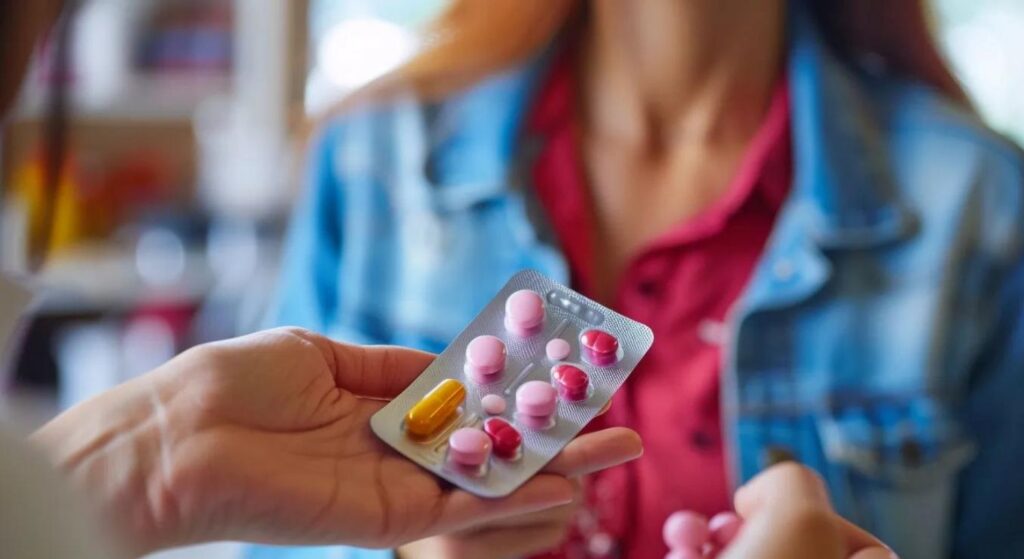
The best hormone replacement therapy for menopause depends on your symptoms, your health history, and whether you still have your uterus. For most women, bioidentical hormone replacement therapy (BHRT) using estrogen delivered through the skin (as a patch, gel, or cream) combined with micronized progesterone is considered the safest and most effective option. This approach closely matches the hormones your body naturally makes and has been linked to fewer risks than older synthetic versions.
That said, there is no single “best” HRT that works for every woman. About 1.3 million women enter menopause each year in the United States, and roughly 4 out of 5 experience symptoms like hot flashes, night sweats, sleep problems, and mood changes. Hormone therapy is the gold standard treatment for these symptoms, but picking the right type, dose, and delivery method makes all the difference.
In this article, we will break down the main types of HRT for menopause, compare bioidentical vs. synthetic hormones, explain which delivery methods are safest, cover the benefits and risks, and help you figure out which option might be right for you. Whether you live in Lee’s Summit, MO or anywhere in the Kansas City area, this guide will give you the information you need to have a confident conversation with your provider.
What Happens to Your Hormones During Menopause
The Estrogen Drop
Menopause is what happens when your ovaries stop producing the hormones estrogen and progesterone. The average age for menopause in the United States is 51, but the transition (called perimenopause) can start in your mid 40s and last 7 to 14 years.
When estrogen drops, your body notices. Fast. Estrogen does a lot more than manage your menstrual cycle. It supports your brain, bones, heart, skin, and even your mood. When production slows down, that is when the hot flashes, brain fog, vaginal dryness, weight gain, and sleep trouble begin.
Why Your Body Needs Help
Some women sail through menopause with barely a warm wave. But for most, the symptoms are real and disruptive. Surveys show that 81% of menopausal women experience hot flashes, 80% deal with night sweats, and up to 70% to 80% have sleep problems. About 39% experience depression during or after menopause.
Hormone replacement therapy works by giving your body back some of what it is no longer making. Think of it as filling a gas tank that is running on empty. You do not need to overfill it. You just need enough to keep the engine running smooth.
The Main Types of Hormone Replacement Therapy
Estrogen Only Therapy (ET)
Estrogen only therapy is used for women who have had a hysterectomy (their uterus removed). Since there is no uterus, there is no risk of uterine cancer from estrogen alone, and no need to add progesterone.
Estrogen comes in many forms: pills, patches, gels, creams, sprays, and vaginal rings. The type most commonly used is estradiol, which is a bioidentical form of estrogen. According to the American College of Obstetricians and Gynecologists (ACOG), systemic estrogen therapy is the most effective treatment for hot flashes and night sweats.
Combined Estrogen and Progesterone Therapy (EPT)
If you still have your uterus, you need both estrogen and a progestogen (a progesterone like hormone). Taking estrogen alone can thicken the uterine lining and raise the risk of uterine cancer. Adding progesterone protects against that risk.
Combined therapy can be given two ways. Continuous means you take both hormones every day. Cyclical means you take progestogen only on certain days of the month. Your provider will recommend the best schedule based on where you are in the menopause transition.
Low Dose Vaginal Estrogen
If your main symptoms are vaginal dryness, burning, or discomfort during sex, you might not need full body hormone therapy at all. Low dose vaginal estrogen comes as a cream, tablet, or ring placed in the vagina. It treats local symptoms without flooding your whole body with hormones.
This is often a great option for women who want symptom relief with the lowest possible risk.
Bioidentical vs. Synthetic Hormones: What Is the Difference?
What Are Bioidentical Hormones?
Bioidentical hormones are made from plant sources (usually yams or soy) and are processed to be chemically identical to the hormones your body naturally produces. The most common bioidentical hormones used in menopause treatment are estradiol (a form of estrogen) and micronized progesterone.
Some bioidentical hormones are FDA approved and available by prescription at regular pharmacies. Others are custom mixed (compounded) at special pharmacies based on a doctor’s prescription. There is an important difference between the two.
What Are Synthetic Hormones?
Synthetic hormones are man made or animal derived hormones that are similar to, but not identical to, your body’s natural hormones. The most well known synthetic HRT is Premarin (made from pregnant horse urine) and Prempro (which combines Premarin with medroxyprogesterone acetate, or MPA, a synthetic progestin).
These were the hormones used in the large Women’s Health Initiative (WHI) study in 2002 that raised alarm about HRT risks. That study found increased risks of breast cancer, heart disease, stroke, and blood clots with this specific combination of synthetic hormones.
Which Is Better?
Research published in the Postgraduate Medicine journal found that bioidentical hormones were associated with lower risks for breast cancer and heart disease compared to synthetic versions. Patients also reported greater satisfaction with bioidentical progesterone compared to synthetic progestins.
However, it is important to note that compounded bioidentical hormones (the custom mixed kind) are not FDA regulated. That means their quality, dosage, and purity can vary. The North American Menopause Society and the Endocrine Society recommend that women use FDA approved bioidentical hormones whenever possible, as they have the same benefits with better quality control.
Here is a comparison:
| Feature | Bioidentical (FDA Approved) | Synthetic | Compounded Bioidentical |
|---|---|---|---|
| Matches body’s hormones | Yes | No | Yes |
| FDA regulated | Yes | Yes | No |
| Quality controlled | Yes | Yes | Varies |
| Available at regular pharmacies | Yes | Yes | Specialty pharmacies only |
| Research supported | Yes | Yes (but older formulas) | Limited |
| Customizable dosing | Limited | Limited | Yes |
At Slimming Solutions Med Spa in Lee’s Summit, we offer bioidentical hormone replacement therapy (BHRT) that uses plant derived hormones to help restore balance safely and effectively. Our approach focuses on matching the right treatment to your body’s needs.
How Hormone Therapy Is Delivered
Skin Patches
Patches deliver a steady dose of estrogen through the skin and into the bloodstream. They are applied to the abdomen or buttocks and changed once or twice a week. Many experts consider transdermal (through the skin) estrogen the safest delivery method because it bypasses the liver. This lowers the risk of blood clots compared to oral pills.
Gels, Creams, and Sprays
Like patches, these are applied to the skin and deliver hormones directly into the bloodstream. They offer flexibility in dosing and avoid the liver first pass effect. Many women prefer them because they are easy to use and less visible than a patch.
Oral Pills
Pills are the oldest and most studied form of HRT. They are convenient and effective, but because they pass through the liver first, they may slightly raise the risk of blood clots, especially in women over 60 or those with other risk factors like obesity or a history of clotting disorders.
Vaginal Options
Vaginal creams, rings, and tablets deliver estrogen locally to the vaginal tissue. They are ideal for women whose primary complaint is vaginal dryness, irritation, or painful intercourse. These low dose options carry very few systemic risks.
Pellet Therapy
Some providers offer hormone pellets that are inserted under the skin. They slowly release hormones over several months. While convenient, pellet dosing is harder to adjust once placed. The FDA has not approved pellet therapy for menopause, so it falls into the compounded category.
Benefits of Hormone Replacement Therapy for Menopause
Relief From Hot Flashes and Night Sweats
This is the number one reason women start HRT, and it delivers. Estrogen therapy is the most effective treatment available for vasomotor symptoms (the medical name for hot flashes and night sweats). Most women see a significant improvement within a few weeks of starting treatment.
Better Sleep
When night sweats stop waking you up at 2 AM, your sleep improves dramatically. HRT helps restore normal sleep patterns and can reduce insomnia related to menopause.
Bone Protection
Estrogen plays a critical role in keeping bones strong. After menopause, bone loss speeds up, which raises the risk of osteoporosis and fractures. HRT has been shown to reduce fracture risk by 50% to 60%, making it one of the most powerful tools for protecting your bones.
Heart Health (When Started at the Right Time)
This is where timing matters a lot. Research shows that women who start HRT within 10 years of menopause or before age 60 may actually see a reduced risk of heart disease. The protective effect seems to come from estrogen’s positive effects on blood vessels and cholesterol. However, starting HRT later in life (after age 60 or more than 10 years post menopause) may increase cardiovascular risks.
Improved Mood and Mental Clarity
Many women report that HRT helps lift the fog, both the brain fog and the emotional fog. Estrogen supports neurotransmitters like serotonin and dopamine, which affect mood, focus, and overall mental well being.
Vaginal and Urinary Health
Estrogen helps keep vaginal tissue healthy, elastic, and well lubricated. Without it, vaginal dryness, painful sex, and urinary tract infections become more common. HRT (even low dose vaginal forms) can reverse these changes and dramatically improve quality of life.
Risks and Side Effects of HRT
Breast Cancer
This is the risk that scares most women. The truth is more nuanced than the headlines suggest. Combined estrogen plus progestin therapy (especially with synthetic progestins like MPA) is associated with a small increased risk of breast cancer. Estrogen only therapy does not appear to increase breast cancer risk, and some studies suggest it may even slightly lower it.
The risk is also influenced by how long you take HRT. Short term use (less than 5 years) carries a much smaller risk than long term use (10+ years). Women with a personal history of hormone sensitive breast cancer should generally avoid HRT.
Blood Clots and Stroke
Oral estrogen (pills) carries a slightly higher risk of blood clots and stroke compared to transdermal estrogen (patches, gels). This is one of the main reasons many experts now recommend skin based delivery methods, especially for women with extra risk factors.
Side Effects
Common side effects when first starting HRT include breast tenderness, headaches, nausea, bloating, and mood changes. These usually improve within the first few months as your body adjusts. Your provider can tweak your dose or switch delivery methods if side effects are bothersome.
Who Is a Good Candidate for HRT?
The Best Candidates
HRT is generally considered safest and most beneficial for women who are under 60 years old, are within 10 years of their last period, have moderate to severe hot flashes, night sweats, or vaginal symptoms, have no personal history of breast cancer, blood clots, or stroke, and are at risk for osteoporosis.
Who Should Be Cautious
HRT may not be right for women who have had hormone sensitive breast cancer, have a history of blood clots, stroke, or heart disease, have undiagnosed vaginal bleeding, or have active liver disease.
If you fall into one of these categories, your provider can discuss nonhormonal options like gabapentin, certain antidepressants, or newer medications that may help with hot flashes without the risks of estrogen.
How to Choose the Right HRT for You
Start With Your Symptoms
The best starting point is always your symptoms. If your main problem is hot flashes and night sweats, you likely need systemic therapy (patches, pills, or gel). If your main issue is vaginal dryness, local vaginal estrogen may be all you need.
Consider Your Health History
Your age, medical history, family history of breast cancer, heart disease, and blood clots all play a role in determining which type of HRT is safest for you. This is why a one size fits all approach does not work. A thorough evaluation is key.
Talk to a Specialist
Not all providers are trained in menopause management. The North American Menopause Society recommends finding a certified menopause practitioner who understands the latest research and can help you weigh the benefits and risks based on your individual situation.
At Slimming Solutions Med Spa, our Lee’s Summit hormone replacement therapy program starts with a full evaluation of your symptoms, health history, and goals. Patients from Independence, Blue Springs, Raytown, and across the Kansas City metro trust our experienced team to create a plan that fits their body and their life. We also offer hormone therapy as part of our broader health and wellness services.
Supporting Your Body Beyond HRT
Hormone therapy is powerful, but it works even better when combined with healthy habits. Here are a few things that can support your menopause journey alongside HRT.
Nutrition and Weight Management
Menopause often brings changes in how your body stores fat, especially around the belly. Eating a balanced diet rich in protein, healthy fats, and calcium can help. If you are struggling with weight gain during menopause, a medical weight loss program can give you the structure and support you need.
Exercise
Regular movement helps with mood, sleep, bone density, and weight management. A mix of strength training and cardio is ideal. Even 30 minutes of walking a day makes a real difference.
Skin Health
Dropping estrogen levels can affect your skin, too. Collagen production slows down, and skin can become thinner and drier. Treatments like facials and skin tightening can help keep your skin looking and feeling its best during and after the menopause transition.
Stress Management and Mental Wellness
The emotional side of menopause is real and valid. Consider stress relief options like meditation, therapy, or wellness services like cupping therapy to support your overall well being.
Frequently Asked Questions
What Is the Safest Form of HRT for Menopause?
Many menopause experts consider transdermal estrogen (patches, gels, or sprays) combined with micronized progesterone (for women with a uterus) to be the safest option. This approach delivers hormones through the skin instead of through the liver, which lowers the risk of blood clots. Using bioidentical hormones that match what your body naturally produces may also carry fewer risks than older synthetic formulas.
How Long Can You Stay on Hormone Replacement Therapy?
There is no strict time limit for HRT. The general recommendation is to use the lowest effective dose for as long as you need it. Many women use HRT for 3 to 5 years to manage the worst of their symptoms. Others continue longer if the benefits outweigh the risks. Your provider should review your treatment at least once a year to check whether it is still the best option for you.
Can HRT Help You Lose Weight During Menopause?
HRT alone is not a weight loss treatment. However, it can help by improving sleep, energy, and mood, which all make it easier to stick with healthy eating and exercise. Balancing your hormones may also help reduce the belly fat accumulation that is common after menopause. For best results, combine HRT with a structured approach like a medical weight loss program.
Is Bioidentical HRT Better Than Traditional HRT?
FDA approved bioidentical hormones (like estradiol patches and micronized progesterone) have a strong track record for safety and effectiveness. Some research suggests bioidentical progesterone may carry a lower breast cancer risk than synthetic progestins. However, compounded bioidentical hormones are not FDA regulated, so their quality can vary. The best approach is to use FDA approved bioidentical options whenever possible and work closely with a qualified provider.
When Should You Start HRT After Menopause?
The ideal time to start HRT is during perimenopause or within 10 years of your last menstrual period. Starting during this “window of opportunity” gives you the most benefit with the least risk. Women who start HRT before age 60 may also see protective effects on heart health. Starting much later in life (after 60 or more than 10 years post menopause) is generally not recommended unless you and your provider have carefully weighed the risks.
Final Thoughts
Menopause is not a disease. It is a natural transition. But that does not mean you have to suffer through it. Hormone replacement therapy has come a long way since the early 2000s, and today’s options are safer, more personalized, and more effective than ever.
The best HRT for menopause is the one that matches your symptoms, fits your health profile, and makes you feel like yourself again. For many women, that means bioidentical hormones delivered through the skin at the lowest effective dose. But every woman is different, and working with a knowledgeable provider is the most important step you can take.
At Slimming Solutions Med Spa, located at 501 SE Douglas St. in Lee’s Summit, MO, we have helped patients from Lee’s Summit, Overland Park, Grandview, Belton, and across the greater Kansas City area find relief from menopause symptoms since 2007. Our husband and wife team treats every patient like family, and we are here to walk with you through every step of this journey.
Ready to feel like yourself again? Call us at (816) 524-3438 or request a consultation today. You deserve to feel your best at every stage of life.
![[thumb]](https://slimmingsolutionsspa.com/wp-content/uploads/2023/12/botox1-150x150.png)
![[thumb]](https://slimmingsolutionsspa.com/wp-content/uploads/2023/12/Before2-150x150.png)
![[thumb]](https://slimmingsolutionsspa.com/wp-content/uploads/2023/12/Before3-150x150.png)


![[thumb]](https://slimmingsolutionsspa.com/wp-content/uploads/2023/12/revanesse-versa-1-150x150.png)
![[thumb]](https://slimmingsolutionsspa.com/wp-content/uploads/2023/12/revanesse-versa-2-150x150.png)
![[thumb]](https://slimmingsolutionsspa.com/wp-content/uploads/2023/12/revanesse-versa-3-150x150.png)
![[thumb]](https://slimmingsolutionsspa.com/wp-content/uploads/2023/12/revanesse-versa-4-150x150.png)
![[thumb]](https://slimmingsolutionsspa.com/wp-content/uploads/2023/12/revanesse-versa-5-150x150.png)
![[thumb]](https://slimmingsolutionsspa.com/wp-content/uploads/2024/01/Eyebrow-treatment-1-1-150x150.png)
![[thumb]](https://slimmingsolutionsspa.com/wp-content/uploads/2023/12/Skin-Rejuvenation-1-150x150.png)
![[thumb]](https://slimmingsolutionsspa.com/wp-content/uploads/2023/12/Skin-Rejuvenation-2-150x150.png)


![[thumb]](https://slimmingsolutionsspa.com/wp-content/uploads/2024/01/Lip-Filler-1-150x150.png)
![[thumb]](https://slimmingsolutionsspa.com/wp-content/uploads/2024/01/Lip-Filler-2-150x150.png)
![[thumb]](https://slimmingsolutionsspa.com/wp-content/uploads/2025/02/Lip-Filler-1-150x150.png)
![[thumb]](https://slimmingsolutionsspa.com/wp-content/uploads/2024/01/Lip-Filler-150x150.jpg)
![[thumb]](https://slimmingsolutionsspa.com/wp-content/uploads/2024/01/Before-1-150x150.jpg)

![[thumb]](https://slimmingsolutionsspa.com/wp-content/uploads/2024/01/RHA-Treatmetn-3-150x150.png)
![[thumb]](https://slimmingsolutionsspa.com/wp-content/uploads/2024/01/RHA-Treatmetn-2-150x150.png)
![[thumb]](https://slimmingsolutionsspa.com/wp-content/uploads/2024/01/RHA-Treatmetn-1-150x150.png)
![[thumb]](https://slimmingsolutionsspa.com/wp-content/uploads/2024/01/Thread-Lifts-1-150x150.png)
![[thumb]](https://slimmingsolutionsspa.com/wp-content/uploads/2024/01/Thread-Lifts-2-150x150.png)
![[thumb]](https://slimmingsolutionsspa.com/wp-content/uploads/2025/02/Lip-Filler-2-150x150.png)

![[thumb]](https://slimmingsolutionsspa.com/wp-content/uploads/2023/12/skin-reuvulation1-150x150.png)
![[thumb]](https://slimmingsolutionsspa.com/wp-content/uploads/2023/12/skin-rejuvulation-2-150x150.png)
![[thumb]](https://slimmingsolutionsspa.com/wp-content/uploads/2023/12/Skin-Tighting-150x150.png)
![[thumb]](https://slimmingsolutionsspa.com/wp-content/uploads/2023/12/Before-150x150.jpg)
![[thumb]](https://slimmingsolutionsspa.com/wp-content/uploads/2023/12/weightloss-1-150x150.png)
![[thumb]](https://slimmingsolutionsspa.com/wp-content/uploads/2023/12/weightloss-2-150x150.png)
![[thumb]](https://slimmingsolutionsspa.com/wp-content/uploads/2023/12/2Weight-Loss-2-150x150.png)
![[thumb]](https://slimmingsolutionsspa.com/wp-content/uploads/2025/02/Weight-Loss-1-new-150x150.png)
![[thumb]](https://slimmingsolutionsspa.com/wp-content/uploads/2023/12/Weight-Loss-3-150x150.png)
![[thumb]](https://slimmingsolutionsspa.com/wp-content/uploads/2025/03/Slimming-Solutions-BA-Template-150x150.png)


![[thumb]](https://slimmingsolutionsspa.com/wp-content/uploads/2023/12/dat3-150x150.png)
![[thumb]](https://slimmingsolutionsspa.com/wp-content/uploads/2023/12/dat-0-150x150.png)
![[thumb]](https://slimmingsolutionsspa.com/wp-content/uploads/2023/12/dat-1-150x150.png)
![[thumb]](https://slimmingsolutionsspa.com/wp-content/uploads/2023/12/Before-1-150x150.png)

![[thumb]](https://slimmingsolutionsspa.com/wp-content/uploads/2024/01/EMS-Treatment-2-150x150.png)
![[thumb]](https://slimmingsolutionsspa.com/wp-content/uploads/2024/01/EMS-Treatment-1-150x150.png)
![[thumb]](https://slimmingsolutionsspa.com/wp-content/uploads/2025/02/ems-BNA-front-150x150.png)
![[thumb]](https://slimmingsolutionsspa.com/wp-content/uploads/2025/02/EMS-bna-SIDE-150x150.png)
![[thumb]](https://slimmingsolutionsspa.com/wp-content/uploads/2024/01/EMS-Treatment-6-150x150.png)