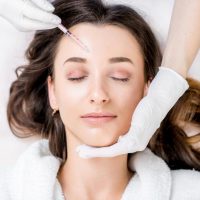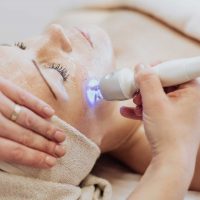
The benefits of microdermabrasion include smoother skin texture, reduced appearance of fine lines and wrinkles, improved hyperpigmentation, diminished acne scars, cleared pores, enhanced skincare product absorption, and stimulated collagen production. Microdermabrasion is a non-invasive exfoliation procedure that removes the outermost layer of dead skin cells (the stratum corneum) using either fine crystals or a diamond-tipped wand. According to the NCBI StatPearls medical reference, the technique is considered safe for all Fitzpatrick skin types, and complications are minimal. The global microdermabrasion devices market reached approximately $573 million in 2024, according to IMARC Group, with more than 50% of procedures targeting anti-aging and acne scar applications. This article covers every proven benefit of microdermabrasion, answers the real questions people search for, and explains who is the best candidate for this treatment.
Is Microdermabrasion Actually Good for Your Skin?
Yes, microdermabrasion is actually good for your skin because it removes the buildup of dead skin cells that cause dullness, clogged pores, and uneven texture, while also triggering the body’s natural healing response to produce new, healthier skin cells. According to a peer-reviewed evidence-based review published in PubMed, microdermabrasion can produce changes in dermal matrix constituents and result in improvement in skin contour irregularities.
A clinical study published in the Journal of Cosmetic Dermatology conducted histometric and histopathologic evaluations on 38 patients across four treatment groups (melasma, acne scars, striae distensae, and photoaging). After 8 consecutive weekly microdermabrasion treatments, the photoaging group showed moderate to marked clinical improvement. Histological analysis confirmed increased collagen fiber density and improved epidermal thickness.
Another study from the University of Michigan, published in Archives of Dermatology, tested microdermabrasion on subjects aged 50 to 83 and found that the treatment stimulated molecular changes that influence skin rejuvenation mechanisms. The controlled injury to the epidermis triggers a wound-healing cascade that activates fibroblasts, the cells responsible for producing collagen and elastin. This makes microdermabrasion a treatment that improves skin both immediately and progressively over time. For people dealing with skin texture and pore concerns, microdermabrasion offers a proven, gentle solution.
What Are the Proven Benefits of Microdermabrasion?
The proven benefits of microdermabrasion include immediate skin brightening, fine line reduction, hyperpigmentation correction, acne scar improvement, pore refinement, enhanced product absorption, and collagen stimulation. Each benefit is supported by clinical evidence and is one of the reasons this treatment has remained popular for decades.
A clinical efficacy study published in the Journal of Cosmetic Dermatology found that variables like fine wrinkles, dullness, pigmentation, and large pores significantly improved by the third microdermabrasion treatment, with further improvement by the sixth session. Colorimetry measurements confirmed increased skin brightness and decreased yellowness throughout the treatment course. Patient satisfaction rates in clinical studies consistently exceed 80%, according to Iconic Laser research.
The enhanced product absorption benefit is particularly valuable. Studies cited by the NCBI StatPearls reference demonstrate that microdermabrasion significantly enhances transdermal delivery of hydrophilic molecules like nicotinamide, improving topical treatment effectiveness by up to 40%. When you remove the stratum corneum, active ingredients in serums, moisturizers, and prescription products can penetrate deeper into the skin, reaching layers they normally cannot access. This means every product in your skincare routine works harder after a microdermabrasion treatment.
How Often Should You Do Microdermabrasion?
You should do microdermabrasion every 2 to 4 weeks for best results, depending on your skin type and the condition being treated. Most treatment protocols involve a series of 6 to 8 sessions at 1 to 2 week intervals, followed by monthly maintenance treatments to sustain the improvements. The clinical study on photoaging published in the Journal of Cosmetic Dermatology used 8 weekly sessions, which is a common protocol for addressing fine lines, texture, and pigmentation.
The skin’s natural cell turnover cycle takes approximately 28 days. Scheduling microdermabrasion treatments to align with this cycle ensures that each session removes a fresh layer of dead cells and keeps the skin in a constant state of renewal. After completing an initial series, many patients transition to monthly or bimonthly sessions as part of their ongoing skincare maintenance plan.
A randomized investigator-blind study published in PubMed evaluated a series of 6 microdermabrasion treatments spaced at 2-week intervals and found remarkable effects on skin barrier function that resulted in clinical improvements. This spacing gave the skin enough time to heal between sessions while maintaining continuous progress. Your provider can recommend the ideal frequency based on your specific skin concerns and how your skin responds to the initial treatments.
How Long Do Microdermabrasion Results Last?
Microdermabrasion results last approximately 2 to 4 weeks after a single session, with cumulative improvements lasting several months after a full treatment series. Immediate benefits like skin brightness, smoothness, and a refreshed glow are visible right after treatment. Clinical research shows sustained benefits up to 72 hours after a single session and further improvements at the 12-week mark when treatments are done in a series, according to Iconic Laser research data.
The longer-term benefits, like increased collagen density and improved epidermal thickness, develop progressively over 4 to 8 weeks through the collagen stimulation process. These structural improvements can last for months, especially when supported by a consistent skincare routine that includes sun protection, antioxidant serums, and regular maintenance treatments.
The key to lasting results is consistency. A single microdermabrasion session will give you an immediate glow, but it takes a series of treatments to produce meaningful changes in fine lines, pigmentation, and acne scars. Patients who combine microdermabrasion with complementary treatments like chemical peels or professional facials often see faster and more dramatic improvements.
Is Microdermabrasion Bad for Older Skin?
No, microdermabrasion is not bad for older skin. In fact, it can be especially beneficial for aging skin because it stimulates collagen production, which declines naturally with age. The University of Michigan study tested microdermabrasion specifically on subjects between the ages of 50 and 83 and found that the treatment triggered an array of molecular changes that influence skin rejuvenation. After the age of 20, the body produces about 1% less collagen per year, according to Scientific American. By the time someone reaches their 50s or 60s, collagen stimulation becomes one of the most valuable things a skincare treatment can provide.
The treatment is gentle enough for mature skin because it only removes the outermost layer of dead cells without penetrating deep into the dermis. According to the NCBI StatPearls reference, side effects of microdermabrasion are minimal, and most patients experience no adverse events. The most common reactions are mild redness and tenderness that resolve within hours.
Older patients who want to address fine lines and wrinkles without more aggressive procedures like laser resurfacing or deep chemical peels often find microdermabrasion to be the perfect starting point. It provides visible improvement with virtually no risk or downtime, and it can be combined with other anti-aging treatments for more comprehensive results.
What Is Better Than Microdermabrasion?
What is better than microdermabrasion depends on the specific skin concern being addressed. For deeper wrinkles and significant sun damage, laser skin resurfacing produces more dramatic results by reaching deeper layers of the skin. For acne scars and skin laxity, radiofrequency microneedling penetrates the dermis to stimulate collagen at a deeper level than microdermabrasion can reach. For pigmentation, medium-depth chemical peels often produce stronger results.
However, microdermabrasion has advantages that more aggressive treatments do not. It requires zero downtime, causes minimal discomfort, is safe for all skin types, and is one of the most affordable professional treatments available. According to the American Academy of Dermatology, acne affects approximately 50 million people in the United States annually. For many of these patients, microdermabrasion offers a gentle, effective approach to improving skin texture without the risks associated with stronger procedures.
The best approach for most patients is a combination strategy. Using microdermabrasion for regular maintenance alongside periodic deeper treatments like chemical peels or microneedling creates a layered plan that addresses both surface-level and deeper concerns. Combining microdermabrasion with a 5% retinoic acid chemical peel has been shown to produce greater histological improvements in photoaging compared to the chemical peel alone, according to research cited in the Microdermabrasion Evidence-Based Review.
Do Dermatologists Recommend Microdermabrasion?
Yes, dermatologists do recommend microdermabrasion for the right candidates and conditions. According to the NCBI StatPearls clinical reference, the procedure can be performed by trained clinicians, aestheticians, medical assistants, or nurses in an outpatient setting without anesthesia. It is recognized as a legitimate clinical tool for skin rejuvenation, and its safety profile makes it appropriate for a wide range of patients.
Approximately 60% of dermatology and beauty centers have integrated microdermabrasion as a key offering for skin rejuvenation, according to market data from Reanin. Over 40% of dermatology clinics adopted microdermabrasion devices for professional services in 2025, according to Market Growth Reports. The fact that dermatologists continue to perform and recommend the procedure after decades of availability speaks to its proven value in clinical practice.
Dermatologists most often recommend microdermabrasion for patients with mild to moderate skin concerns like dullness, rough texture, superficial acne scars, and early photoaging. For more severe conditions, they may recommend it as a complementary treatment alongside more powerful procedures rather than as a standalone solution.
Is One Session of Microdermabrasion Enough?
No, one session of microdermabrasion is not enough to achieve significant, lasting improvement. A single treatment will produce an immediate glow and smoother texture, but it takes a series of 4 to 8 treatments to see meaningful changes in fine lines, pigmentation, and acne scars. The clinical efficacy study published in PubMed found that fine wrinkles, dullness, pigmentation, and large pores significantly improved by the third treatment and continued improving through the sixth session.
The histological study published in the Journal of Cosmetic Dermatology showed that increased collagen fiber density and epidermal thickening became measurable after 4 sessions, with further improvements after 8 sessions. This is because collagen production takes time to build, and each treatment adds to the cumulative effect.
A single session is helpful as an introduction to the treatment or as a pre-event glow treatment. For lasting structural changes in the skin, committing to a full series is essential. Many providers offer treatment packages that make multiple sessions more accessible, and pairing microdermabrasion with treatments like dermaplaning or aqua facials can enhance results even further.
What Will My Face Look Like After Microdermabrasion?
After microdermabrasion, your face will look brighter, smoother, and more refreshed. Most patients notice an immediate improvement in skin radiance and softness as soon as the treatment is done. You may have mild redness that resembles a light sunburn, which typically fades within a few hours to one day. There is no peeling, crusting, or visible wound healing associated with the treatment.
In the first 24 to 48 hours, the skin may feel slightly sensitive and drier than usual because the protective stratum corneum layer has been removed. This is normal and temporary. It is also the reason why skincare products absorb so effectively during this window. Applying a hydrating serum and SPF sunscreen immediately after treatment is the standard protocol because the freshly exfoliated skin is more susceptible to UV damage.
Over the following days and weeks, the skin continues to improve as new cells replace the removed ones and collagen production ramps up. After a series of treatments, patients consistently report smoother texture, more even tone, and a visible reduction in fine lines and pore size. People who are also concerned about hyperpigmentation often see gradual lightening of dark spots and a more even complexion.
What Should You Avoid After Microdermabrasion?
What you should avoid after microdermabrasion includes direct sun exposure without SPF, harsh exfoliating products (retinoids, glycolic acid, scrubs) for at least 48 to 72 hours, heavy makeup for 24 hours, swimming in chlorinated pools, and hot saunas or steam rooms. According to the NCBI StatPearls reference, since stratum corneum removal occurs during microdermabrasion, the skin is more sensitive to photodamage for a few days after treatment.
Sunscreen is the single most important post-treatment product. A broad-spectrum SPF 30 or higher should be applied every day following microdermabrasion, even on cloudy days. Skipping sun protection after treatment can lead to increased pigmentation, which is the opposite of what the treatment is designed to achieve.
You should also avoid touching or picking at the treated skin. Let the skin heal naturally and apply gentle, hydrating products as recommended by your provider. After 48 to 72 hours, most patients can resume their regular skincare routine, including active ingredients like retinol and vitamin C, which will penetrate more effectively into the freshly exfoliated skin.
| Skin Concern | How Microdermabrasion Helps | Sessions Recommended | Expected Improvement |
|---|---|---|---|
| Dull, rough texture | Removes dead cell buildup, reveals fresh skin | 1 to 3 | Immediate brightness and smoothness |
| Fine lines and wrinkles | Stimulates collagen and elastin production | 6 to 8 | Moderate improvement, progressive firming |
| Hyperpigmentation and dark spots | Progressive exfoliation disperses melanin deposits | 6 to 8 | Mild to moderate lightening |
| Superficial acne scars | Smooths surface irregularities, promotes remodeling | 6 to 10 | Mild to moderate improvement |
| Enlarged pores and blackheads | Clears debris, reduces appearance of pore size | 3 to 6 | Visible pore refinement |
| Product absorption | Removes stratum corneum barrier temporarily | 1+ | Up to 40% improved absorption |
| Photoaging (sun damage) | Triggers wound-healing cascade and collagen renewal | 6 to 8 | Moderate to marked improvement |
Sources: Journal of Cosmetic Dermatology (El-Domyati et al.); Archives of Dermatology (Karimipour et al.); NCBI StatPearls; Green Relief Health clinical data; PubMed clinical efficacy studies.
What Is the Success Rate of Microdermabrasion?
The success rate of microdermabrasion is high for its intended applications. A study from Chang Gung Memorial Hospital’s Department of Dermatology concluded that all patients treated for facial scarring had good to excellent clinical improvement after an average of 9 consecutive treatments. In the photoaging study by Coimbra et al. published in Plastic and Reconstructive Surgery, patients reported statistically significant improvement in roughness, mottled pigmentation, and overall appearance. A separate 8-week study found that after 8 consecutive treatments, all subjects reported excellent results and stated that skin texture was smoother in the treated areas.
Patient satisfaction rates consistently exceed 80% in clinical studies, according to Iconic Laser research data. The treatment’s success rate is highest for surface-level concerns like dullness, rough texture, enlarged pores, and mild photoaging. For deeper concerns like moderate to severe acne scarring or deep wrinkles, the success rate is lower because microdermabrasion only reaches the superficial epidermis. These conditions typically require deeper treatments like exosome microneedling or laser resurfacing.
How Many Layers of Skin Does Microdermabrasion Remove?
Microdermabrasion removes only one layer of skin: the stratum corneum, which is the outermost layer of the epidermis. According to the NCBI StatPearls reference, the abrasive crystals or diamond tip cause gentle mechanical abrasion that ultimately removes this dead cell layer. The epidermis has five layers total, and the stratum corneum is the most superficial one. It is made up of dead, flattened cells that form a protective barrier.
Because microdermabrasion only removes this single superficial layer, it is one of the safest skin resurfacing procedures available. There is no risk of scarring, and the skin begins regenerating new cells immediately. The wound-healing response triggered by removing the stratum corneum is what drives the collagen stimulation and cell renewal benefits that develop over the following weeks.
Deeper treatments like medium chemical peels can penetrate through the epidermis into the papillary dermis, and deep peels or ablative lasers can reach even further. Each level of depth offers more dramatic results but also comes with increased risk and longer recovery. Microdermabrasion occupies the gentlest end of the resurfacing spectrum, making it ideal for maintenance and mild concerns.
Does Microdermabrasion Remove Blackheads on the Nose?
Yes, microdermabrasion does remove blackheads on the nose by physically clearing out the dead skin cells, oil, and debris that clog pores and form comedones. The suction component of the microdermabrasion device is particularly effective at extracting impurities from the skin’s surface, including the oxidized sebum plugs that appear as blackheads.
The nose is one of the most common areas for blackheads because it has a high concentration of sebaceous glands that produce oil. Regular microdermabrasion sessions keep pores clear and reduce the appearance of enlarged pores over time. A study published in PubMed found that 6 sessions of microdermabrasion produced a significant decrease in sebum content, which directly affects blackhead formation.
For patients who struggle with persistent blackheads and congested pores, combining microdermabrasion with treatments like aqua facials, which add a hydrating extraction step, can produce even cleaner, more refined results.
Frequently Asked Questions
Will My Face Peel After Microdermabrasion?
No, your face will not peel after microdermabrasion in the way it does after a chemical peel. The exfoliation happens during the treatment itself, not afterward. You may experience mild dryness or flaking in the 1 to 2 days following treatment, but this is minimal compared to the visible peeling associated with chemical peels. Keeping the skin hydrated with a gentle moisturizer resolves any dryness quickly.
Should You Wash Your Face Before Microdermabrasion?
Yes, you should wash your face before microdermabrasion. Arriving with a clean face free of makeup, sunscreen, and oils allows the device to work directly on the skin’s surface without any barrier. Most providers will also cleanse your skin at the beginning of the appointment to make sure the treatment area is completely clean before starting the procedure.
Do You Wash Your Face After Microdermabrasion?
Yes, you can wash your face after microdermabrasion, but use a gentle, non-abrasive cleanser and lukewarm water. Avoid scrubbing or using any harsh exfoliating products for at least 48 to 72 hours. The skin’s barrier has been temporarily thinned, so gentle care is essential during the healing window. Your provider will typically apply a soothing serum and SPF before you leave the office.
What Are the 5 Disadvantages of Microdermabrasion?
The 5 disadvantages of microdermabrasion are that it only treats surface-level concerns (not deep wrinkles or severe scars), it requires multiple sessions for significant results, it causes temporary sun sensitivity, it is not effective for deep pigmentation conditions like melasma on its own, and results fade without ongoing maintenance treatments. These limitations are why many providers combine microdermabrasion with deeper treatments as part of a comprehensive skincare plan.
What to Do Instead of Microdermabrasion?
Instead of microdermabrasion, you can consider chemical peels for deeper exfoliation, dermaplaning for dead skin and peach fuzz removal, microneedling for collagen induction and scar treatment, or laser skin resurfacing for significant sun damage and deep wrinkles. The right alternative depends on your specific skin concerns, tolerance for downtime, and budget. A consultation with an experienced provider is the best way to determine which treatment matches your goals.
What Is the Best Facial Treatment for Older Skin?
The best facial treatment for older skin is a combination approach that includes collagen-stimulating treatments like microneedling or radiofrequency, volume-restoring injectables like dermal fillers, muscle-relaxing neurotoxins like Botox, and maintenance treatments like microdermabrasion or chemical peels for ongoing texture and tone improvement. According to the 2024 ASPS report, patients aged 40 to 54 were the largest demographic for cosmetic procedures, and a layered treatment approach addresses the multiple signs of aging that develop simultaneously.
What Is the Average Cost of Microdermabrasion?
The average cost of microdermabrasion varies based on the provider, geographic area, and the specific device used, but most sessions fall within a moderate range that makes it one of the most accessible professional skincare treatments available. Many providers offer package pricing for a series of treatments, which brings the per-session cost down significantly. A consultation is the best way to get accurate pricing based on your specific treatment plan.
Final Thoughts
Microdermabrasion is one of the most proven, accessible, and versatile skincare treatments available. Backed by peer-reviewed clinical research, it delivers measurable improvements in skin texture, tone, fine lines, pore size, pigmentation, and product absorption with virtually no risk or downtime. The global microdermabrasion device market surpassed $573 million in 2024, reflecting how widely this treatment is used by both dermatologists and skincare professionals. Whether you are dealing with dull skin, early signs of aging, acne scars, or simply want to maintain a healthy, glowing complexion, microdermabrasion provides a solid foundation for any skincare routine.
The experienced team at Slimming Solutions Med Spa offers professional microdermabrasion treatments alongside a full menu of facial treatments designed to address every skin concern. Every treatment begins with a personalized consultation to determine the best approach for your unique skin type and goals. Call today or request a consultation to discover what microdermabrasion can do for your skin.
![[thumb]](https://slimmingsolutionsspa.com/wp-content/uploads/2023/12/botox1-150x150.png)
![[thumb]](https://slimmingsolutionsspa.com/wp-content/uploads/2023/12/Before2-150x150.png)
![[thumb]](https://slimmingsolutionsspa.com/wp-content/uploads/2023/12/Before3-150x150.png)


![[thumb]](https://slimmingsolutionsspa.com/wp-content/uploads/2023/12/revanesse-versa-1-150x150.png)
![[thumb]](https://slimmingsolutionsspa.com/wp-content/uploads/2023/12/revanesse-versa-2-150x150.png)
![[thumb]](https://slimmingsolutionsspa.com/wp-content/uploads/2023/12/revanesse-versa-3-150x150.png)
![[thumb]](https://slimmingsolutionsspa.com/wp-content/uploads/2023/12/revanesse-versa-4-150x150.png)
![[thumb]](https://slimmingsolutionsspa.com/wp-content/uploads/2023/12/revanesse-versa-5-150x150.png)
![[thumb]](https://slimmingsolutionsspa.com/wp-content/uploads/2024/01/Eyebrow-treatment-1-1-150x150.png)
![[thumb]](https://slimmingsolutionsspa.com/wp-content/uploads/2023/12/Skin-Rejuvenation-1-150x150.png)
![[thumb]](https://slimmingsolutionsspa.com/wp-content/uploads/2023/12/Skin-Rejuvenation-2-150x150.png)


![[thumb]](https://slimmingsolutionsspa.com/wp-content/uploads/2024/01/Lip-Filler-1-150x150.png)
![[thumb]](https://slimmingsolutionsspa.com/wp-content/uploads/2024/01/Lip-Filler-2-150x150.png)
![[thumb]](https://slimmingsolutionsspa.com/wp-content/uploads/2025/02/Lip-Filler-1-150x150.png)
![[thumb]](https://slimmingsolutionsspa.com/wp-content/uploads/2024/01/Lip-Filler-150x150.jpg)
![[thumb]](https://slimmingsolutionsspa.com/wp-content/uploads/2024/01/Before-1-150x150.jpg)

![[thumb]](https://slimmingsolutionsspa.com/wp-content/uploads/2024/01/RHA-Treatmetn-3-150x150.png)
![[thumb]](https://slimmingsolutionsspa.com/wp-content/uploads/2024/01/RHA-Treatmetn-2-150x150.png)
![[thumb]](https://slimmingsolutionsspa.com/wp-content/uploads/2024/01/RHA-Treatmetn-1-150x150.png)
![[thumb]](https://slimmingsolutionsspa.com/wp-content/uploads/2024/01/Thread-Lifts-1-150x150.png)
![[thumb]](https://slimmingsolutionsspa.com/wp-content/uploads/2024/01/Thread-Lifts-2-150x150.png)
![[thumb]](https://slimmingsolutionsspa.com/wp-content/uploads/2025/02/Lip-Filler-2-150x150.png)

![[thumb]](https://slimmingsolutionsspa.com/wp-content/uploads/2023/12/skin-reuvulation1-150x150.png)
![[thumb]](https://slimmingsolutionsspa.com/wp-content/uploads/2023/12/skin-rejuvulation-2-150x150.png)
![[thumb]](https://slimmingsolutionsspa.com/wp-content/uploads/2023/12/Skin-Tighting-150x150.png)
![[thumb]](https://slimmingsolutionsspa.com/wp-content/uploads/2023/12/Before-150x150.jpg)
![[thumb]](https://slimmingsolutionsspa.com/wp-content/uploads/2023/12/weightloss-1-150x150.png)
![[thumb]](https://slimmingsolutionsspa.com/wp-content/uploads/2023/12/weightloss-2-150x150.png)
![[thumb]](https://slimmingsolutionsspa.com/wp-content/uploads/2023/12/2Weight-Loss-2-150x150.png)
![[thumb]](https://slimmingsolutionsspa.com/wp-content/uploads/2025/02/Weight-Loss-1-new-150x150.png)
![[thumb]](https://slimmingsolutionsspa.com/wp-content/uploads/2023/12/Weight-Loss-3-150x150.png)
![[thumb]](https://slimmingsolutionsspa.com/wp-content/uploads/2025/03/Slimming-Solutions-BA-Template-150x150.png)


![[thumb]](https://slimmingsolutionsspa.com/wp-content/uploads/2023/12/dat3-150x150.png)
![[thumb]](https://slimmingsolutionsspa.com/wp-content/uploads/2023/12/dat-0-150x150.png)
![[thumb]](https://slimmingsolutionsspa.com/wp-content/uploads/2023/12/dat-1-150x150.png)
![[thumb]](https://slimmingsolutionsspa.com/wp-content/uploads/2023/12/Before-1-150x150.png)

![[thumb]](https://slimmingsolutionsspa.com/wp-content/uploads/2024/01/EMS-Treatment-2-150x150.png)
![[thumb]](https://slimmingsolutionsspa.com/wp-content/uploads/2024/01/EMS-Treatment-1-150x150.png)
![[thumb]](https://slimmingsolutionsspa.com/wp-content/uploads/2025/02/ems-BNA-front-150x150.png)
![[thumb]](https://slimmingsolutionsspa.com/wp-content/uploads/2025/02/EMS-bna-SIDE-150x150.png)
![[thumb]](https://slimmingsolutionsspa.com/wp-content/uploads/2024/01/EMS-Treatment-6-150x150.png)