
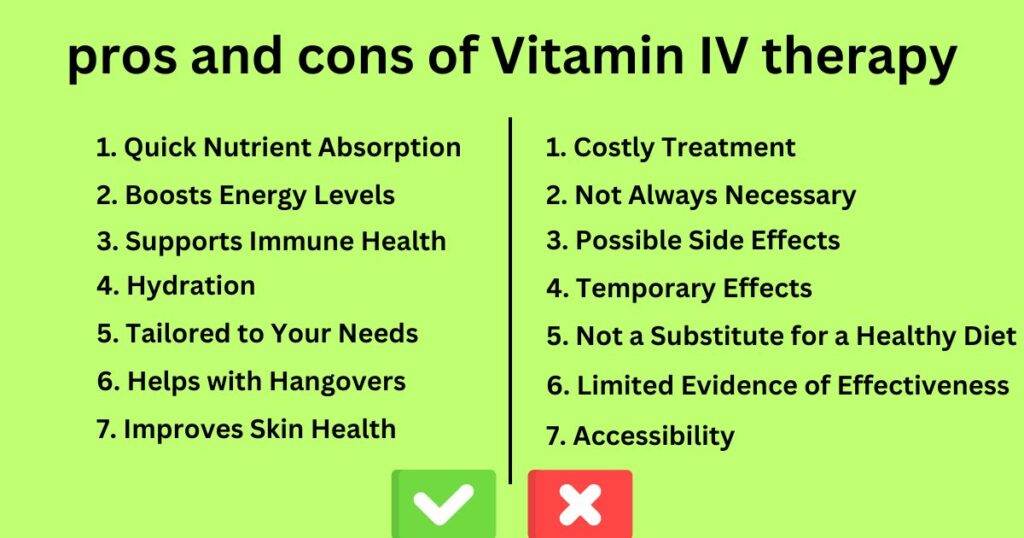
The pros of vitamin IV therapy include faster nutrient absorption, immediate hydration, and customized vitamin blends, while the cons include potential side effects, higher cost than oral supplements, and limited scientific evidence for healthy individuals. According to a market research report by Precedence Research, the global IV hydration therapy market reached $2.71 billion in 2024 and is projected to grow to $5.84 billion by 2034, showing just how popular this treatment has become. This article breaks down the 7 most important pros and cons of vitamin IV therapy so you can decide if it is right for you.
Do IV Vitamin Infusions Really Work?
Yes, IV vitamin infusions really work for delivering nutrients directly into the bloodstream, bypassing the digestive system entirely. When you take a vitamin pill by mouth, your body absorbs only about 50% of the nutrients after they pass through the stomach and digestive tract. With an IV infusion, absorption rates reach close to 90 to 100%, according to clinical pharmacist Dena Westphalen, PharmD, in a report published by Healthline.
However, the question of whether IV vitamin infusions work for improving wellness in otherwise healthy people is more complicated. Dr. Brent Bauer, director of research at the Mayo Clinic’s section of Integrative Medicine and Health, states that the evidence supporting IV vitamin therapy’s benefits for healthy people with normal nutrient levels is limited. Mayo Clinic notes that high-quality studies are still needed to confirm many of the wellness claims made by IV therapy providers.
Where IV therapy shows the strongest evidence is in clinical settings. Patients with digestive disorders like Crohn’s disease, ulcerative colitis, and celiac disease often cannot absorb nutrients properly through food alone. For these individuals, IV therapy treatments can be a highly effective way to restore nutrient levels. A 2009 study published in the Journal of Alternative and Complementary Medicine found that fibromyalgia patients who received the Myers’ Cocktail IV showed improvements in pain, depression, and quality of life over eight weeks.
What Are the Pros of Vitamin IV Therapy?
The pros of vitamin IV therapy are faster absorption, immediate hydration, customizable nutrient blends, immune system support, improved energy, better skin health, and convenience. These benefits explain why the treatment has grown rapidly, with a reported 30% increase in mobile IV therapy providers in 2023 alone, according to market data from Worldwide Market Reports.
Pro #1: How Fast Do IV Vitamins Work?
IV vitamins work fast because they enter your bloodstream immediately. Most people begin to feel the effects within 30 to 60 minutes during the infusion itself. Because the nutrients skip the digestive process entirely, your body can use them right away instead of waiting hours for oral supplements to break down and absorb.
According to a review published in the journal Cureus by the National Library of Medicine, IV vitamin therapy provides “enhanced bioavailability, higher therapeutic dosages, and targeted nutrient replenishment.” This rapid delivery is especially helpful for people who are severely dehydrated, recovering from illness, or preparing for a physically demanding event. Athletes and busy professionals often use IV therapy to get a quick nutrient boost before or after intense activity.
Pro #2: Does Your Body Feel Refreshed After IV Therapy?
Yes, your body does feel refreshed after IV therapy because the treatment delivers hydration along with vitamins and minerals directly into the bloodstream. The saline solution used in most IV drips contains electrolytes like sodium chloride that help relieve symptoms of dehydration, including fatigue, dizziness, and brain fog.
Many patients report feeling more energized and alert within hours of their session. The Journal of the American Medical Association has reported that 3 out of 4 Americans are deficient in at least one essential nutrient. When those missing nutrients are restored quickly through IV delivery, the body responds with noticeable improvements in energy, mood, and overall well-being. Hydration alone can make a significant difference, since even mild dehydration (as low as 1 to 2% of body weight) can impair cognitive performance and physical endurance according to research from the National Institutes of Health.
Pro #3: Can Vitamin IV Therapy Boost Your Immune System?
Vitamin IV therapy can boost your immune system by delivering high doses of vitamin C and other immune-supporting nutrients directly into the bloodstream. Vitamin C is a powerful antioxidant that plays a key role in white blood cell production, wound healing, and fighting off infections.
An analysis of NHANES data from 2005 to 2016, published by the National Institutes of Health, found that significant portions of the U.S. adult population have inadequate intakes of immune-supporting nutrients including vitamins C, D, E, and zinc. IV therapy can rapidly correct these shortfalls. Some research has shown that IV vitamin C may improve quality of life in cancer patients, though the FDA has not approved it as a cancer treatment. During cold and flu season, many people turn to vitamin infusions and injections for an extra layer of immune defense.
Pro #4: Can You Customize IV Therapy to Your Needs?
Yes, you can customize IV therapy to your specific health needs and wellness goals. Unlike a standard multivitamin pill that gives everyone the same formula, IV therapy allows a provider to create a blend of vitamins, minerals, and antioxidants based on your individual requirements.
Common customizable formulas include the Myers’ Cocktail (magnesium, calcium, B vitamins, and vitamin C), NAD+ infusions for anti-aging and cognitive support, glutathione for detoxification, and high-dose vitamin C for immune support. According to Mordor Intelligence, vitamin cocktails captured 44.6% of the IV hydration therapy market share in 2024, making them the most popular infusion type. A qualified provider will review your health history and may order lab work to identify specific deficiencies before building your custom drip. This personalized approach is one of the biggest advantages IV therapy has over generic oral supplements.
What Are the Cons of Vitamin IV Therapy?
The cons of vitamin IV therapy are the higher cost compared to oral supplements, potential side effects from the IV process itself, risk of vitamin toxicity, limited scientific evidence for healthy individuals, and the fact that it must be administered by a trained medical professional.
Con #1: Are Infusions Worth the Money?
Whether infusions are worth the money depends on your individual health situation, goals, and budget. A single IV vitamin therapy session typically ranges from $250 to $800, according to Mayo Clinic Press. This is significantly more expensive than a bottle of oral vitamins, which may only cost $10 to $30 per month.
For people with documented nutrient deficiencies, digestive disorders that prevent proper absorption, or specific medical conditions, the investment can be worthwhile because the treatment delivers measurable results that oral supplements cannot match. However, Dr. Bauer at Mayo Clinic cautions that for otherwise healthy people with normal nutrient levels, IV therapy may not provide benefits beyond what a balanced diet and standard multivitamin can offer. He notes the “risk of diverting resources and money” away from lifestyle changes like better nutrition, exercise, and sleep that have stronger evidence behind them. Weighing the cost against your personal health needs is the best approach.
Con #2: What Are the Disadvantages of IV Vitamin Therapy?
The disadvantages of IV vitamin therapy include the risk of infection at the injection site, potential allergic reactions, the possibility of vitamin toxicity, and the requirement that a trained medical professional must administer the treatment. These risks are generally low when IV therapy is performed in a reputable clinical setting with proper safety protocols.
According to the Merck Manual, adverse effects from IV vitamin therapy can include warmth and flushing, muscle cramps, low blood pressure, and fainting. The U.S. Food and Drug Administration (FDA) has also warned consumers about the safety of IV mixtures from unregulated hydration clinics and spas. High doses of certain vitamins can be harmful; for example, excess vitamin C can increase the risk of kidney stones, and large amounts of vitamin A can cause serious health problems according to WebMD. People with kidney disease, heart conditions, or those who are pregnant should consult a doctor before receiving IV therapy.
Con #3: Will Insurance Pay for IV Infusions?
Insurance will not pay for IV infusions in most cases when the treatment is used for elective wellness purposes. Standard health insurance plans consider wellness IV drips to be cosmetic or elective, meaning they are not covered. You will typically pay out of pocket for each session.
There are exceptions. When IV therapy is prescribed by a physician to treat a specific medical condition, such as severe dehydration, chemotherapy-related nutrient depletion, or a diagnosed malabsorption disorder, insurance may cover part or all of the cost. The 21st Century Cures Act also allows Medicaid coverage of home infusion therapy for qualifying medical conditions, according to the Centers for Medicare and Medicaid Services. For elective wellness IV treatments, many med spas offer membership programs or package pricing to help reduce the per-session cost over time.
What Is the Myers Cocktail?
The Myers Cocktail is a popular IV vitamin formula that contains magnesium, calcium, B vitamins (B1, B2, B3, B5, B6, and B12), and vitamin C, all mixed in a sterile saline solution. It was developed by Dr. John Myers, a physician from Baltimore who pioneered IV nutrient therapy in the 1960s and 1970s.
After Dr. Myers passed away in 1984, his colleague Dr. Alan Gaby continued treating patients with a modified version of the formula. Dr. Gaby documented 16 years of clinical results from an estimated 800 to 1,000 patients and reported it to be a safe and effective treatment for conditions including chronic fatigue, migraines, fibromyalgia, and seasonal allergies, according to his research published in the journal Alternative Medicine Review.
A controlled clinical study conducted at Yale University and published in the Journal of Alternative and Complementary Medicine tested the Myers’ Cocktail on 34 adults with fibromyalgia. After eight weeks of weekly infusions, participants who received the treatment showed improvements in pain levels, depression, and quality of life. However, the placebo group also showed some improvements, and researchers noted that the small sample size and high placebo effect make definitive conclusions difficult. The Myers’ Cocktail remains the most widely requested IV formula and is a staple of health and wellness treatments at med spas across the country.
How Often Should I Get a Vitamin IV Drip?
How often you should get a vitamin IV drip depends on your health goals, nutrient levels, and the specific formula you receive. Most providers recommend once every 1 to 2 weeks for active health concerns, and once a month for general wellness maintenance.
Some patients receive IV therapy more frequently during periods of high stress, illness recovery, or intense physical training. Others schedule monthly sessions as part of their regular self-care routine. It is important not to overdo IV therapy, as receiving treatments too frequently can lead to electrolyte imbalances or overhydration. The Merck Manual warns that excessive IV vitamin administration can upset electrolyte levels, and a potassium overdose can result in potentially dangerous heart rhythm changes.
A qualified provider will help you determine the right frequency based on your lab results and overall health. Getting blood work done before starting IV therapy helps identify specific deficiencies and ensures the treatment is targeted and safe. Regular follow-ups can track your progress and adjust the formula or frequency as needed.
How Long Does It Take to See Results After an IV Drip?
It takes most people 30 to 60 minutes during the infusion itself to begin feeling the effects of an IV drip. Many patients report increased energy, improved mental clarity, and better hydration within hours of their session. The full benefits of the treatment may continue to develop over the next 24 to 72 hours as the body uses the delivered nutrients.
The speed of results depends on what nutrients are in the drip and what your body needs most. If you are significantly dehydrated, you may feel better almost immediately from the fluid alone. If you are receiving vitamins to address a deficiency, it may take a few sessions before you notice lasting improvements. A study published in Cureus found that IV therapy provides “immediate absorption and utilization by tissues and cells,” which explains why the effects are typically felt much faster than with oral supplements that need hours to pass through the digestive system.
How Long Does Vitamin C Stay in the Body With an IV Infusion?
Vitamin C stays in the body for a few hours to a few days after an IV infusion, depending on the dose and your body’s needs. Vitamin C is a water-soluble vitamin, which means the body does not store it long-term. The kidneys filter out excess amounts and remove them through urine.
After a high-dose IV infusion, blood levels of vitamin C spike significantly higher than what is achievable through oral supplementation. Research from the National Institutes of Health shows that IV vitamin C can produce blood levels 30 to 70 times higher than oral doses. These elevated levels begin to drop within hours as the body uses and excretes the vitamin. This is why regular sessions are often recommended for people who want to maintain higher vitamin C levels for immune support or overall wellness. For a broader nutrient approach, some patients combine vitamin C drips with peptide therapy or other targeted treatments.
Who Should Avoid IV Drips?
People who should avoid IV drips include those with kidney disease, heart conditions, a history of congestive heart failure, and women who are pregnant or breastfeeding. These groups face higher risks because their bodies may not be able to process high concentrations of vitamins and minerals at one time.
According to the Merck Manual, people with kidney disease are especially at risk because the kidneys are responsible for filtering excess vitamins and minerals from the blood. Overloading the kidneys with high-dose nutrients can cause serious complications. People with heart conditions may experience dangerous changes in heart rhythm from high levels of certain minerals like potassium, magnesium, or calcium delivered intravenously.
Additionally, anyone currently taking prescription blood thinners, medications that affect kidney function, or drugs that interact with specific vitamins should consult their doctor before starting IV therapy. A reputable provider will always review your full medical history, medications, and allergies before administering any IV treatment. At a trusted med spa, every session begins with a health screening to keep patients safe.
What Can Go Wrong During an Infusion?
What can go wrong during an infusion includes minor issues like bruising, redness, or discomfort at the injection site, and rare but more serious complications like infection, allergic reaction, or air embolism. The vast majority of IV therapy sessions are completed without any problems when performed by trained professionals in a clean clinical environment.
The FDA has expressed concerns about IV vitamin mixtures from unregulated wellness clinics and spas. The National Association of Boards of Pharmacy has echoed these warnings, according to a report by Cleveland Clinic. Common minor side effects include a temporary warm or flushing sensation (especially with magnesium), slight dizziness, and mild nausea. These typically resolve on their own within minutes.
Serious complications are rare but can occur if the treatment is administered by unqualified staff or if proper sterilization protocols are not followed. This is why it is critical to receive IV therapy from a licensed medical facility where staff follow strict safety standards. At a reputable med spa practice, every infusion is monitored by licensed medical professionals who can respond immediately to any adverse reaction.
What Not to Do After Vitamin IV Drip?
After a vitamin IV drip, you should not consume alcohol, engage in intense exercise, or skip hydration for the rest of the day. These activities can interfere with how your body processes and uses the nutrients that were just delivered.
Alcohol acts as a diuretic and can accelerate the loss of the fluids and vitamins you just received. Strenuous exercise increases blood flow and can cause bruising or discomfort at the injection site. You should also avoid rubbing or applying pressure to the area where the IV was inserted for at least a few hours to prevent bruising or irritation.
What you should do after an IV drip is drink plenty of water, eat a nutritious meal, and allow your body time to rest and absorb the nutrients. Most people can return to their normal activities right after treatment, but listening to your body is important. If you feel lightheaded or experience any unusual symptoms, contact your provider. Following these simple steps helps you get the maximum benefit from each session.
| Factor | IV Vitamin Therapy | Oral Supplements |
|---|---|---|
| Absorption Rate | 90 to 100% | About 50% or less |
| Speed of Results | Within 30 to 60 minutes | Hours to days |
| Customization | Fully customizable blends | Standard formulas |
| Cost Per Session | $250 to $800 | $10 to $30 per month |
| Professional Required | Yes, licensed medical staff | No, self-administered |
| Risk of Side Effects | Low (bruising, infection possible) | Very low (GI upset possible) |
| Best For | Deficiencies, rapid recovery, malabsorption | Daily maintenance, mild deficiencies |
Sources: Healthline (Dena Westphalen, PharmD); Mayo Clinic Press; National Institutes of Health; Merck Manual; Journal of Alternative and Complementary Medicine
Frequently Asked Questions
Are IV Vitamins a Good Idea?
IV vitamins are a good idea for people with documented nutrient deficiencies, digestive disorders that prevent proper absorption, or specific health conditions that benefit from rapid nutrient delivery. For otherwise healthy individuals with a balanced diet, the evidence supporting significant benefits beyond oral supplementation is limited. According to Mayo Clinic, a consultation with a healthcare provider is the best way to determine if IV therapy aligns with your health needs.
How Do You Feel After an IV Vitamin Infusion?
After an IV vitamin infusion, most people feel more hydrated, energized, and mentally clear. Some patients describe feeling refreshed and lighter, similar to how you feel after drinking plenty of water on a hot day. Minor side effects like a warm sensation during the infusion or slight bruising at the injection site are possible but usually resolve within hours. The positive effects of a single session can last anywhere from a few days to a couple of weeks depending on the formula and your body’s nutrient needs.
Is IV Vitamin C Hard on the Liver?
IV vitamin C is not hard on the liver for most healthy people. Vitamin C is a water-soluble vitamin that the body processes and excretes through the kidneys, not the liver. However, extremely high doses of IV vitamin C can increase the production of oxalates, which may raise the risk of kidney stones in susceptible individuals according to WebMD. People with existing liver disease, kidney problems, or a condition called G6PD deficiency should consult a doctor before receiving high-dose IV vitamin C.
What Is the Rule of 4 for IV Fluids?
The rule of 4 for IV fluids is a clinical guideline used by medical professionals to calculate maintenance fluid rates for patients based on body weight. It follows a “4-2-1” formula: 4 milliliters per kilogram per hour for the first 10 kilograms of body weight, 2 milliliters per kilogram per hour for the next 10 kilograms, and 1 milliliter per kilogram per hour for every kilogram after that. This rule is used primarily in hospital settings and is different from the IV vitamin therapy drips used at wellness clinics and med spas.
Why Are IV Drips Banned in Some Places?
IV drips are banned or restricted in some places because of safety concerns related to unregulated clinics and unqualified staff administering the treatments. The FDA has warned about the safety of IV mixtures from hydration clinics that do not follow proper medical oversight. In the United States, IV solutions are regulated as prescription drugs and must be prescribed by a licensed medical professional. Some states have enacted stricter laws requiring physician supervision during all IV therapy sessions to protect consumers from potential harm.
How Long Does a Vitamin IV Drip Last in Your System?
A vitamin IV drip lasts in your system for varying lengths of time depending on the specific nutrients delivered. Water-soluble vitamins like B12 and vitamin C are used by the body quickly and excess amounts are excreted within hours to days. Fat-soluble vitamins and minerals like magnesium may remain in the body longer. Most patients report feeling the positive effects of a single IV session for about 1 to 2 weeks. Regular sessions help maintain consistent nutrient and hormone balance over time.
What Are 5 Physical Signs You Are Taking Too Much Vitamin C?
The 5 physical signs you are taking too much vitamin C are stomach cramps and diarrhea, nausea and vomiting, heartburn and acid reflux, headaches, and kidney stone symptoms like flank pain. According to the National Institutes of Health, the upper daily limit for vitamin C in adults is 2,000 milligrams from all sources. Exceeding this limit regularly, especially through high-dose IV infusions, can cause these digestive and urinary symptoms. A qualified medical team will monitor your dosage carefully to avoid these issues.
Final Thoughts
Vitamin IV therapy offers clear benefits for the right candidates, including faster nutrient absorption, immediate hydration, immune support, and customizable formulas that target your specific health needs. At the same time, it is important to weigh the cons, including cost, the need for professional administration, and the limited evidence for healthy individuals without nutrient deficiencies. The safest and most effective approach is to work with a licensed medical provider who can evaluate your health, review lab work, and recommend the right treatment plan.
If you are ready to explore what IV vitamin therapy can do for your energy, immunity, and overall wellness, schedule a consultation with the experienced team at Slimming Solutions Med Spa. Their licensed medical professionals provide personalized IV formulas in a safe, relaxing clinical environment. With over 2,000 IV drips administered and an impeccable safety record, you are in trusted hands. Call today or request a consultation to get started.
![[thumb]](https://slimmingsolutionsspa.com/wp-content/uploads/2023/12/botox1-150x150.png)
![[thumb]](https://slimmingsolutionsspa.com/wp-content/uploads/2023/12/Before2-150x150.png)
![[thumb]](https://slimmingsolutionsspa.com/wp-content/uploads/2023/12/Before3-150x150.png)


![[thumb]](https://slimmingsolutionsspa.com/wp-content/uploads/2023/12/revanesse-versa-1-150x150.png)
![[thumb]](https://slimmingsolutionsspa.com/wp-content/uploads/2023/12/revanesse-versa-2-150x150.png)
![[thumb]](https://slimmingsolutionsspa.com/wp-content/uploads/2023/12/revanesse-versa-3-150x150.png)
![[thumb]](https://slimmingsolutionsspa.com/wp-content/uploads/2023/12/revanesse-versa-4-150x150.png)
![[thumb]](https://slimmingsolutionsspa.com/wp-content/uploads/2023/12/revanesse-versa-5-150x150.png)
![[thumb]](https://slimmingsolutionsspa.com/wp-content/uploads/2024/01/Eyebrow-treatment-1-1-150x150.png)
![[thumb]](https://slimmingsolutionsspa.com/wp-content/uploads/2023/12/Skin-Rejuvenation-1-150x150.png)
![[thumb]](https://slimmingsolutionsspa.com/wp-content/uploads/2023/12/Skin-Rejuvenation-2-150x150.png)


![[thumb]](https://slimmingsolutionsspa.com/wp-content/uploads/2024/01/Lip-Filler-1-150x150.png)
![[thumb]](https://slimmingsolutionsspa.com/wp-content/uploads/2024/01/Lip-Filler-2-150x150.png)
![[thumb]](https://slimmingsolutionsspa.com/wp-content/uploads/2025/02/Lip-Filler-1-150x150.png)
![[thumb]](https://slimmingsolutionsspa.com/wp-content/uploads/2024/01/Lip-Filler-150x150.jpg)
![[thumb]](https://slimmingsolutionsspa.com/wp-content/uploads/2024/01/Before-1-150x150.jpg)

![[thumb]](https://slimmingsolutionsspa.com/wp-content/uploads/2024/01/RHA-Treatmetn-3-150x150.png)
![[thumb]](https://slimmingsolutionsspa.com/wp-content/uploads/2024/01/RHA-Treatmetn-2-150x150.png)
![[thumb]](https://slimmingsolutionsspa.com/wp-content/uploads/2024/01/RHA-Treatmetn-1-150x150.png)
![[thumb]](https://slimmingsolutionsspa.com/wp-content/uploads/2024/01/Thread-Lifts-1-150x150.png)
![[thumb]](https://slimmingsolutionsspa.com/wp-content/uploads/2024/01/Thread-Lifts-2-150x150.png)
![[thumb]](https://slimmingsolutionsspa.com/wp-content/uploads/2025/02/Lip-Filler-2-150x150.png)

![[thumb]](https://slimmingsolutionsspa.com/wp-content/uploads/2023/12/skin-reuvulation1-150x150.png)
![[thumb]](https://slimmingsolutionsspa.com/wp-content/uploads/2023/12/skin-rejuvulation-2-150x150.png)
![[thumb]](https://slimmingsolutionsspa.com/wp-content/uploads/2023/12/Skin-Tighting-150x150.png)
![[thumb]](https://slimmingsolutionsspa.com/wp-content/uploads/2023/12/Before-150x150.jpg)
![[thumb]](https://slimmingsolutionsspa.com/wp-content/uploads/2023/12/weightloss-1-150x150.png)
![[thumb]](https://slimmingsolutionsspa.com/wp-content/uploads/2023/12/weightloss-2-150x150.png)
![[thumb]](https://slimmingsolutionsspa.com/wp-content/uploads/2023/12/2Weight-Loss-2-150x150.png)
![[thumb]](https://slimmingsolutionsspa.com/wp-content/uploads/2025/02/Weight-Loss-1-new-150x150.png)
![[thumb]](https://slimmingsolutionsspa.com/wp-content/uploads/2023/12/Weight-Loss-3-150x150.png)
![[thumb]](https://slimmingsolutionsspa.com/wp-content/uploads/2025/03/Slimming-Solutions-BA-Template-150x150.png)


![[thumb]](https://slimmingsolutionsspa.com/wp-content/uploads/2023/12/dat3-150x150.png)
![[thumb]](https://slimmingsolutionsspa.com/wp-content/uploads/2023/12/dat-0-150x150.png)
![[thumb]](https://slimmingsolutionsspa.com/wp-content/uploads/2023/12/dat-1-150x150.png)
![[thumb]](https://slimmingsolutionsspa.com/wp-content/uploads/2023/12/Before-1-150x150.png)

![[thumb]](https://slimmingsolutionsspa.com/wp-content/uploads/2024/01/EMS-Treatment-2-150x150.png)
![[thumb]](https://slimmingsolutionsspa.com/wp-content/uploads/2024/01/EMS-Treatment-1-150x150.png)
![[thumb]](https://slimmingsolutionsspa.com/wp-content/uploads/2025/02/ems-BNA-front-150x150.png)
![[thumb]](https://slimmingsolutionsspa.com/wp-content/uploads/2025/02/EMS-bna-SIDE-150x150.png)
![[thumb]](https://slimmingsolutionsspa.com/wp-content/uploads/2024/01/EMS-Treatment-6-150x150.png)