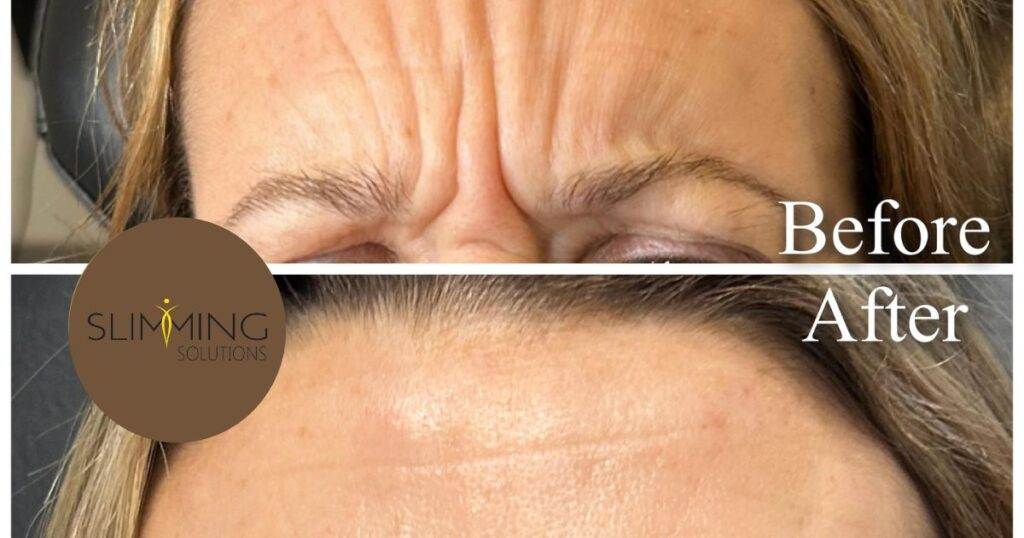
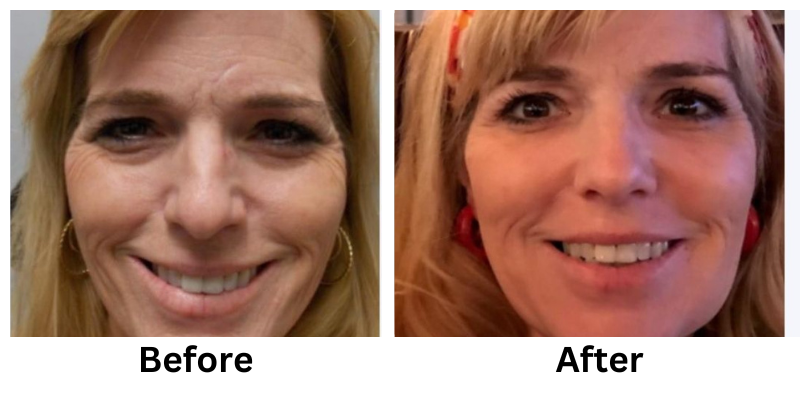
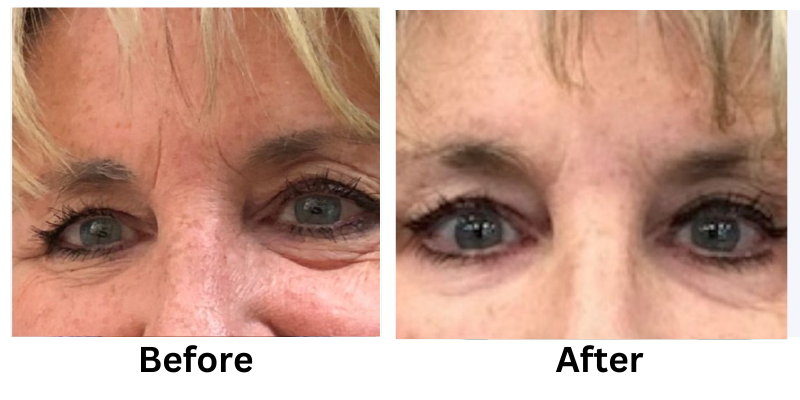
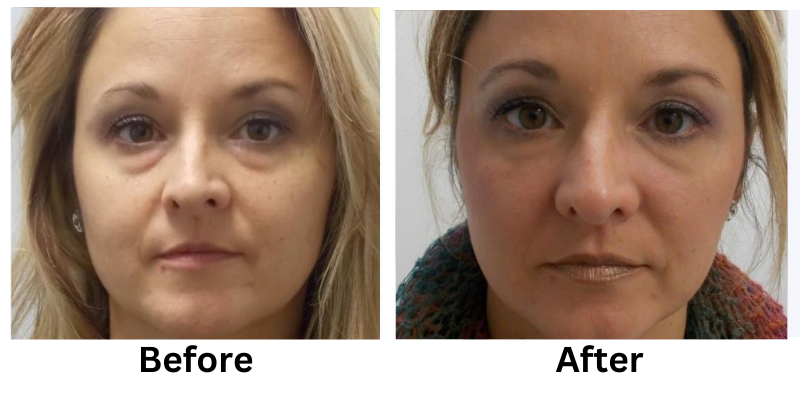
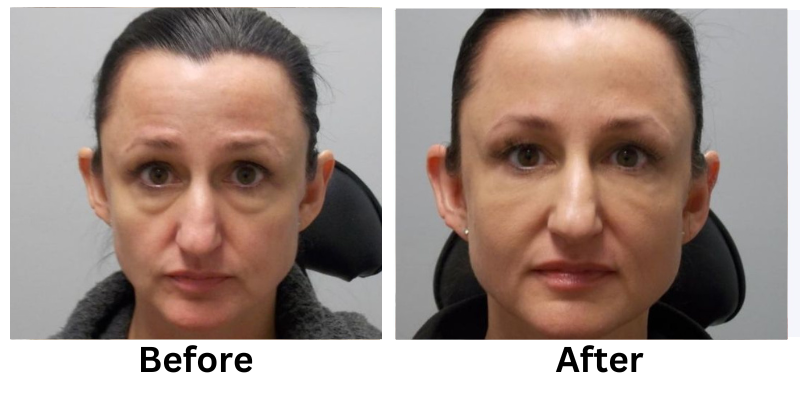
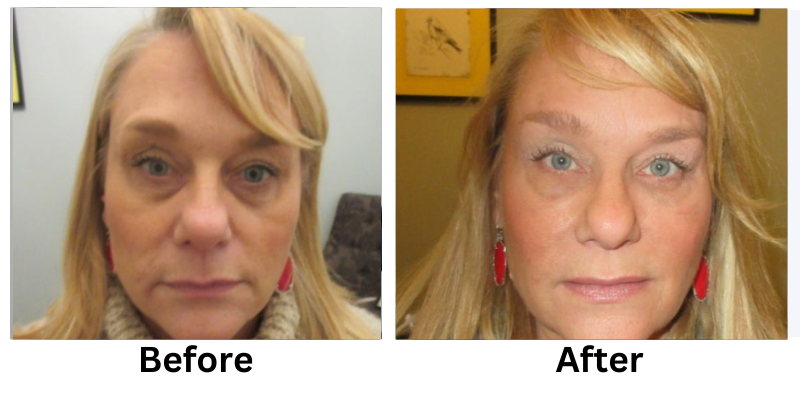
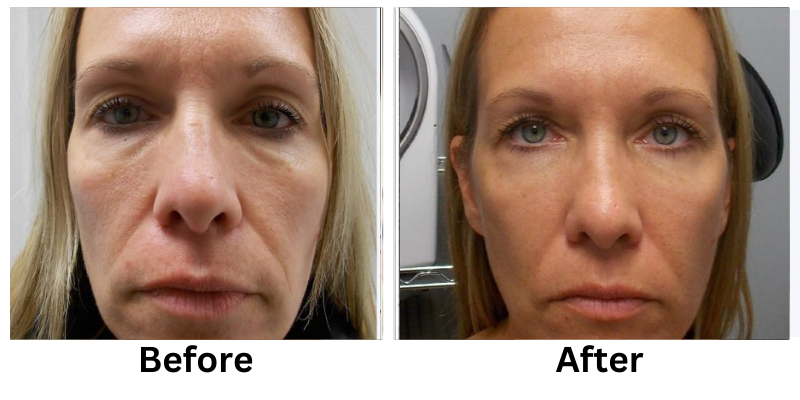
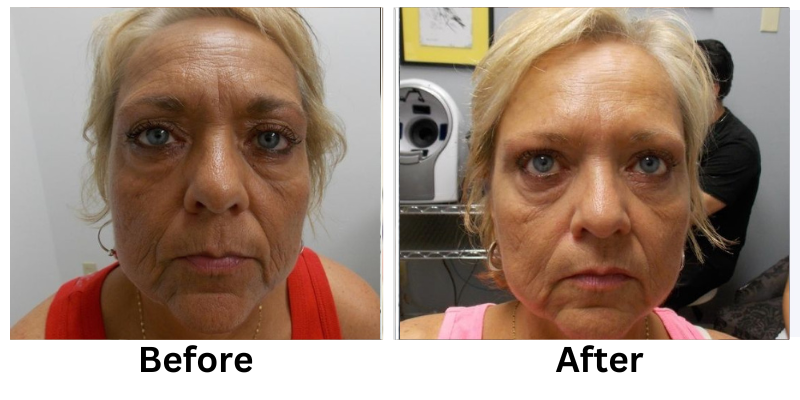
20 units of Botox before and after treatment can deliver subtle, natural-looking improvements to your face. This moderate dose smooths fine lines, softens expression wrinkles, and gives your skin a refreshed, more youthful appearance. According to the American Society of Plastic Surgeons, 4.7 million botulinum toxin procedures were performed in the United States in 2023 alone, making it the most popular non-surgical cosmetic treatment in the country. This article covers what 20 units of Botox can treat, what results look like before and after, how long the effects last, and answers to common questions people ask about this dosage.
Can 20 Units of Botox Make a Difference?
Yes, 20 units of Botox can make a noticeable difference in your appearance. This amount is enough to treat one to two facial areas and smooth out mild to moderate wrinkles. Many first-time patients start with 20 units to see how their body responds before committing to a larger dose.
Botox is measured in units, and each unit represents a standardized amount of botulinum toxin type A. According to Allergan, the manufacturer of Botox, the FDA-approved dose for frown lines (glabella) is 20 units. This means 20 units is the clinical standard for one of the most commonly treated areas on the face.
A study published in the Journal of Cosmetic Dermatology found that approximately 90% of patients reported being satisfied with their natural-looking results 30 days after receiving Botox cosmetic treatments. The key is having a skilled injector who places the units precisely where they are needed.
Where Should I Put 20 Units of Botox?
You should put 20 units of Botox in one or two targeted areas depending on your facial anatomy and treatment goals. The most common placement options for 20 units include the frown lines between the eyebrows, the forehead, or the crow’s feet around the eyes.
According to Allergan’s prescribing guidelines, 20 units is the standard dose for treating glabellar lines (the vertical “11” lines between the eyebrows). If you have mild forehead lines, a provider might split 20 units between the forehead and frown area, though many injectors recommend treating both together for balanced results.
Here is how 20 units are typically distributed across common treatment areas:
For frown lines alone, the full 20 units go into the corrugator and procerus muscles between the brows. For crow’s feet, 20 units can treat both eyes at about 10 units per side. Some patients choose to split their 20 units with 10 to 15 for the frown lines and 5 to 10 for the forehead. A trained injector will evaluate your fine lines and wrinkles and recommend the best placement for your specific needs.
How Many Units of Botox Do You Need for a 40-Year-Old?
The number of units of Botox a 40-year-old needs depends on the treatment areas, muscle strength, and wrinkle severity, but most patients in this age group use between 20 and 60 units total. Data from the International Society of Aesthetic Plastic Surgery shows that the largest age group receiving Botox treatments is 35 to 50 years old, making up about 47% of all Botox patients worldwide.
At 40, wrinkles tend to be moderate and still respond well to Botox. A typical treatment plan for a 40-year-old might include 20 units for frown lines, 10 to 20 units for the forehead, and 10 to 24 units for crow’s feet. Starting with 20 units in one area is a smart approach if you are new to Botox at this age.
The American Academy of Dermatology recommends working with a qualified provider to create a customized treatment plan. Muscle strength varies from person to person, and men often need more units than women because their facial muscles tend to be larger and stronger.
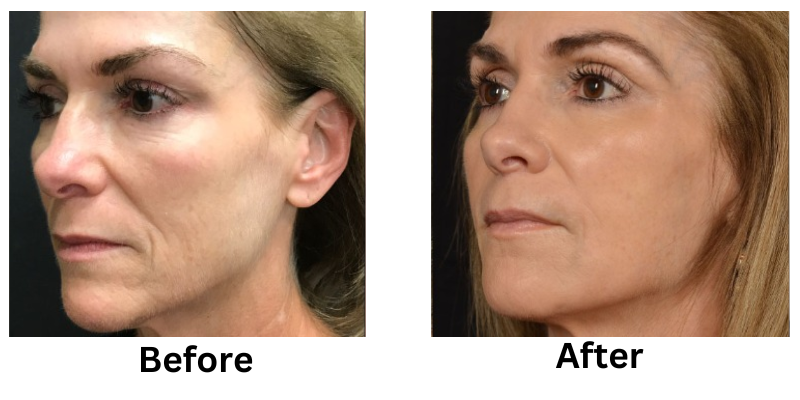
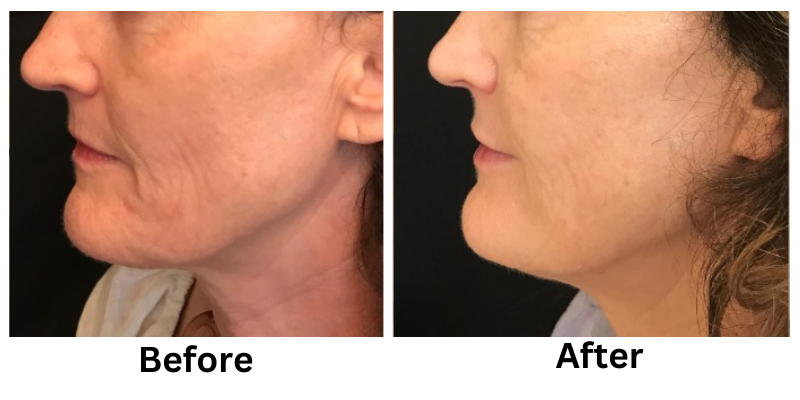
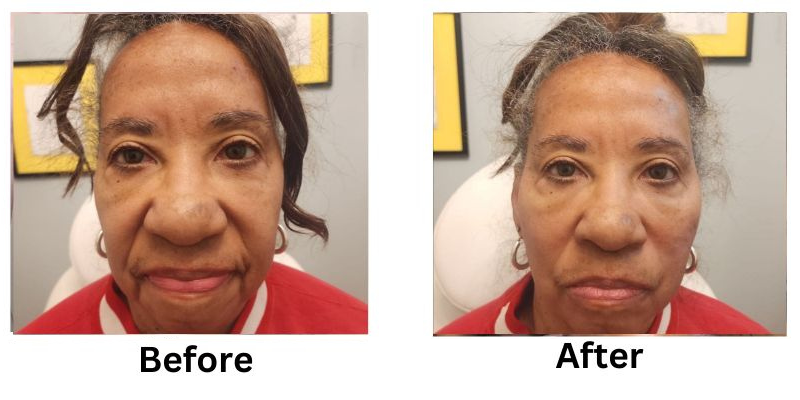
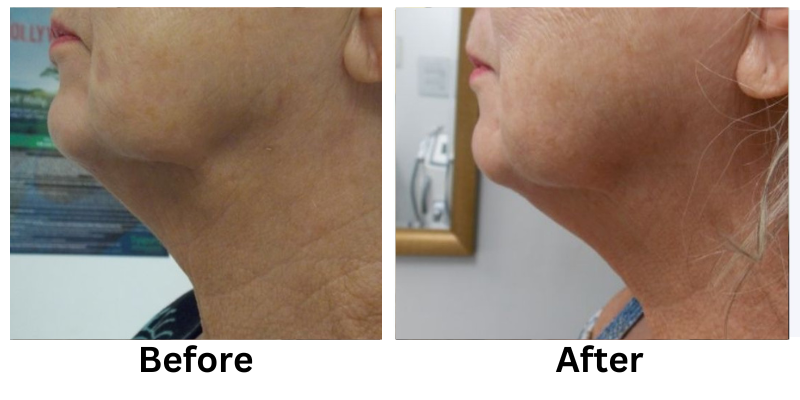
What Does 20 Units of Botox Look Like Before and After?
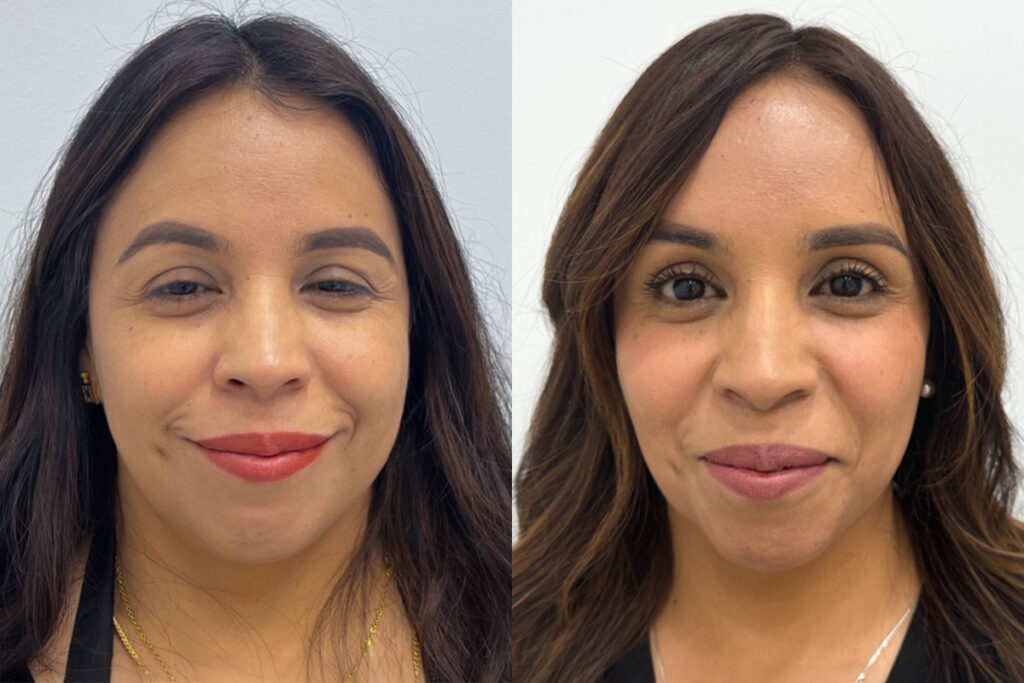
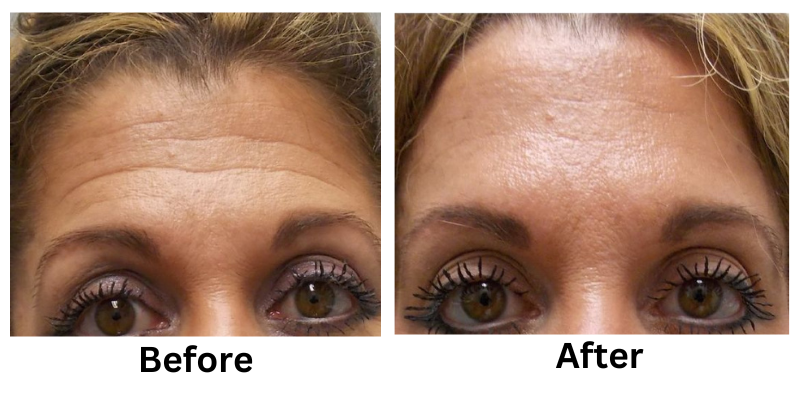
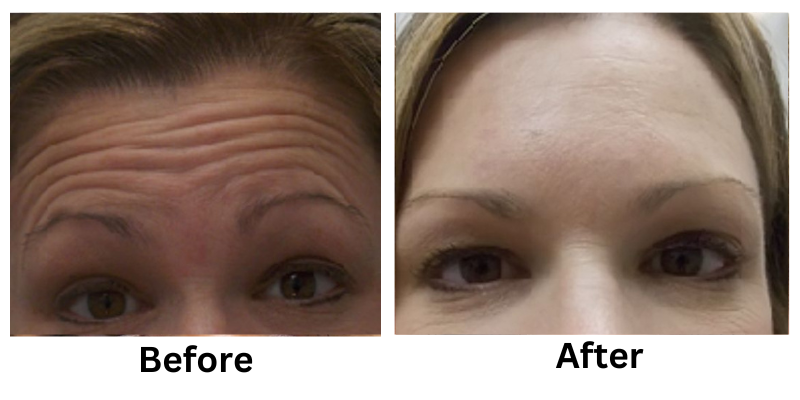
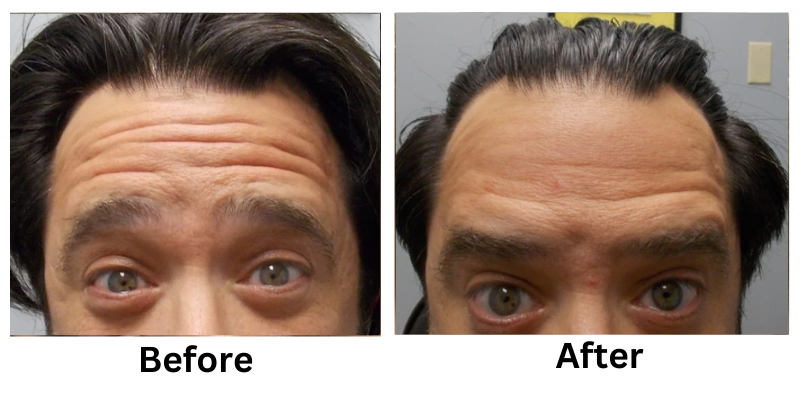
20 units of Botox before and after results show smoother skin, softer expression lines, and a more relaxed facial appearance. The change is subtle but clear. People often say they look more rested and refreshed rather than “done” or frozen.
Before treatment, dynamic wrinkles are visible when you make facial expressions like frowning, squinting, or raising your eyebrows. Deep creases between the brows can make you look tired or angry even when you feel fine. After 20 units of Botox, those muscles relax, and the skin above them smooths out.
Results from clinical trials conducted by Allergan show that 88% of patients treated across three upper face areas reported being “Very Satisfied” or “Mostly Satisfied” with their Botox results. The key differences you will see include a smoother forehead, reduced frown lines, softer crow’s feet, and a more relaxed resting expression.
How Long Do 20 Units of Botox Last on the Forehead?
20 units of Botox last on the forehead for about 3 to 4 months on average. Some patients report results lasting up to 5 months, especially with regular treatments over time. According to the Botox Cosmetic prescribing information published by Allergan, the standard duration of effect for cosmetic Botox is 3 to 4 months.
Several factors affect how long your results last. Metabolism plays a big role; people with faster metabolisms may notice the effects wearing off sooner. A 2023 study published by Medical News Today found that high levels of physical activity may shorten the duration of Botox’s effects compared to low or moderate activity levels.
Regular Botox treatments can actually help your results last longer over time. When muscles are consistently relaxed, they can become trained to contract less forcefully. A 2006 twin study found that the twin who received regular Botox for 12 years had less noticeable crow’s feet than the sibling who only had two treatments, even seven months after their last injection. Consistent treatments at an experienced injectable provider can help maintain smooth, lasting results.
What Is the 4-Hour Rule for Botox?
The 4-hour rule for Botox means you should stay upright and avoid lying down for at least 4 hours after your injection. This guideline helps prevent the Botox from migrating away from the targeted muscles and into surrounding areas where it was not intended to go.
According to Cleveland Clinic, Botox is a liquid that can spread about half an inch from the injection site. Lying down or bending over too soon creates pressure that could push the product into nearby muscles. This could lead to temporary side effects like uneven results or eyelid drooping.
During these 4 hours, you should also avoid rubbing or massaging the treated area, skip strenuous exercise, stay away from saunas or hot environments, and hold off on facials or aggressive skincare treatments. Light activities like walking, reading, or sitting at your desk are perfectly fine. Following these simple aftercare steps helps your Botox settle into the right muscles and gives you the best possible results.
What to Do Immediately After Botox?
Immediately after Botox, you should stay upright, avoid touching the treated area, and skip any strenuous physical activity for at least 24 hours. Most patients return to normal daily activities right away since there is no downtime required after Botox injections.
Some practitioners recommend gently exercising your facial muscles (smiling, frowning, raising your eyebrows) in the first hour after treatment. This can help the Botox settle into the targeted muscles more quickly. A small 2019 study suggested that facial exercises after Botox may increase the rate at which results become visible.
Avoid alcohol and blood-thinning medications like aspirin or ibuprofen for 24 hours after treatment, as these can increase the chance of bruising. You can wash your face gently, but do not rub or apply heavy pressure near the injection sites. Mild redness or small bumps at the injection points are normal and usually disappear within a few hours. Botox works by blocking nerve signals to the muscles, and this process begins right after injection.
What Not to Do the Night Before Botox?
The night before Botox, you should not drink alcohol, take blood-thinning medications, or use supplements that increase bleeding risk. These substances thin the blood and make bruising at the injection site more likely.
Avoid aspirin, ibuprofen, fish oil, vitamin E, and herbal supplements like ginkgo biloba for at least 24 to 48 hours before your appointment. According to the American Society of Plastic Surgeons, these are the most common contributors to post-injection bruising. You should also skip retinol or harsh exfoliating products the night before, as these can make the skin more sensitive.
Get a good night of sleep and stay hydrated. Well-hydrated skin tends to respond better to injections, and being rested helps you relax during the procedure. If you take any prescription blood thinners, talk to your doctor before stopping them. Never adjust prescription medications without medical advice.
What Is the Rule of 3 in Botox?
The rule of 3 in Botox refers to three key principles: 3 to 5 days for initial results to appear, 3 areas of the upper face that are FDA-approved for treatment (forehead lines, frown lines, and crow’s feet), and 3 to 4 months of expected duration for the results.
This rule gives patients a simple framework for setting realistic expectations. According to Allergan’s clinical data, patients who received treatment in all three upper face areas with 64 units reported higher satisfaction rates than those treated in fewer areas. The three-area approach creates a balanced, harmonious result across the entire upper face.
Some providers also use “the rule of 3” to describe the recommended frequency: getting Botox approximately 3 times per year (every 3 to 4 months) for consistent results. Over time, regular treatments at this interval can train the muscles to contract less, which may reduce the number of units needed at future appointments.
How Much Do 20 Units of Botox Cost?
20 units of Botox cost between $200 and $400 on average, depending on the provider, their experience level, and the geographic area. The American Society of Plastic Surgeons reports that the average cost of botulinum toxin injections in the United States is approximately $528 per session, though this varies widely based on the number of units used.
Botox is typically priced per unit, with rates ranging from $10 to $20 per unit at most practices. At that rate, 20 units would fall between $200 and $400. Some med spas offer loyalty programs, membership discounts, or manufacturer reward programs like Alle (Allergan’s rewards platform) that can reduce the per-unit cost over time.
The most important factor is the skill of your injector, not the lowest price. According to the American Board of Cosmetic Surgery, choosing a qualified, experienced provider significantly reduces the risk of complications and improves satisfaction with results. It is worth investing in expertise to get a natural, balanced outcome from your Botox treatment.
How Many Syringes Is 20 Units of Botox?
20 units of Botox is less than one syringe. A standard vial of Botox contains either 50 or 100 units, so 20 units is a fraction of a single vial. In terms of liquid volume, 20 units equals approximately 0.5 milliliters (or 0.5 cc), which is a very small amount.
Botox is highly concentrated, which means even a tiny volume can have a significant effect on the targeted muscles. This is why injections are quick and relatively painless. Most treatments take only 10 to 20 minutes, making Botox a popular lunchtime procedure for busy people who want fast results with no downtime.
What’s the Best Age to Start Botox?
The best age to start Botox depends on your skin, your goals, and when you first notice dynamic wrinkles forming. Most dermatologists recommend considering Botox in your late 20s to early 30s for preventative purposes, or whenever expression lines start becoming visible at rest.
Data from a report by Filler Supplies shows that 24% of all Botox treatments are performed on patients aged 19 to 34, reflecting a growing trend toward “preventative Botox.” The idea behind starting early is to stop repetitive muscle movements before they create permanent creases in the skin.
However, the largest group of Botox patients is still those aged 40 to 54, making up about 57% of all treatments according to Doctor Medica. At any age, the right time to start is when you see lines forming that bother you. A consultation with a qualified provider can help you decide whether Botox is right for you and how many units to begin with.
Is 46 Too Old for Botox?
No, 46 is not too old for Botox. Botox is effective for adults of all ages who have dynamic wrinkles caused by facial muscle movement. In fact, the average age of a Botox patient in the United States is 43 years old, according to industry data from multiple aesthetic organizations.
At 46, Botox can smooth forehead lines, soften frown lines, and reduce crow’s feet. If wrinkles have become deeper or are visible even when your face is at rest, your provider may recommend combining Botox with dermal fillers like Juvederm for a more complete result. Botox addresses the muscle movement that causes wrinkles, while fillers add volume to fill in deeper lines.
Cleveland Clinic notes that Botox tends to be most effective when expression lines are present only during movement. For patients over 60, deeper static lines may need additional treatments alongside Botox for the best outcome.
Can Botox Fix Deep Wrinkles?
Botox can soften deep wrinkles but may not completely fix them on its own. Botox works by relaxing the muscles that create wrinkles during facial movement, so it is most effective on dynamic wrinkles like forehead lines, frown lines, and crow’s feet.
For deep, static wrinkles that are visible even when your face is completely at rest, Botox alone may not be enough. The American Academy of Dermatology recommends combining Botox with dermal fillers or skin resurfacing treatments to address deeper lines. Fillers plump up the crease from below the skin, while Botox prevents the muscle from deepening it further.
A study using the FACE-Q patient satisfaction tool found that overall facial appearance satisfaction rose by 28% after Botox treatment for glabellar lines. While Botox can dramatically improve even deep wrinkles, the best approach for severe lines is often a combination treatment plan created by an experienced provider.
How Many Units of Botox for Sagging Jowls?
The number of units of Botox for sagging jowls typically ranges from 20 to 30 units per side, though the exact amount depends on the severity of the sagging and your facial anatomy. Botox for jowls works by relaxing the platysma muscle that pulls the lower face downward.
Botox alone is often not the complete solution for sagging jowls. Many providers recommend combining Botox with other treatments like thread lifts or skin tightening treatments for more noticeable lifting results. Thread lifts physically lift the tissue, while Botox relaxes the muscles that contribute to the downward pull.
Is Every 3 Months Too Much for Botox?
No, every 3 months is not too much for Botox. Getting Botox every 3 to 4 months is the standard recommended frequency according to the American Academy of Dermatology. This schedule aligns with the natural duration of Botox’s effects, which typically last 3 to 4 months before gradually wearing off.
A 2020 review of long-term Botox use found no life-threatening or long-term adverse effects related to cosmetic use of botulinum toxin when administered appropriately by experienced providers. In fact, patients who maintain a regular treatment schedule often report better results over time as the muscles become trained to contract less forcefully.
Some patients may be able to stretch their appointments to every 4 or 5 months as their muscles adapt to treatment. Your injector will help you find the right interval based on how your body metabolizes Botox and how your muscles respond. Regular follow-ups at a trusted provider help maintain smooth, consistent results.
Do You Age Faster After Stopping Botox?
No, you do not age faster after stopping Botox. When you stop getting Botox, your muscles gradually regain their full movement, and wrinkles will slowly return to where they were before treatment. But your skin does not suddenly look older or worse than it would have without Botox.
A well-known 2006 twin study published in a dermatology journal found that the twin who received regular Botox for over a decade had fewer and less severe wrinkles even after stopping treatment. Cleveland Clinic confirms that stopping Botox does not cause a “rebound” effect or accelerate the formation of new wrinkles.
Because Botox prevents repetitive muscle movements that cause wrinkles, long-term users may actually look younger than they would have if they had never used Botox at all. The muscles may have partially “forgotten” certain expressions like deep frowning, which means the wrinkles return more slowly or in a softer form. Botox is fully reversible, and there is no harm in pausing or discontinuing treatment at any time.
Why No Botox After 65?
The idea that there should be no Botox after 65 is a myth. There is no age limit for Botox, and it can be safely used in patients well beyond 65 when administered by a qualified provider. The misconception likely comes from the fact that Botox becomes less effective on deep, static wrinkles that are more common in older patients.
After age 60, wrinkles tend to be present even when the face is at rest due to natural collagen loss and skin thinning. According to Cleveland Clinic, Botox works best on dynamic wrinkles (lines caused by muscle movement), so older patients may not see the same dramatic results as younger ones. However, Botox can still soften expression lines and provide a more relaxed, refreshed look.
Older patients often benefit from combining Botox with volume-restoring treatments like Sculptra or Radiesse to address both wrinkles and facial volume loss at the same time.
What Is the Riskiest Place for Botox?
The riskiest place for Botox is the area around the eyes and the lower face, where incorrect placement can lead to temporary complications like eyelid drooping (ptosis) or an uneven smile. These risks are rare when treatment is performed by an experienced, trained injector.
The muscles around the eyes are delicate and sit close to other critical muscles that control eyelid movement. If Botox migrates from the injection site, it can temporarily weaken these muscles. According to FDA prescribing information, eyelid ptosis occurs in a small percentage of patients and resolves on its own as the Botox wears off, typically within a few weeks.
The lower face is another area that requires extra caution. Injecting near the mouth can affect your smile or the ability to control your lips if not done precisely. This is why choosing a provider with advanced injection training is so important. At a reputable med spa, injectors like those at Slimming Solutions Med Spa have specialized certification and years of experience with facial anatomy to minimize risks.
| Treatment Area | Typical Units Needed | Results Timeline | Duration of Results |
|---|---|---|---|
| Frown Lines (Glabella) | 15 to 25 units | 3 to 7 days | 3 to 4 months |
| Forehead Lines | 10 to 30 units | 3 to 7 days | 3 to 4 months |
| Crow’s Feet (per side) | 5 to 15 units | 3 to 7 days | 3 to 4 months |
| Lip Flip | 4 to 6 units | 3 to 5 days | 2 to 3 months |
| Bunny Lines | 5 to 10 units | 3 to 7 days | 3 to 4 months |
| Masseter (per side) | 15 to 30 units | 2 to 4 weeks | 4 to 6 months |
Sources: Allergan Prescribing Information; Colorado Plastic Surgery Center; Carolina Facial Plastics; Dilworth Facial Plastic Surgery; American Academy of Dermatology
Frequently Asked Questions
Is It Rude Not to Tip for Botox?
It is not considered rude not to tip for Botox at a medical practice or doctor’s office, as these are medical procedures. Tipping norms vary by setting. At a med spa, some patients choose to tip their injector as a gesture of appreciation, but it is never required or expected. The most important thing is to follow your aftercare instructions and attend follow-up appointments.
How Much Is a Full Face of Botox?
A full face of Botox typically requires 40 to 64 units and can cover the forehead, frown lines, and crow’s feet. According to the American Society of Plastic Surgeons, the average session cost for botulinum toxin injections is about $528. The total depends on how many areas are treated and the number of units your provider recommends based on your facial muscles and goals.
Why Is Botox So Expensive?
Botox is expensive because it is a prescription-grade, FDA-approved medication that requires administration by a trained medical professional. The cost covers the product itself, the provider’s expertise and training, clinical overhead, and follow-up care. Data from Fortune Business Insights shows the U.S. Botox market was valued at $4.58 billion in 2022, reflecting the high demand and regulated nature of the product.
What Is the Best Time of Day to Get Botox?
The best time of day to get Botox is in the morning or early afternoon. Getting your treatment earlier in the day makes it easier to stay upright for the recommended 4 hours afterward without interfering with your sleep. It also gives you the rest of the day to monitor for any mild side effects like redness or swelling, which typically resolve within a few hours.
Is Every 3 Months Too Soon for Botox?
Every 3 months is not too soon for Botox. This is the standard treatment interval recommended by the American Academy of Dermatology and aligns with the typical 3-to-4-month duration of Botox results. Returning for treatment as the effects begin to wear off helps maintain smooth, consistent results and may even reduce the units needed over time.
Can Botox and Fillers Be Used Together?
Yes, Botox and fillers can be used together and often produce better results than either treatment alone. Botox relaxes the muscles that cause dynamic wrinkles, while fillers add volume to fill in deeper lines and restore facial fullness. Many providers recommend this combination approach for a more complete facial rejuvenation.
How Often Should You Get Botox Injections?
You should get Botox injections every 3 to 4 months to maintain results, according to the American Academy of Dermatology. Over time, some patients find they can extend the interval between treatments as their muscles adapt. Your provider will recommend the best schedule based on how your body responds and your personal aesthetic goals.
Final Thoughts
20 units of Botox is a safe, effective starting point for anyone looking to smooth fine lines, soften expression wrinkles, and achieve a more refreshed appearance. Whether you are treating frown lines, crow’s feet, or forehead creases, this moderate dose delivers subtle, natural results that most patients love. The treatment takes only 10 to 20 minutes, requires no downtime, and produces visible improvements within days.
If you are ready to see what 20 units of Botox can do for you, schedule a consultation with the experienced team at Slimming Solutions Med Spa. Their expert injector provides personalized treatment plans that help you look and feel your best. Call today or request a consultation to get started on your journey to smoother, more youthful skin.
![[thumb]](https://slimmingsolutionsspa.com/wp-content/uploads/2023/12/botox1-150x150.png)
![[thumb]](https://slimmingsolutionsspa.com/wp-content/uploads/2023/12/Before2-150x150.png)
![[thumb]](https://slimmingsolutionsspa.com/wp-content/uploads/2023/12/Before3-150x150.png)


![[thumb]](https://slimmingsolutionsspa.com/wp-content/uploads/2023/12/revanesse-versa-1-150x150.png)
![[thumb]](https://slimmingsolutionsspa.com/wp-content/uploads/2023/12/revanesse-versa-2-150x150.png)
![[thumb]](https://slimmingsolutionsspa.com/wp-content/uploads/2023/12/revanesse-versa-3-150x150.png)
![[thumb]](https://slimmingsolutionsspa.com/wp-content/uploads/2023/12/revanesse-versa-4-150x150.png)
![[thumb]](https://slimmingsolutionsspa.com/wp-content/uploads/2023/12/revanesse-versa-5-150x150.png)
![[thumb]](https://slimmingsolutionsspa.com/wp-content/uploads/2024/01/Eyebrow-treatment-1-1-150x150.png)
![[thumb]](https://slimmingsolutionsspa.com/wp-content/uploads/2023/12/Skin-Rejuvenation-1-150x150.png)
![[thumb]](https://slimmingsolutionsspa.com/wp-content/uploads/2023/12/Skin-Rejuvenation-2-150x150.png)


![[thumb]](https://slimmingsolutionsspa.com/wp-content/uploads/2024/01/Lip-Filler-1-150x150.png)
![[thumb]](https://slimmingsolutionsspa.com/wp-content/uploads/2024/01/Lip-Filler-2-150x150.png)
![[thumb]](https://slimmingsolutionsspa.com/wp-content/uploads/2025/02/Lip-Filler-1-150x150.png)
![[thumb]](https://slimmingsolutionsspa.com/wp-content/uploads/2024/01/Lip-Filler-150x150.jpg)
![[thumb]](https://slimmingsolutionsspa.com/wp-content/uploads/2024/01/Before-1-150x150.jpg)

![[thumb]](https://slimmingsolutionsspa.com/wp-content/uploads/2024/01/RHA-Treatmetn-3-150x150.png)
![[thumb]](https://slimmingsolutionsspa.com/wp-content/uploads/2024/01/RHA-Treatmetn-2-150x150.png)
![[thumb]](https://slimmingsolutionsspa.com/wp-content/uploads/2024/01/RHA-Treatmetn-1-150x150.png)
![[thumb]](https://slimmingsolutionsspa.com/wp-content/uploads/2024/01/Thread-Lifts-1-150x150.png)
![[thumb]](https://slimmingsolutionsspa.com/wp-content/uploads/2024/01/Thread-Lifts-2-150x150.png)
![[thumb]](https://slimmingsolutionsspa.com/wp-content/uploads/2025/02/Lip-Filler-2-150x150.png)

![[thumb]](https://slimmingsolutionsspa.com/wp-content/uploads/2023/12/skin-reuvulation1-150x150.png)
![[thumb]](https://slimmingsolutionsspa.com/wp-content/uploads/2023/12/skin-rejuvulation-2-150x150.png)
![[thumb]](https://slimmingsolutionsspa.com/wp-content/uploads/2023/12/Skin-Tighting-150x150.png)
![[thumb]](https://slimmingsolutionsspa.com/wp-content/uploads/2023/12/Before-150x150.jpg)
![[thumb]](https://slimmingsolutionsspa.com/wp-content/uploads/2023/12/weightloss-1-150x150.png)
![[thumb]](https://slimmingsolutionsspa.com/wp-content/uploads/2023/12/weightloss-2-150x150.png)
![[thumb]](https://slimmingsolutionsspa.com/wp-content/uploads/2023/12/2Weight-Loss-2-150x150.png)
![[thumb]](https://slimmingsolutionsspa.com/wp-content/uploads/2025/02/Weight-Loss-1-new-150x150.png)
![[thumb]](https://slimmingsolutionsspa.com/wp-content/uploads/2023/12/Weight-Loss-3-150x150.png)
![[thumb]](https://slimmingsolutionsspa.com/wp-content/uploads/2025/03/Slimming-Solutions-BA-Template-150x150.png)


![[thumb]](https://slimmingsolutionsspa.com/wp-content/uploads/2023/12/dat3-150x150.png)
![[thumb]](https://slimmingsolutionsspa.com/wp-content/uploads/2023/12/dat-0-150x150.png)
![[thumb]](https://slimmingsolutionsspa.com/wp-content/uploads/2023/12/dat-1-150x150.png)
![[thumb]](https://slimmingsolutionsspa.com/wp-content/uploads/2023/12/Before-1-150x150.png)

![[thumb]](https://slimmingsolutionsspa.com/wp-content/uploads/2024/01/EMS-Treatment-2-150x150.png)
![[thumb]](https://slimmingsolutionsspa.com/wp-content/uploads/2024/01/EMS-Treatment-1-150x150.png)
![[thumb]](https://slimmingsolutionsspa.com/wp-content/uploads/2025/02/ems-BNA-front-150x150.png)
![[thumb]](https://slimmingsolutionsspa.com/wp-content/uploads/2025/02/EMS-bna-SIDE-150x150.png)
![[thumb]](https://slimmingsolutionsspa.com/wp-content/uploads/2024/01/EMS-Treatment-6-150x150.png)