Volume restoration in Aging Faces

Share This Post
Volume restoration in aging faces

Table of Contents

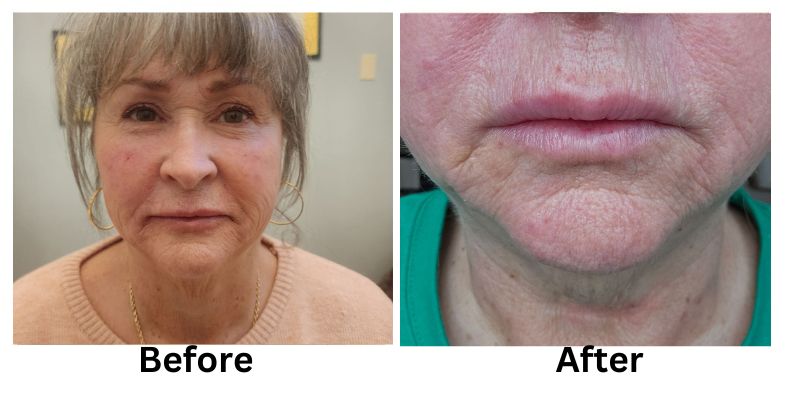
Volume restoration in aging faces means replacing lost structure in the cheeks, temples, under-eyes, and lips using non-surgical treatments that rebuild what age takes away. The face does not just wrinkle as it gets older. It deflates. Bones thin, fat pads shrink and slide downward, and collagen disappears at a measurable rate every year. The result is a face that looks hollowed, tired, and older than the person actually feels. This article explains what causes facial volume loss, which areas are most affected, and what treatments restore a natural, rested appearance without surgery.

Can Facial Volume Be Restored?

Yes, facial volume can be restored. Modern non-surgical treatments including hyaluronic acid dermal fillers, collagen biostimulators, and combination injectable approaches can effectively replace lost structure in the cheeks, temples, lips, and jawline. A systematic review and meta-analysis published in PMC (2025) on hyaluronic acid fillers for mid-face volume enhancement found that the majority of included studies reported significant improvements in volume restoration with increased patient satisfaction. The treatments available today are far more sophisticated than early-generation fillers, and the results when done well look natural rather than overfilled.

Restoring volume is not the same as filling lines. It is a deeper, structural approach. Facial volume loss happens across multiple layers of the face simultaneously, and the best outcomes come from treating those layers thoughtfully rather than just targeting one wrinkle at a time.

Why Does Your Face Lose Volume as You Age?

Your face loses volume as you age because of simultaneous changes happening in four distinct layers: the skin, the fat pads, the muscles, and the bones. All four contribute, and all four need to be considered when planning a restoration approach.

Collagen decline is the most well-known cause. Research published in npj Aging (Nature, 2025) confirmed that collagen production decreases by approximately 1 to 1.5 percent per year in human skin starting in the mid-twenties. Women can lose up to 30 percent of their skin collagen in the first five years after menopause alone, according to dermatology research compiled by nchstats.com. By the time someone reaches their 50s, research from Mindbodygreen and supporting scientific literature shows that the body’s natural supply of hyaluronic acid, the molecule that holds water in the skin and gives it plumpness, has been cut in half.

The fat pads of the face do not just shrink; they also migrate downward. Research published in PMC (Facial Aging Process From the Inside Out) explains that aging weakens the retaining ligaments of the face, allowing fat compartments to shift inferomedially. This creates hollows in the cheeks and temples while causing heaviness to accumulate along the nasolabial folds and jawline.

Bone resorption is the least discussed but equally important factor. A study published in the Journal of Plastic and Reconstructive Surgery found that facial aging involves approximately 1 percent bone loss per year after age 40. Research from Harvard, Stanford, and the University of Rochester confirmed that bone recession around the eye sockets, cheekbones, and jaw directly reduces the structural scaffold that holds soft tissue in place, contributing to a hollow or aged appearance that skin tightening alone cannot fully address.

What Depletes Collagen in Skin?

The things that deplete collagen in skin are UV exposure, smoking, excess sugar consumption (through a process called glycation), chronic stress, poor sleep, and natural aging. UV radiation from the sun is the single largest external accelerator of collagen breakdown, as it activates matrix metalloproteinases (MMPs), enzymes that degrade collagen fibers faster than the skin can replace them. Smoking reduces blood flow to skin cells and introduces toxins that directly suppress collagen synthesis. Glycation, caused by chronically high blood sugar, cross-links collagen fibers and makes them brittle and stiff. Research from nchstats.com found that the oldest age group shows up to a 68 percent reduction in type I procollagen compared to younger adults.

How Can I Get Volume Back in My Face?

You can get volume back in your face through several non-surgical options, the most effective of which are hyaluronic acid dermal fillers, poly-L-lactic acid biostimulators like Sculptra, and collagen-stimulating treatments like radiofrequency microneedling. Each approach works differently and suits different levels of volume loss and treatment goals.

Hyaluronic acid fillers provide immediate volume replacement. They attract and hold water in the treated tissue, restoring the plump, rounded contours that define a youthful face. Research published in Dermatologic Surgery on full-face rejuvenation with hyaluronic acid fillers enrolled 77 participants with a mean age of 54.5 and found significant aesthetic improvement across multiple treatment areas over a 6-month study period. The most commonly treated areas were the cheeks, tear troughs, nasolabial folds, and lips.

For patients wanting longer-lasting structural rebuilding, Sculptra takes a different approach by triggering the body’s own collagen production rather than simply adding a substance. Clinical studies show that Sculptra produces measurable increases in collagen density of approximately 25 to 40 percent within treated areas. The official clinical data from the manufacturer shows that 80 percent of patients rated their results as good to excellent at 25 months after treatment. Results from Sculptra can last up to two years or more with most patients needing two to three sessions spaced several weeks apart.

How to Regain Plumpness in Your Face

You regain plumpness in your face by rebuilding the three components of facial fullness: hydration in the dermal layer, volume in the subcutaneous fat pads, and structural collagen in the deeper tissue. Hyaluronic acid fillers address the first two. Collagen biostimulators like Sculptra address the third. Radiofrequency microneedling supports all three by triggering skin remodeling and collagen production across multiple tissue depths at once.

The most important thing to understand is that facial plumpness is not one-dimensional. A flat cheek, a hollow temple, and a thin lip each represent volume loss in a different structural layer and respond best to treatments tailored to that specific layer. Juvederm fillers are commonly used for immediate cheek and lip restoration due to their smooth consistency and natural feel, while denser fillers like Radiesse work well for deeper structural support in areas like the cheeks and chin.

What Is the Best Non-Surgical Facelift for 70 Year Olds?

The best non-surgical facelift for a 70-year-old is a combination approach that addresses volume loss with fillers, lifts and tightens with collagen-stimulating treatments, and relaxes dynamic lines with a neurotoxin. No single treatment alone produces the most natural result. A review published in PMC on hyaluronic acid fillers for facial volume and contouring confirms that the governing principle of non-surgical facial aesthetics is to treat the face as a global, interconnected unit rather than targeting individual lines in isolation.

For patients in their 60s and 70s, the most impactful combination typically includes deeper volume replacement in the cheeks and temples, support for the mid-face structure using a biostimulator, light rejuvenation of the under-eye area, and a thread lift or radiofrequency treatment for skin tightening. This layered approach produces a refreshed, rested look rather than the stretched or pulled appearance associated with older surgical techniques. A liquid facelift using a combination of dermal fillers and neurotoxins has been cited as having a patient satisfaction rate above 95 percent, according to data referenced in aesthetic medicine literature.

Is 70 Too Old for Botox and Fillers?

No, 70 is not too old for Botox and fillers. There is no upper age limit for these treatments, and they can produce meaningful improvements at any age when properly administered. The approach simply evolves with age. In younger patients, a small amount of filler restores early volume loss. In older patients, a more comprehensive plan may combine multiple products and techniques to address decades of structural change.

What matters is the overall health of the patient, realistic expectations, and working with a provider experienced in treating mature faces. Older skin is thinner and has less elasticity, so a skilled provider adjusts product selection and placement accordingly to achieve natural, balanced results. Many patients in their 60s and 70s report that a thoughtful combination of volume restoration and skin tightening gives them back an appearance that matches how they feel on the inside.

Should a 77-Year-Old Get a Facelift?

Whether a 77-year-old should get a facelift depends entirely on their individual health, goals, and anatomy. For many people at that age, non-surgical alternatives produce excellent results without the recovery time, surgical risk, or downtime of an invasive procedure. Volume restoration with fillers, a thread lift, and skin tightening can address the most visible signs of aging safely and effectively. For patients with significant skin laxity, a surgical consultation may be appropriate to assess whether non-surgical options will produce the results they are looking for.

What Is a Liquid Facelift?

A liquid facelift is a non-surgical treatment that uses a combination of dermal fillers and neurotoxins to restore facial volume, lift sagging areas, smooth lines, and redefine facial contours without surgery. It gets its name because the entire procedure is done with injectable products rather than a scalpel. A typical liquid facelift addresses volume loss in the cheeks and temples, supports the mid-face structure, softens nasolabial folds, refreshes the under-eye area, and uses a neurotoxin to relax dynamic wrinkles in the upper face.

The liquid facelift concept is built on the understanding that facial aging is primarily a loss of volume and structure, not just a loosening of skin. As research from Harvard, Stanford, and the University of Rochester showed, skin tightening alone often cannot restore the youthful look because the underlying bone and fat pad structure has changed. Restoring that structure first, then treating the skin, produces results that skin tightening alone simply cannot achieve.

What Is a Cinderella Facelift?

A Cinderella facelift is an informal term for a quick combination injectable treatment, typically fillers and Botox, that produces an immediate, noticeable refreshing effect within a short time frame. The name reflects the idea of a rapid transformation, much like the fairy tale. It generally involves strategic placement of fillers in the cheeks, temples, and under-eye area combined with a neurotoxin for the upper face. While the results are real and often striking, they are not permanent and need maintenance over time, which is where the comparison to a temporary transformation originates.

How to Look 10 Years Younger Than Your Age

Looking 10 years younger than your age comes down to restoring the structural foundation of the face rather than just chasing lines. The face ages from the inside out, from bone to fat pad to skin. Addressing volume loss first creates a natural lifting and smoothing effect that no topical product can replicate. Research in PMC confirms that the key features of a youthful face are cheek fullness, smooth contours, and proper proportions in three dimensions, not simply the absence of wrinkles.

Practically, a combination of volume restoration with dermal fillers, collagen biostimulation with Sculptra, and skin quality improvement with treatments like RF microneedling addresses all three layers simultaneously. Research published in Dermatologic Surgery found that 95 percent of subjects showed full-face improvement at 18 months following hyaluronic acid filler treatment that supported collagen remodeling. Good skincare, sun protection, and staying well-hydrated support and extend those results between professional treatments.

How Can I Rebuild Collagen in My Face?

You can rebuild collagen in your face through professional treatments that stimulate fibroblast activity, the skin cells responsible for producing new collagen. The most clinically proven methods are radiofrequency microneedling, which creates controlled micro-injuries that trigger a collagen repair response, and poly-L-lactic acid injectables like Sculptra, which stimulate fibroblasts directly when injected into treated areas. Sculptra’s official clinical data shows results appearing as early as one month after treatment and lasting up to two years, with 95 percent of patients showing improved skin quality on the Global Aesthetic Improvement Scale at that point.

At home, consistent use of a broad-spectrum SPF prevents collagen breakdown from UV exposure. Retinoids are the most evidence-backed topical option for stimulating collagen synthesis. Vitamin C supports collagen production by acting as a cofactor for the enzymes that synthesize it. These topical habits do not replace professional treatments but they do protect and extend the results from in-office procedures. A good understanding of collagen decline helps set realistic expectations for how quickly rebuilding happens and what combination of approaches works best for different skin types and ages.

How Can I Plump Up My Face Without Fillers?

You can plump up your face without fillers using collagen biostimulators, radiofrequency microneedling, and consistent skincare that supports hydration and collagen production. Sculptra, while technically injectable, is classified as a biostimulator rather than a filler because it does not add volume directly. Instead, it triggers the body’s own collagen response over time, producing gradual, natural-looking fullness that builds over several months.

RF microneedling improves dermal thickness by stimulating collagen and elastin remodeling in the deeper layers of the skin. Research has shown that a series of microneedling treatments can produce up to a 400 percent increase in collagen and elastin deposition at six months, with continued collagen formation for three to six months after the final session. Hyaluronic acid in skincare products draws water into the skin and provides a temporary plumping effect, though this is a surface-level result compared to what professional treatments achieve at the structural level.

Does Vol U Lift Really Work?

Yes, vol u lift and similar liquid facelift approaches do work when performed by an experienced injector using appropriate products and placement techniques. The term refers to volumetric lifting, the strategic restoration of facial volume in areas like the cheeks and temples that physically lift and support the mid-face, which in turn reduces the appearance of nasolabial folds and jowls. The lift effect comes from restoring structural support, not from mechanically pulling skin upward. Research published in PMC on the evolving role of hyaluronic acid fillers confirms that addressing deep structural support first, then refining individual lines, produces the most natural and comprehensive facial rejuvenation outcome.

Volume Restoration Options Compared

Treatment How It Works Results Timeline Duration Best For
Hyaluronic Acid Fillers (Juvederm, Restylane, Versa) Adds immediate volume by attracting and holding water in tissue Immediate 6 to 18 months depending on product and area Cheeks, lips, tear troughs, nasolabial folds
Sculptra (PLLA Biostimulator) Triggers body’s own collagen production over time 1 to 6 months (gradual) Up to 25 months; 80% patient satisfaction at 25 months Diffuse volume loss, cheek hollowing, overall facial thinning
Radiesse Calcium hydroxylapatite filler; immediate volume plus collagen stimulation Immediate; collagen builds over months 12 to 18 months or longer Cheeks, jawline, chin, nasolabial folds
RF Microneedling Radiofrequency energy delivered via microneedles stimulates collagen and elastin remodeling 4 to 12 weeks per session; builds over series Results continue 3 to 6 months post-treatment; maintained with touch-ups Skin texture, tightening, early to moderate laxity
Thread Lift Absorbable sutures lift tissue while stimulating collagen along the thread Immediate lift; collagen builds over months 1 to 3 years Jowls, mid-face laxity, eyebrow lift, jawline definition
Belotero Balance Fine-particle HA filler integrates smoothly into tissue Immediate 6 to 12 months Fine lines, under-eye hollows, delicate areas

Sources: PMC Systematic Review on Hyaluronic Acid Fillers (2025), Sculptra USA Clinical Data / Galderma (2023), Journal of Plastic and Reconstructive Surgery, Dermatologic Surgery (Full-Face Rejuvenation Study), nchstats.com Collagen Loss Research, PMC Evolving Role of Hyaluronic Acid Fillers (Canadian Review).

What Plumps Aging Skin?

The things that plump aging skin most effectively are hyaluronic acid (both in injectable form and topically), restored collagen density through professional treatments, and well-hydrated skin supported by a consistent skincare routine. Hyaluronic acid is the body’s primary skin-hydrating molecule. It can hold up to 1,000 times its own weight in water, which is why its loss over time is directly linked to drier, thinner, and less plump-looking skin.

Professional treatments work far more deeply than topical products. Injected hyaluronic acid restores volume at a structural level that serums cannot reach. Biostimulators trigger actual new tissue growth. RF microneedling remodels the dermal matrix. Topical retinoids and vitamin C help maintain what professional treatments build, but they do not replace those treatments. The most dramatic improvements in aging skin come from combining both approaches consistently over time.

What Should a 70-Year-Old Woman Use on Her Face?

A 70-year-old woman should use a daily broad-spectrum SPF (the single most important anti-aging step), a gentle retinoid to support collagen production and cell turnover, a hydrating serum with hyaluronic acid, a rich moisturizer to restore barrier function, and vitamin C in the morning for antioxidant protection. At this age, skin is thinner and more sensitive, so gentler formulations work better than aggressive actives. In terms of professional treatments, a combination of volume restoration with fillers and a biostimulator like Sculptra, supported by periodic skin tightening treatments, addresses the structural changes that skincare alone cannot reach.

How to Take 10 Years Off Your Face

Taking 10 years off your face requires restoring volume in the mid-face, addressing under-eye hollowing, smoothing the skin’s surface, and lifting areas where tissue has migrated downward. These are the visible signs people associate with aging, and they all have non-surgical solutions. The key is understanding that they share the same root cause: the progressive loss of structural support from inside the face outward.

The most effective starting point for most patients is mid-face volume restoration. The cheeks are the anchor of facial youth. When cheek volume is restored with a product like Restylane, it lifts the surrounding tissue, softens nasolabial folds, and brightens the appearance of the under-eye area simultaneously, all without touching those areas directly. This is the principle of volumetric lifting, and it is why addressing volume before chasing individual lines consistently produces more natural results.

For patients in Lee’s Summit and the Kansas City area, we approach every volume restoration consultation by evaluating all four layers of the face before recommending a treatment plan. The right combination of products and techniques depends on where you are in the aging process and what result feels most like you.

Why No Botox After 65?

The idea that there should be no Botox after 65 is not accurate. There is no medical basis for an age cutoff on neurotoxin treatments. The correct answer is that Botox absolutely can be used after 65, but the approach adjusts. In older patients, the emphasis shifts more toward volume restoration with fillers and biostimulators, since dynamic wrinkles in very mature skin may not respond as dramatically to Botox alone. A modest amount of neurotoxin for forehead lines, crow’s feet, and brow positioning is still entirely appropriate and effective in older patients when combined with a broader rejuvenation plan. Botox works best in this age group as one component of a comprehensive approach rather than the entire strategy.

Frequently Asked Questions

What Is the Best Cosmetic Procedure for a 70-Year-Old Woman?

The best cosmetic procedure for a 70-year-old woman is a combination approach that starts with structural volume restoration using dermal fillers or Sculptra, then adds a neurotoxin for dynamic lines, and supports the skin with either radiofrequency microneedling or a thread lift for tightening. Starting with volume is critical because at 70, the face has experienced decades of bone loss, fat pad deflation, and collagen decline. Research confirms that facial aging involves approximately 1 percent bone loss per year after 40, meaning the structural scaffold has changed significantly. Volume replacement first, then skin treatment, produces the most natural and age-appropriate results.

What Is the Best Filler for Cheeks?

The best filler for cheeks is a higher-viscosity hyaluronic acid product that provides lift and projection, or a calcium-based filler like Radiesse that offers both immediate volume and collagen stimulation. The right choice depends on the degree of volume loss, the patient’s skin thickness, and whether the goal is immediate fullness or gradual structural rebuilding. A systematic review published in PMC (2025) on mid-face volume enhancement confirmed that multiple hyaluronic acid formulations achieve significant volume restoration and high patient satisfaction, with longevity varying by product. Sculptra is also frequently used in the cheek region for patients who want gradual, long-lasting rebuilding rather than immediate volume.

Can Dermal Fillers Make You Look Younger?

Yes, dermal fillers can make you look younger by restoring the structural volume and facial contours associated with a youthful appearance. Research published in Dermatologic Surgery found that 95 percent of subjects showed full-face improvement at 18 months following hyaluronic acid filler treatment. The key to looking naturally younger rather than obviously treated is strategic placement that respects the face’s natural proportions and focuses on structural support rather than overfilling individual lines. A skilled provider restores volume to the areas where it has actually been lost rather than simply adding bulk in visible creases.

How Long Do Dermal Fillers Last?

Dermal fillers last anywhere from 6 months to more than 2 years depending on the product used, the area treated, and the individual’s metabolism. Softer hyaluronic acid fillers used in areas of high movement like the lips tend to break down faster, lasting 6 to 12 months. Denser products used in the cheeks or temples often last 12 to 18 months. Sculptra, which works by stimulating collagen rather than adding volume directly, produces results that last up to 25 months with 80 percent of patients rating their results as good to excellent at that time point, according to clinical studies. You can read more about how long dermal fillers last across different treatment areas.

What Is Sculptra and How Is It Different From Filler?

Sculptra is a poly-L-lactic acid (PLLA) biostimulatory injectable that is different from traditional filler because it does not add volume directly. Instead, it stimulates the body’s own fibroblasts to produce new collagen over time. Where a hyaluronic acid filler produces immediate volume that gradually dissolves, Sculptra produces gradual improvement as real collagen builds in the treated area. The results take longer to appear, typically 1 to 6 months, but they are also longer-lasting, up to 2 years or more. Sculptra is FDA-approved and has a 20-plus year safety record. For patients with diffuse facial thinning rather than isolated volume loss in a specific area, Sculptra’s whole-face approach to collagen rebuilding often produces the most natural overall result.

Does Tapping the Face Stimulate Collagen?

Tapping the face does not meaningfully stimulate collagen production in the way professional treatments do. There is no peer-reviewed evidence that facial tapping or massage creates the level of controlled tissue stimulation needed to trigger fibroblast activity and new collagen synthesis. Professional treatments like radiofrequency microneedling create precise, controlled micro-injuries or thermal stimulation that reliably activates the skin’s repair response. Facial massage can improve circulation and temporarily reduce puffiness, which can make the skin look briefly more radiant, but it does not address the structural collagen loss that drives visible aging.

What Are the 5 Super Collagens?

The five types of collagen most relevant to facial aging and skin quality are Type I, Type II, Type III, Type IV, and Type V. Type I is the most abundant in skin, making up approximately 80 percent of the collagen in young skin and forming the primary structural network that gives skin firmness and tensile strength. Type III forms alongside Type I and is associated with skin elasticity. Type IV is found in the basement membrane and supports the deeper skin structure. Type V influences collagen fiber thickness and organization. Type II is primarily found in cartilage rather than skin. For skin restoration purposes, treatments that stimulate Type I and Type III collagen production, including Sculptra, RF microneedling, and retinoid-based skincare, produce the most visible improvements in facial firmness and volume.

Putting It All Together

Facial volume loss is not one problem with one solution. It is the cumulative result of collagen declining at roughly 1 percent per year, fat pads deflating and shifting downward, hyaluronic acid dropping by half by the 50s, and bone losing approximately 1 percent of its facial structure per year after 40. Each of these changes is measurable, well-documented, and, most importantly, addressable. Non-surgical volume restoration treatments today are precise enough to replace structure where it has actually been lost, producing outcomes that look natural because they follow the biology of how the face ages.

Whether the goal is restoring cheek fullness, softening hollow temples, refreshing under-eye hollows, or achieving a broader liquid facelift effect, the right plan depends on evaluating the whole face, not just a single concern. At Slimming Solutions Med Spa, we take the time to build that plan with you so the results feel like the best version of yourself, not a different person entirely. Reach out to us at (816) 524-3438 or through our consultation request page to get started.

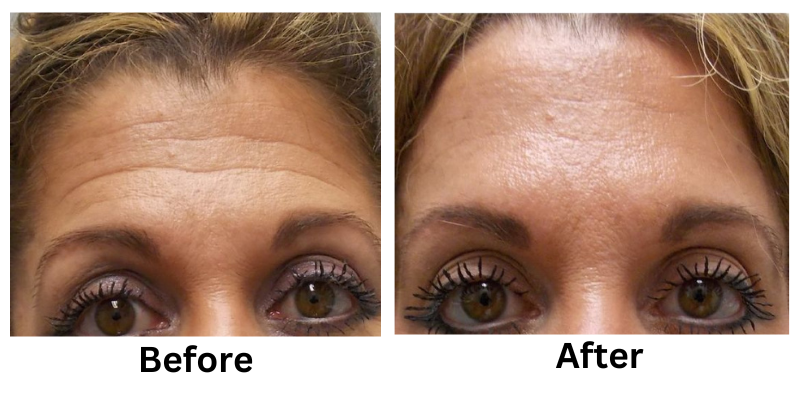
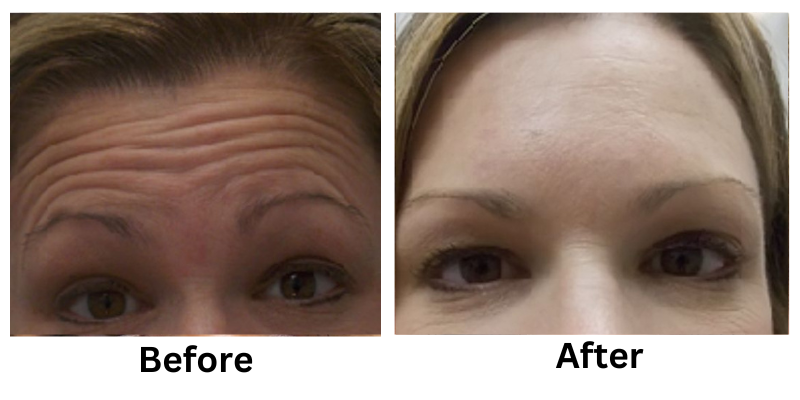
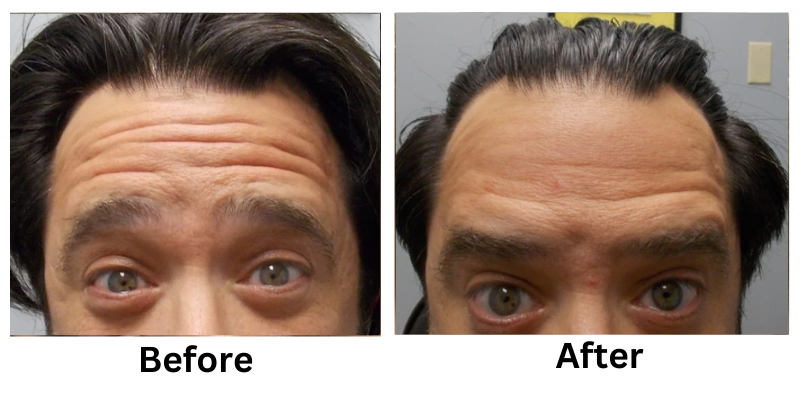
SEE OUR RESULTS

*Individual Results May Vary

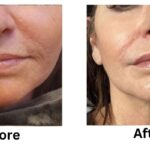
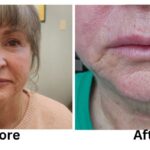
Our staff is made up of a team of motivated, well-trained individuals who are only happy with our work when you are 100% happy with your results… and we love our work! See some amazing results from our patients in our before & after gallery.

Botox Before and After
[thumb][thumb][thumb]
consultations available now
The first step is to schedule an in-person consultation with one of our highly trained providers at Slimming Solutions Spa located in Lee Summit, MO, serving the surrounding Kansas City areas. Simply fill out the form on this page and we will reach out to you promptly to schedule your appointment. Your journey to a healthier, happier you can start today.
Our Reviews

[trustindex no-registration=google]

More To Explore