Hormonal shifts change where and how your body stores fat. When key hormones like estrogen, cortisol, insulin, and testosterone shift up or down, your body responds by moving fat into different areas, often the belly, hips, or midsection, in ways that have nothing to do with what you eat or how much you exercise. This article breaks down which hormones control fat storage, why imbalances change your body shape, and what you can do about it.
How Hormonal Shifts Drive Fat Storage Patterns
Hormones are chemical messengers that tell your fat cells where to store energy, when to release it, and when to hold on tight. Research published in Human Reproduction found that hormones including cortisol, insulin, estrogen, and testosterone directly regulate lipoprotein lipase (LPL), the enzyme that controls how much fat enters a fat cell. When LPL activity is high in a certain region of the body, fat piles up there. When it is low, fat flows out.
This is why two people can eat the same diet and end up with completely different body shapes. One person stores fat in the lower body, another in the belly. The difference often comes down to their hormone levels. Hormone replacement therapy works precisely because it targets this root cause, giving the body back the hormonal signals it needs to manage fat properly.
There are six main hormones that influence fat storage patterns: estrogen, testosterone, cortisol, insulin, leptin, and ghrelin. Each one plays a distinct role, and each one can shift dramatically during different life stages.
Does Hormone Fluctuation Cause Fat Storage?
Yes, hormone fluctuation directly causes fat storage. When hormone levels change, the body shifts where and how it deposits fat as a direct response. This is not a side effect or a coincidence; it is a biological design. Fat cells have hormone receptors, and when those receptors receive different signals, they behave differently. Studies reviewed in Biology Insights confirm that estrogen, androgens, insulin, and cortisol all alter adipocyte function, lipid metabolism, and fat mobilization in specific body regions.
The most common hormonal fat-storage shifts happen during puberty, pregnancy, perimenopause, and menopause in women, and during andropause (the gradual testosterone decline) in men. Chronic stress and insulin resistance also trigger significant fat-storage changes at any age.
What Hormone Promotes Fat Storage?
The hormones that most strongly promote fat storage are insulin and cortisol. Insulin is the body’s primary fat-storage hormone. When you eat carbohydrates, your blood sugar rises and your pancreas releases insulin to push that glucose into cells. Any excess glucose that cannot be used for energy right away gets converted into triglycerides and stored as fat, primarily visceral fat when insulin resistance is present.
Cortisol, the stress hormone, promotes fat storage through a separate but equally powerful pathway. Research published in Human Reproduction showed that both cortisol and insulin facilitate fat accumulation by activating LPL in fat cells. Cortisol is particularly dangerous because it tends to push fat directly into the visceral depot, the deep belly fat that wraps around your organs.
A landmark study published in Nature (Spalding et al., 2008) revealed that cortisol is one of the few signals that can trigger the creation of entirely new fat cells in adults, not just the expansion of existing ones, by activating dormant pre-adipocytes in fat tissue.
How Estrogen Controls Where Women Store Fat
Estrogen directs fat toward the hips, thighs, and lower body in women of reproductive age. Research published in The Journal of Clinical Endocrinology and Metabolism found that estrogen enhances fat cell proliferation in subcutaneous tissue while actually inhibiting fat buildup in the visceral depot. This explains why premenopausal women naturally carry more fat in the lower body and less in the belly compared to men of the same age.
Before menopause, estrogen levels of the primary estrogen form (estradiol) can reach up to 300 picograms per milliliter. After menopause, those levels drop to below 10 pg/mL, according to research published by WeightWatchers Health. That steep drop completely reverses where fat accumulates. The body stops putting fat in the hips and thighs and starts putting it in the belly instead.
What Happens to Testosterone and Fat Storage in Men
Testosterone acts as a natural fat burner in men. It stimulates lipolysis (the breakdown of stored fat) and suppresses LPL activity in fat cells, both of which reduce fat accumulation. Research published in PLOS One analyzed data from 5,959 participants in the National Health and Nutrition Examination Survey (NHANES 2011 to 2016) and found that lower testosterone levels were consistently associated with higher body fat percentage, particularly android fat, which is the fat stored around the belly and trunk.
Studies from the National Institutes of Health confirm that testosterone deprivation treatment in men leads to measurable increases in visceral, abdominal, and total body fat. Conversely, testosterone supplementation in men with low levels and high waist circumference has been shown to reduce abdominal and thigh subcutaneous fat. Research in men also shows that for each 3.9 inch increase in waist circumference, the risk of dying from related metabolic diseases increases by 16%, according to data cited by medical weight management researchers.
How Long Does It Take for HRT to Redistribute Fat?
HRT takes about 3 to 6 months to begin redistributing fat in most people. A study published in Maturitas found that women on HRT not only prevented weight gain during menopause but also lost an average of 2.1 kg of fat over just three months while also improving cholesterol and insulin sensitivity. This is one of the faster body composition responses seen in hormonal studies.
What changes first is not necessarily the number on the scale. The most consistent finding in the research is that HRT slows or stops the accumulation of visceral fat rather than eliminating existing fat overnight. A 12-month prospective study published in the International Journal of Obesity found that visceral abdominal fat increased in postmenopausal women who were not on HRT but did not increase at all in women who were on HRT. That is a significant difference in how the body manages fat over time.
For men dealing with low testosterone and shifting body composition, hormone therapy can produce similar rebalancing effects, particularly in reducing abdominal fat accumulation when testosterone levels are restored to an optimal range.
What Are the First Signs of Estrogen Working?
The first signs of estrogen working after HRT include improved sleep, fewer hot flashes, better mood, more energy, and reduced night sweats, usually within the first 4 to 8 weeks. Changes in fat distribution take longer, typically 3 to 6 months. Most women also notice a reduction in waist size before they see a change on the scale, because what is shifting is body composition rather than total weight.
Other early signs include improved skin hydration and texture, reduced joint discomfort, and a general return of mental clarity. These are all consistent with estrogen’s wide-ranging role in metabolism, mood regulation, and cellular repair throughout the body.
The Menopause Fat Shift: Why Your Body Changes After 40
The menopause fat shift is one of the most dramatic hormonal fat redistribution events in a woman’s life. According to research published in PMC (National Library of Medicine), visceral fat increases from just 5 to 8 percent of total body fat during the premenopausal stage to 15 to 20 percent of total body fat after menopause. That is more than a doubling of the most dangerous type of fat in the body.
The British Menopause Society reports that at least 50 percent of women experience significant weight gain during perimenopause and menopause, with an average gain of about 1.5 kg per year during the transition. What makes this particularly frustrating is that even women whose total weight stays the same often notice that their waist grows. That is because body composition is shifting, with muscle declining and fat moving inward toward the abdomen, even when the scale does not move.
University Hospitals Cleveland Medical Center explains that when estrogen levels drop in menopause, the amount of available testosterone increases relative to estrogen. This shift in the estrogen-to-testosterone ratio can trigger fat to move from the hips and thighs toward the midsection, producing what many women call the “menopause belly.”
What Is the Hardest Area for a Woman to Lose Fat?
The hardest area for a woman to lose fat is the belly after menopause, because visceral abdominal fat is directly driven by declining estrogen levels rather than just calorie balance. Before menopause, the lower body (hips and thighs) tends to hold onto fat stubbornly because estrogen actively promotes fat storage there as a reproductive energy reserve. After menopause, that pattern reverses and abdominal fat becomes the most resistant to diet and exercise alone.
Research from University of Washington followed women from the premenopausal to the postmenopausal stage and found statistically significant increases in intra-abdominal fat and inflammatory markers, confirming that this shift is biologically driven, not just a result of lifestyle changes.
The Cortisol-Belly Connection: How Stress Drives Fat Storage
Chronic stress creates a hormonal environment that is almost perfectly designed to accumulate belly fat. Cortisol, released by the adrenal glands in response to stress, does four things that directly promote fat storage: it raises blood sugar, it increases LPL activity in visceral fat cells, it suppresses the satiety hormone leptin, and it raises the hunger hormone ghrelin. All four of these effects push you toward eating more and storing what you eat as belly fat.
A study published in PubMed confirmed an association between uncontrollable stress and abdominal fat distribution, suggesting that changes in cortisol secretion are a primary mechanism for this relationship. Research published by Advanced Women’s Health also shows that poor sleep, which is often caused by chronic stress, further reduces insulin sensitivity and increases inflammation, creating a hormonal environment primed for visceral fat storage.
Once belly fat accumulates from elevated cortisol, a troubling cycle begins. The presence of abdominal fat itself causes the body to release even more cortisol in response to stress, which drives more fat storage. More cortisol creates more belly fat, and more belly fat drives more cortisol. Breaking this cycle requires addressing the hormonal root cause, not just cutting calories.
How Do I Reset My Leptin and Ghrelin?
You reset your leptin and ghrelin by improving sleep quality, reducing chronic stress, managing insulin levels through diet, and in some cases addressing underlying hormonal imbalances. Leptin is the satiety hormone that tells your brain you are full. Ghrelin is the hunger hormone that tells your brain to eat. When these two are out of balance, you feel hungry all the time even when you have eaten enough.
Research published in Tandfonline confirms that chronic stress raises ghrelin activity significantly, which suppresses satiety signals and drives reward-based eating and fat deposition. The most effective reset strategy targets the cause: lower cortisol levels through consistent sleep, stress management, balanced blood sugar, and, where appropriate, hormone support. A study published in the Journal of the Academy of Nutrition and Dietetics found that even short-term sleep deprivation significantly increases ghrelin and decreases leptin, driving increased appetite and food intake.
What Are the Two Fat-Burning Hormones?
The two main fat-burning hormones are growth hormone (GH) and testosterone. Research published in Human Reproduction showed that growth hormone directly counteracts the fat-storing effects of cortisol and insulin by stimulating lipid mobilization rather than lipid accumulation. Testosterone performs a similar function by inhibiting LPL and stimulating lipolysis, particularly in abdominal fat tissue.
Both hormones decline with age. Growth hormone peaks in young adulthood and falls steadily after that. Testosterone in men declines at roughly 1 to 2 percent per year after age 30, according to research from the New England Journal of Medicine. As these fat-burning hormones decline, the fat-storing hormones cortisol and insulin become relatively dominant, which is a major reason why body composition shifts unfavorably with age even when diet and exercise habits stay the same.
How to Activate Your Fat-Burning Hormones
You activate your fat-burning hormones primarily through strength training, quality sleep, intermittent fasting periods, reduced sugar intake, and managing chronic stress. Growth hormone is released most strongly during deep sleep and in response to resistance exercise. Testosterone responds positively to compound movements like squats and deadlifts, adequate dietary fat, and quality sleep.
Reducing refined carbohydrates and added sugars lowers insulin levels, which removes one of the primary brakes on fat mobilization. When insulin is low, the body is more able to access stored fat for energy. When insulin is chronically high due to a high-sugar diet or insulin resistance, fat stays locked in storage. Supporting optimal hormone levels is the foundation of an effective fat-loss strategy, and it is exactly what we focus on at Slimming Solutions Med Spa in Lee’s Summit when we work with patients on medical weight loss programs.
What Are the 11 Signs Your Hormones Are Out of Whack?
The 11 most common signs that your hormones are out of balance are: unexplained weight gain especially in the belly, persistent fatigue that does not improve with rest, mood swings or depression, brain fog, low libido, poor sleep, hot flashes or night sweats, irregular or absent periods, hair thinning, dry skin, and increased appetite or sugar cravings. Many of these symptoms are connected to the same underlying hormonal imbalance, whether it is low estrogen, low testosterone, excess cortisol, or insulin resistance.
The frustrating thing about hormonal imbalance is that these symptoms can appear gradually and overlap with other conditions, making them easy to dismiss. But when multiple symptoms occur together, especially belly fat gain alongside fatigue, poor sleep, and mood changes, it is a strong signal that the hormonal system is disrupted and needs attention.
What Symptoms Do Endocrinologists Say to Never Ignore?
Endocrinologists say the symptoms you should never ignore are unexplained rapid weight gain, extreme fatigue that persists despite adequate sleep, significant mood changes, and belly fat that accumulates despite no change in diet or exercise. These four symptoms together often point to a cortisol excess, thyroid dysfunction, insulin resistance, or sex hormone deficiency, all of which require medical evaluation.
Early intervention matters. The longer hormonal imbalances go unaddressed, the more visceral fat accumulates, and the higher the risk of developing type 2 diabetes, cardiovascular disease, and metabolic syndrome. Research from PMC found that as of 2020, 11.3 percent of Americans had diabetes, 90 to 95 percent of which were insulin-resistant Type 2 cases, a number that has more than doubled since the mid-1970s, a period that directly coincides with rising rates of hormonal disruption from chronic stress, poor sleep, and processed food diets.
What Can Throw Off Hormones?
The things that most commonly throw off hormones are chronic stress, poor sleep, a diet high in refined sugar and processed foods, excess body fat (especially visceral fat), aging, environmental toxin exposure, and certain medications. Visceral fat is itself hormonally active. It secretes proteins and inflammatory signals that disrupt insulin sensitivity, lower testosterone, and raise cortisol, creating a self-reinforcing cycle of hormonal disruption and further fat accumulation.
Poor sleep is particularly damaging. Even one night of disrupted sleep measurably raises cortisol, lowers growth hormone, increases ghrelin, and decreases leptin. Multiply that over weeks, months, or years of poor sleep, and the cumulative hormonal damage is substantial. Research from the Advanced Women’s Health Clinics confirms that chronic sleep deprivation reduces insulin sensitivity and increases inflammation in ways that prime the body specifically for belly fat storage.
What Does Low Estrogen Feel Like?
Low estrogen feels like persistent fatigue, brain fog, weight gain in the belly, hot flashes, night sweats, vaginal dryness, mood swings, and a general sense of feeling “off” even when nothing else seems wrong. Many women describe it as feeling like their body is no longer responding the same way it used to. The weight gain is especially confusing because it often happens even without any change in diet or activity, and it tends to land in the midsection rather than the lower body, which is a departure from how the body stored fat before estrogen declined.
Low estrogen also affects sleep quality directly, partly through hot flashes and partly through estrogen’s direct role in regulating serotonin and melatonin. Poor sleep then drives cortisol higher and ghrelin higher, which fuels further weight gain and makes the cycle even harder to break without addressing the estrogen deficit at its root. Our BHRT approach restores these foundational hormone levels so the body can function as it was designed to.
Hormones and Their Effects on Fat Storage: A Comparison
| Hormone | Primary Fat Storage Effect | Where Fat Accumulates | What Raises It | What Lowers It |
|---|---|---|---|---|
| Estrogen | Promotes lower-body fat; inhibits visceral fat | Hips, thighs, buttocks | Reproductive years, HRT | Menopause, perimenopause, aging |
| Testosterone | Burns fat; suppresses LPL in fat cells | Reduced belly fat when optimal | Resistance training, sleep, HRT | Aging, excess body fat, stress |
| Cortisol | Stimulates visceral fat; activates pre-adipocytes | Belly, abdomen, trunk | Chronic stress, poor sleep | Stress reduction, sleep, balanced blood sugar |
| Insulin | Stores excess glucose as fat | Visceral and subcutaneous | Refined sugar, processed food, insulin resistance | Low-sugar diet, exercise, metabolic support |
| Growth Hormone | Promotes fat mobilization; opposes cortisol and insulin | Reduces overall fat accumulation | Deep sleep, resistance training | Aging, poor sleep, excess insulin |
| Leptin | Satiety signal; slows fat storage when working properly | Disruption leads to widespread fat gain | Adequate body fat, good sleep | Chronic stress, high cortisol, poor sleep, leptin resistance |
| Ghrelin | Hunger hormone; drives caloric intake and fat deposition | Increased visceral fat when chronically elevated | Stress, sleep deprivation, caloric restriction | Quality sleep, stress management, regular meals |
Sources: Human Reproduction (Oxford Academic), Journal of Clinical Endocrinology and Metabolism, PMC National Library of Medicine, PLOS One / NHANES 2011-2016, Tandfonline, Advanced Women’s Health Clinics, Nature (Spalding et al., 2008), British Menopause Society.
How to Tell If Your Leptin Is Low
You can tell your leptin is low or that your brain has become resistant to leptin signals if you feel hungry soon after eating, have strong sugar cravings, find it difficult to feel full no matter how much you eat, have low energy, and struggle with persistent weight gain especially in the belly. Low leptin or leptin resistance breaks the feedback loop between your fat cells and your brain.
In a healthy system, fat cells produce leptin, leptin travels to the brain, and the brain reduces hunger and raises metabolism. When leptin is low or when the brain stops responding to it (a condition called leptin resistance), the brain acts as if the body is starving even when it has plenty of stored fat. This drives relentless hunger and slows metabolism simultaneously. Leptin resistance is closely tied to excess visceral fat, chronic inflammation, high cortisol, and poor sleep, all of which are addressable through a structured hormonal health plan.
Visceral Fat vs. Subcutaneous Fat: Why the Location of Your Fat Matters
Visceral fat is the fat stored deep in the abdominal cavity, wrapping around organs like the liver, stomach, and intestines. Subcutaneous fat is the soft fat just under the skin that you can pinch. Both are affected by hormones, but visceral fat is by far the more dangerous of the two.
Research published in PMC Visceral Adipose Tissue (2024) explains that visceral fat is metabolically active in a harmful way. It secretes inflammatory proteins, raises insulin resistance, disrupts liver function, and increases the risk of cardiovascular disease, type 2 diabetes, and certain cancers. Subcutaneous fat, particularly in the hips and thighs under estrogen regulation, is generally not associated with the same health risks and may actually serve a protective metabolic function in premenopausal women.
This is why hormonal fat redistribution from the lower body to the belly during menopause or andropause is not just a cosmetic concern. It is a health concern. The fat that moves to the belly is the most metabolically dangerous type, and addressing the hormonal causes of that shift is the most targeted approach to reducing that risk.
Can You Tighten Loose Skin After Weight Loss?
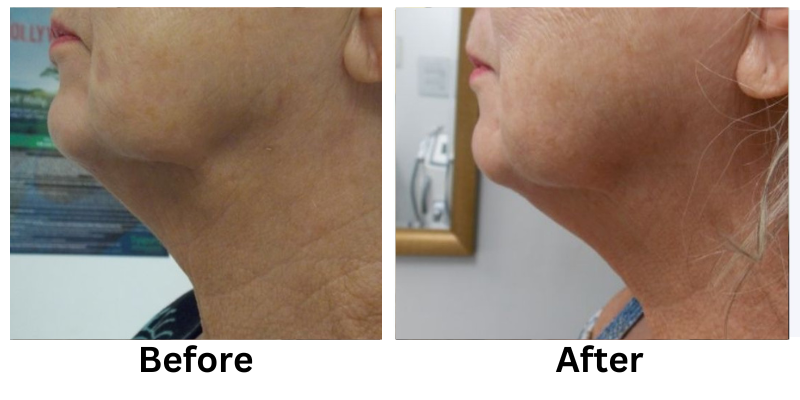
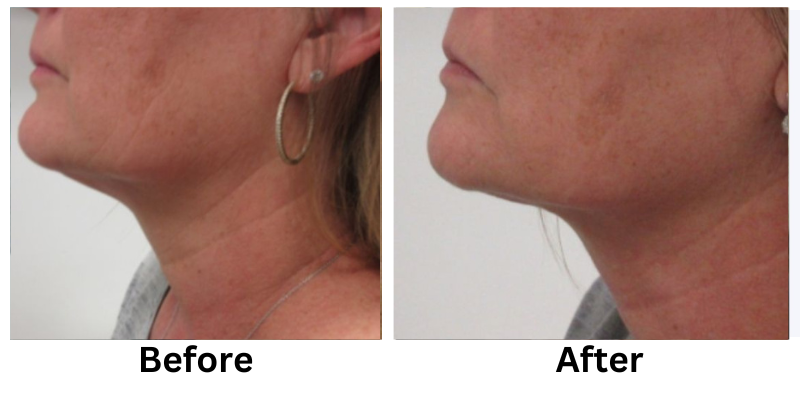
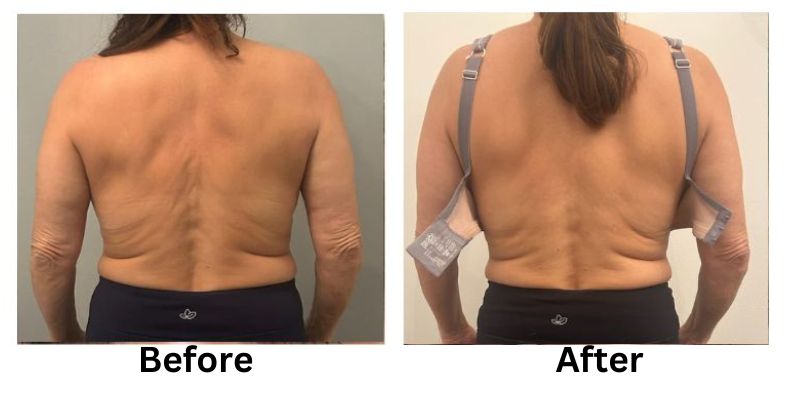
Yes, you can tighten loose skin after weight loss, particularly with treatments that stimulate collagen and elastin production. Skin tightening treatments use radiofrequency or other energy-based technologies to remodel the deeper layers of the skin, improving firmness and tone after significant fat loss or body composition changes.
What Are the 4 Happy Hormones and Their Role in Weight?
The 4 happy hormones are serotonin, dopamine, oxytocin, and endorphins. While these are primarily known for mood, they all intersect with weight and fat storage in important ways. Low serotonin, which is directly influenced by estrogen, drives carbohydrate cravings and emotional eating. Low dopamine can increase reward-seeking behavior around food, particularly high-sugar and high-fat foods. Oxytocin has been found in research to reduce appetite and has anti-obesity effects at the metabolic level. Endorphins, released through exercise, help lower cortisol, which directly reduces the drive to store belly fat.
Hormonal balance supports all four of these systems. When estrogen, progesterone, and testosterone are at healthy levels, the foundation is set for stable mood, consistent energy, and a body that responds normally to hunger and fullness cues. When those sex hormones decline or become imbalanced, mood, sleep, cravings, and fat storage all shift in the wrong direction together.
Frequently Asked Questions
What Are the Signs You Need Hormone Replacement Therapy?
The signs you need hormone replacement therapy are persistent fatigue, unexplained belly fat gain, hot flashes, night sweats, poor sleep, low libido, mood changes, and brain fog that do not improve with lifestyle changes alone. When multiple symptoms appear together, they often point to a measurable hormone deficiency in estrogen, progesterone, or testosterone. The most reliable way to confirm this is through a hormone evaluation with a qualified provider. Many people in Lee’s Summit wait longer than necessary before seeking help, when hormone balancing could have addressed the root cause much earlier. You can read more about signs you may need hormone therapy and what to expect from the process.
What Is the Difference Between HRT and BHRT?
The difference between HRT and BHRT is that HRT uses synthetic or traditional hormone formulations, while BHRT (bioidentical hormone replacement therapy) uses hormones that are chemically identical in structure to the hormones your body naturally produces. Both can be used to restore declining hormone levels, but BHRT is often preferred by those who want hormones that closely mirror the body’s own. Research and clinical practice both support the use of bioidentical hormones for symptom relief, body composition improvement, and metabolic support during perimenopause, menopause, and andropause.
Can Hormone Therapy Help You Lose Weight?
Yes, hormone therapy can help you lose weight, particularly by reducing visceral belly fat, improving insulin sensitivity, and restoring the metabolic conditions needed for the body to burn fat efficiently. A study published in Maturitas found that women on HRT lost an average of 2.1 kg of fat over three months while also improving cholesterol. However, HRT works best as part of a broader program that includes nutrition and activity support rather than as a standalone weight-loss treatment. Think of it as restoring the hormonal foundation that makes your other healthy habits actually work.
How Long Does It Take for HRT to Start Working?
HRT typically starts showing effects within 4 to 8 weeks for symptoms like hot flashes, sleep, and mood, and takes 3 to 6 months to produce measurable changes in fat distribution and body composition. The timeline varies depending on the type of therapy, the delivery method, the dose, and how far hormone levels had fallen before treatment began. Most people notice symptom improvement well before they see body composition changes, which is why consistency and patience in the first few months are important.
What Are the Benefits of Peptide Therapy for Fat and Hormones?
The benefits of peptide therapy for fat and hormones include supporting natural growth hormone release, improving fat metabolism, increasing lean muscle mass, and enhancing the body’s ability to mobilize stored fat. Certain peptides act as secretagogues, meaning they signal the body to produce more of its own growth hormone rather than introducing it directly. This can improve body composition, support fat loss particularly in the belly and trunk, and complement other hormone optimization strategies. Peptide therapy is increasingly used alongside hormone balancing for patients who want comprehensive metabolic support.
What Are the Advantages of Medical Weight Loss Programs for Hormonal Fat?
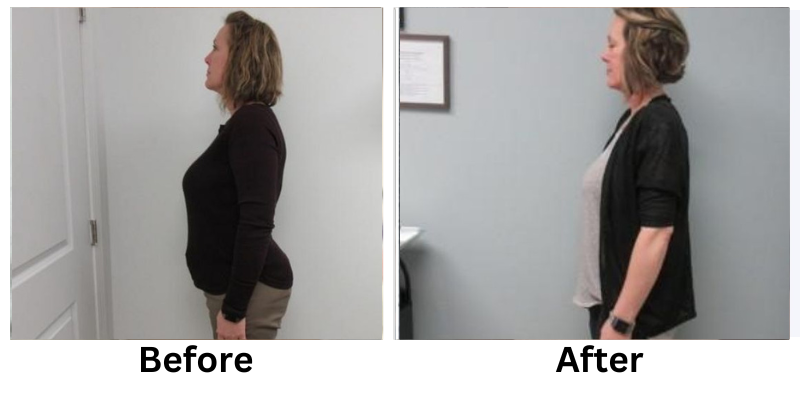
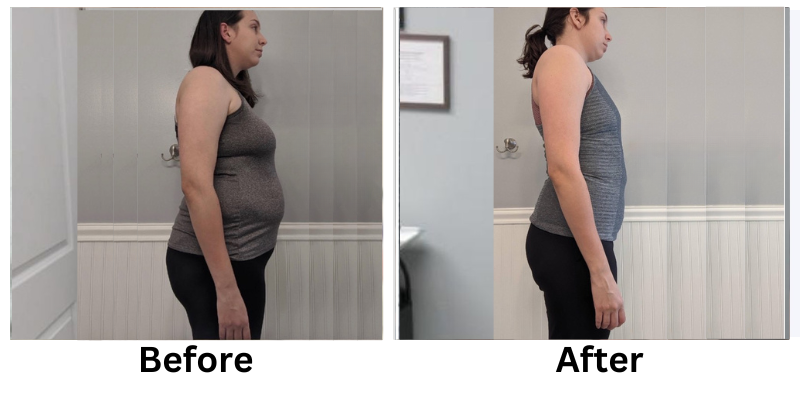
The advantages of medical weight loss programs for hormonal fat are that they address the biological root causes of weight gain rather than focusing only on calorie restriction. A medically supervised program can evaluate hormone levels, identify insulin resistance, support metabolic function with targeted therapies, and combine GLP-1 or other weight-loss support with hormonal balancing for a comprehensive approach. This matters because standard diets and exercise often fail for people with hormonal fat redistribution because the underlying hormonal drivers are still active.
Does Ultrasonic Cavitation Work for Hormonally Stubborn Fat?
Yes, ultrasonic cavitation can work for hormonally stubborn fat by disrupting fat cell membranes and helping the body clear localized deposits that diet and exercise have not reached. It is most effective as part of a broader body sculpting approach, particularly when combined with hormonal support that addresses the underlying reason fat is accumulating in those areas. For areas like the belly and flanks that are directly influenced by cortisol and estrogen shifts, pairing non-surgical fat reduction with hormonal optimization produces better and longer-lasting results.
The Bottom Line
Hormonal shifts are one of the most powerful forces shaping where and how your body stores fat. Estrogen, testosterone, cortisol, insulin, leptin, and ghrelin each play a distinct role, and when any one of them shifts significantly due to aging, stress, poor sleep, or life stage transitions, your body composition can change in ways that no amount of willpower alone will fix. The research is clear: visceral belly fat in particular is driven by hormonal changes, especially the estrogen decline of menopause and the cortisol excess of chronic stress.
The good news is that these hormonal drivers are addressable. Restoring hormone levels, managing insulin and cortisol through lifestyle, and using targeted treatments where needed can all shift fat storage patterns back in the right direction. If you have been struggling with unexplained belly fat, fatigue, mood changes, or body composition shifts that are not responding to your usual efforts, it may be time to look at the hormonal picture. Slimming Solutions Med Spa is here to help you understand what is happening in your body and create a plan built around your hormonal health, not just the scale.


![[thumb]](https://slimmingsolutionsspa.com/wp-content/uploads/2023/12/botox1-150x150.png)
![[thumb]](https://slimmingsolutionsspa.com/wp-content/uploads/2023/12/Before2-150x150.png)
![[thumb]](https://slimmingsolutionsspa.com/wp-content/uploads/2023/12/Before3-150x150.png)



![[thumb]](https://slimmingsolutionsspa.com/wp-content/uploads/2023/12/revanesse-versa-1-150x150.png)
![[thumb]](https://slimmingsolutionsspa.com/wp-content/uploads/2023/12/revanesse-versa-2-150x150.png)
![[thumb]](https://slimmingsolutionsspa.com/wp-content/uploads/2023/12/revanesse-versa-3-150x150.png)
![[thumb]](https://slimmingsolutionsspa.com/wp-content/uploads/2023/12/revanesse-versa-4-150x150.png)
![[thumb]](https://slimmingsolutionsspa.com/wp-content/uploads/2023/12/revanesse-versa-5-150x150.png)
![[thumb]](https://slimmingsolutionsspa.com/wp-content/uploads/2024/01/Eyebrow-treatment-1-1-150x150.png)


![[thumb]](https://slimmingsolutionsspa.com/wp-content/uploads/2023/12/Skin-Rejuvenation-1-150x150.png)
![[thumb]](https://slimmingsolutionsspa.com/wp-content/uploads/2023/12/Skin-Rejuvenation-2-150x150.png)


![[thumb]](https://slimmingsolutionsspa.com/wp-content/uploads/2024/01/Lip-Filler-1-150x150.png)
![[thumb]](https://slimmingsolutionsspa.com/wp-content/uploads/2024/01/Lip-Filler-2-150x150.png)
![[thumb]](https://slimmingsolutionsspa.com/wp-content/uploads/2025/02/Lip-Filler-1-150x150.png)
![[thumb]](https://slimmingsolutionsspa.com/wp-content/uploads/2024/01/Lip-Filler-150x150.jpg)
![[thumb]](https://slimmingsolutionsspa.com/wp-content/uploads/2024/01/Before-1-150x150.jpg)

![[thumb]](https://slimmingsolutionsspa.com/wp-content/uploads/2024/01/RHA-Treatmetn-3-150x150.png)
![[thumb]](https://slimmingsolutionsspa.com/wp-content/uploads/2024/01/RHA-Treatmetn-2-150x150.png)
![[thumb]](https://slimmingsolutionsspa.com/wp-content/uploads/2024/01/RHA-Treatmetn-1-150x150.png)
![[thumb]](https://slimmingsolutionsspa.com/wp-content/uploads/2024/01/Thread-Lifts-1-150x150.png)
![[thumb]](https://slimmingsolutionsspa.com/wp-content/uploads/2024/01/Thread-Lifts-2-150x150.png)
![[thumb]](https://slimmingsolutionsspa.com/wp-content/uploads/2025/02/Lip-Filler-2-150x150.png)

![[thumb]](https://slimmingsolutionsspa.com/wp-content/uploads/2023/12/skin-reuvulation1-150x150.png)
![[thumb]](https://slimmingsolutionsspa.com/wp-content/uploads/2023/12/skin-rejuvulation-2-150x150.png)
![[thumb]](https://slimmingsolutionsspa.com/wp-content/uploads/2023/12/Skin-Tighting-150x150.png)
![[thumb]](https://slimmingsolutionsspa.com/wp-content/uploads/2023/12/Before-150x150.jpg)
![[thumb]](https://slimmingsolutionsspa.com/wp-content/uploads/2023/12/weightloss-1-150x150.png)
![[thumb]](https://slimmingsolutionsspa.com/wp-content/uploads/2023/12/weightloss-2-150x150.png)
![[thumb]](https://slimmingsolutionsspa.com/wp-content/uploads/2023/12/2Weight-Loss-2-150x150.png)
![[thumb]](https://slimmingsolutionsspa.com/wp-content/uploads/2025/02/Weight-Loss-1-new-150x150.png)
![[thumb]](https://slimmingsolutionsspa.com/wp-content/uploads/2023/12/Weight-Loss-3-150x150.png)
![[thumb]](https://slimmingsolutionsspa.com/wp-content/uploads/2025/03/Slimming-Solutions-BA-Template-150x150.png)


![[thumb]](https://slimmingsolutionsspa.com/wp-content/uploads/2023/12/dat3-150x150.png)
![[thumb]](https://slimmingsolutionsspa.com/wp-content/uploads/2023/12/dat-0-150x150.png)
![[thumb]](https://slimmingsolutionsspa.com/wp-content/uploads/2023/12/dat-1-150x150.png)
![[thumb]](https://slimmingsolutionsspa.com/wp-content/uploads/2023/12/Before-1-150x150.png)

![[thumb]](https://slimmingsolutionsspa.com/wp-content/uploads/2024/01/EMS-Treatment-2-150x150.png)
![[thumb]](https://slimmingsolutionsspa.com/wp-content/uploads/2024/01/EMS-Treatment-1-150x150.png)
![[thumb]](https://slimmingsolutionsspa.com/wp-content/uploads/2025/02/ems-BNA-front-150x150.png)
![[thumb]](https://slimmingsolutionsspa.com/wp-content/uploads/2025/02/EMS-bna-SIDE-150x150.png)
![[thumb]](https://slimmingsolutionsspa.com/wp-content/uploads/2024/01/EMS-Treatment-6-150x150.png)